

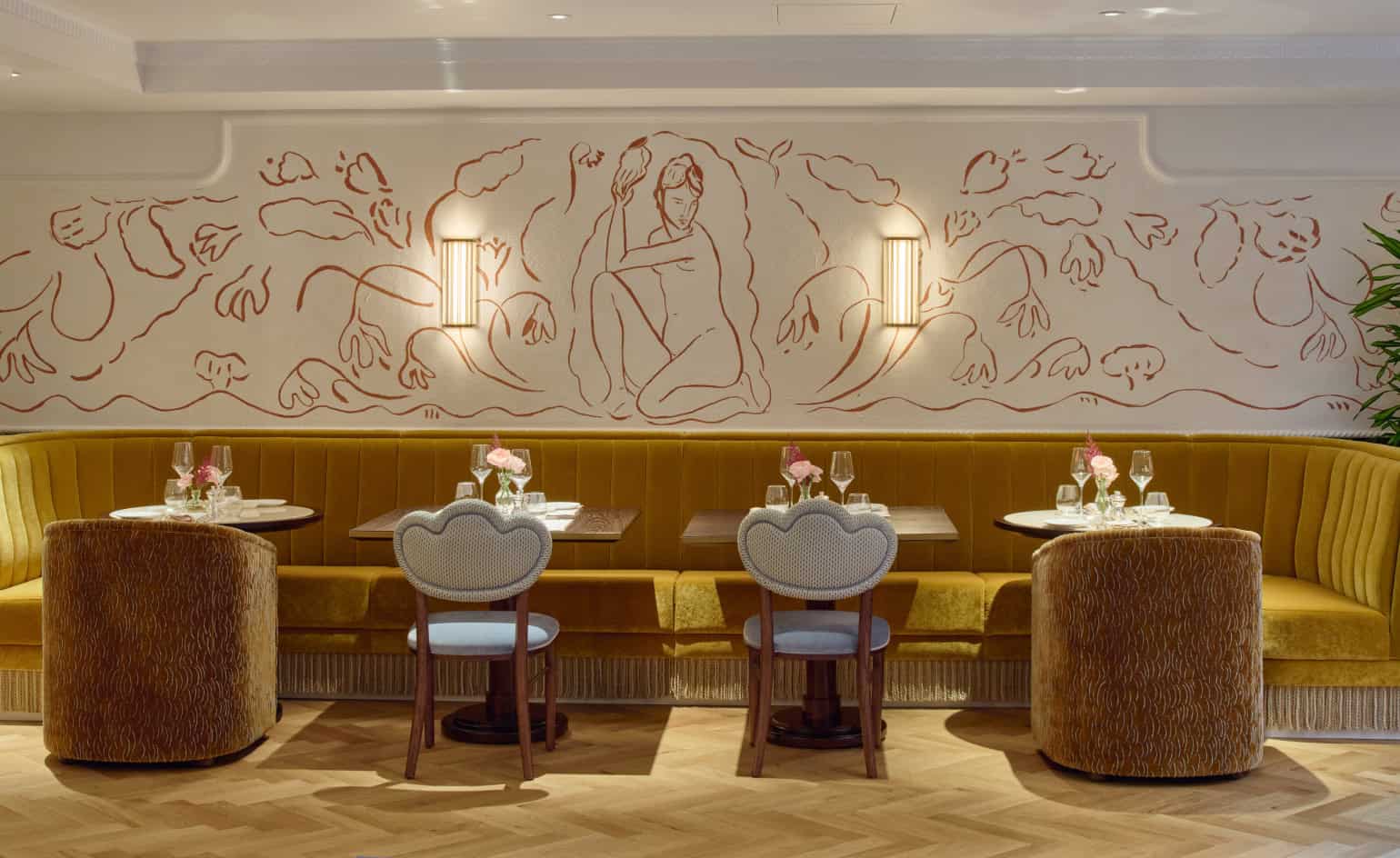
The waiting list is real — or presented as real, which amounts to the same effect. The founding members are names you recognise. The premises are beautiful. The promise is explicit: this is the room where the right people gather, and you are now among them.
Three months after joining, you are having lunch there for the second time.
The club’s value proposition has a structural problem that nobody in the industry wants to discuss.
What Clubs Actually Sell
A private members’ club sells two things.
The first is the physical premises — a restaurant, a bar, a gym, a meeting room, an event space. These are, in the majority of London and Dubai’s current club landscape, either good or excellent. The food is frequently worth the visit. The design is almost always considered.
The second is the network — the implied promise that the membership is curated and that the other members constitute a meaningful community of people worth knowing.
It is the second promise where the architecture fails.
The Network Problem
A club that is genuinely selective acquires, over time, a membership that is too busy to use it.
The most successful people in a city — the ones whose presence in a room creates the network value the club promises — are, almost by definition, the ones least likely to spend Tuesday evenings in a members’ bar. Their time is the scarcest resource in their lives. The club is not competitive with the other demands on it.
What fills the club on a Tuesday evening is the aspiring tier — the people who joined because of who they might meet. The founders who are becoming successful, not the ones who already are. The professionals building their networks, not the principals who have already built theirs.
This is not a criticism of those people. It is a description of the actual composition of a members’ club on a regular evening, versus the composition implied by the membership brochure.
What the Ultra-Wealthy Have Noticed
The principals Hype Luxury serves have, in the majority, stopped collecting club memberships.
They maintain one or two for specific, functional reasons — a club with genuinely good wine access, a specific location convenient for a recurring meeting, a swimming pool that is uncrowded and private. These are infrastructure decisions, not network ones.
The networking itself happens through the relationships they have already built. The dinners that are not at a club. The conversations that happen on a yacht or in an aircraft or at a private event in a residence.
These environments are not neutral. They are chosen. By people who have full control over who is in the room.
The Club That Earns Its Fee
There are clubs that work. They share consistent characteristics: small membership. Long waiting lists that mean something. Events with genuine intellectual or cultural programming rather than social calendar filler. Founders who built the club because they wanted to create something specific, not because they identified a market opportunity.
These clubs exist. They are not the majority.
The Honest Question
Before renewing the membership this year, ask one question.
When did you last leave the club having had a conversation that changed something?
If the answer requires thought, the answer is the answer.
The right room does not require a membership. It requires an invitation.