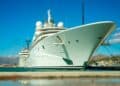

The conventional assumption is that the superyacht market contracts when the broader economy does. Fewer buyers. Tighter credit. Principals reassessing discretionary exposure as portfolios take pressure.
The data, across multiple cycles, tells a more nuanced story.
The new build market — vessels being commissioned from scratch at eight-figure price points — does slow during economic stress. Lead times compress, order cancellations increase, and shipyards that expanded during the boom years face difficult recalibrations.
The charter market, however, has historically behaved differently. During periods of economic uncertainty, a cohort of ultra-high-net-worth principals who would ordinarily purchase a vessel instead charter — preserving capital flexibility while maintaining access to the experience. Charter demand at the top end of the market has proven, across two significant downturns, to be more resilient than the new build data suggests.
The second dynamic is less discussed: distressed asset opportunities. Principals who over-leveraged their vessel acquisitions during boom periods become motivated sellers when carrying costs meet tighter financial conditions. The buyers who move with conviction during these windows — and who have the advisory relationships to identify the right vessels before they reach the open market — have historically acquired exceptional assets at prices that reflected the seller’s circumstances more than the asset’s value.
The superyacht market is not recession-proof. But it is, for the prepared and liquid principal, often more interesting when the cycle turns than when it is running at full confidence.
Curated by: Hype Luxury