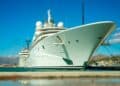

In 2005, Shawn Carter spent $9 million on a Bombardier Challenger 850. The press called it rap excess. They were wrong. It was the most efficient business decision he made that decade.
By then, Jay-Z was not primarily a musician. He was a holding company with a public profile. Roc-A-Fella Records. Rocawear. The 40/40 Club. D’Ussé was coming. Armand de Brignac was coming. A man managing that portfolio commercially — not ceremonially — cannot afford to spend four hours in a Delta terminal in Atlanta waiting for a connection that serves someone else’s schedule.
The aircraft was infrastructure. The same way a factory is infrastructure.
What the celebrity conversation around private jets almost always gets wrong is the framing. It positions the jet as reward — the thing you buy when you have made enough money to stop caring what it costs. The principals who actually build lasting wealth treat it as a tool with a calculable return. Hours reclaimed multiplied by the hourly value of the person reclaiming them.
Jay-Z’s current fleet — which includes a Bombardier Global Express — is not a status symbol any more than his publishing rights catalogue is a status symbol. Both are assets that generate returns. One generates them in royalties. The other generates them in compounded, undistracted time.
The lesson is not about jets. It is about understanding what your time is actually worth — and building infrastructure around the honest answer.
Curated by: Hype Luxury