

Rent Luxury Cars, Jets and Yacht
Hype Luxury Blog
No Result
View All Result
  • Blog
  • News & Press
  • Videos
  • Write For Us
  • Login
  • Blog
  • News & Press
  • Videos
  • Write For Us
  • Login
Hype Luxury Blog
No Result
View All Result
Hype Luxury Blog
No Result
View All Result

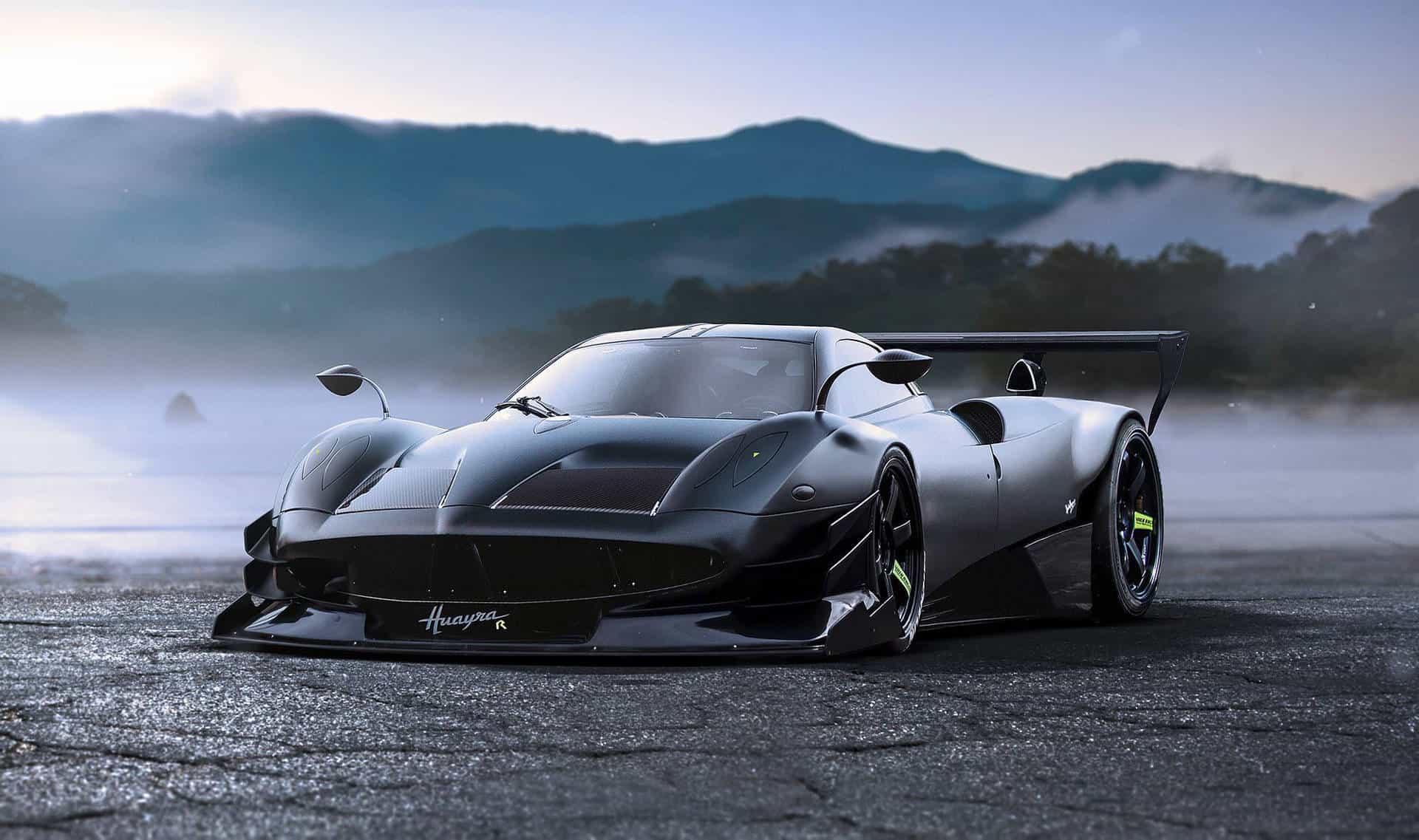
The Pagani Huayra Costs £2.5 Million. There Are 100 in Existence. And the Waiting List Is Irrelevant Because You Cannot Get On It.

The Pagani Huayra Costs £2.5 Million. There Are 100 in Existence. And the Waiting List Is Irrelevant Because You Cannot Get On It.
Previous Post

The Honest Reason Billionaires Are Grateful a Brand Like Hype Luxury Exists

Next Post

The Private Jet Card That Looked Like a Deal — And the 47 Pages of Terms That Explained Why It Was Not

There is a version of the ultra-luxury car market that is publicly visible. The Bugatti Chiron. The Lamborghini Sián. The Ferrari SF90 Stradale. These are extraordinary vehicles, produced in numbers that are limited relative to demand and priced accordingly.

And then there is the tier above it. The one where the vehicles are not scarce in the sense of being difficult to obtain. They are scarce in the sense of not being obtainable at all for buyers who do not already have the relationship.

Pagani produces approximately 40 vehicles per year across its model range. The Huayra Roadster BC — its most extreme open-top variant — was limited to 40 units globally. The Zonda HP Barchetta, the most recent halo model, was limited to three. Three vehicles. For a global market of ultra-high-net-worth collectors whose demand for the object vastly exceeds three.

The Koenigsegg Jesko Absolut — theoretically the fastest production car ever built — was limited to 125 units. The order list was filled before the vehicle was publicly announced.

These are not waiting lists. They are closed lists. The buyer who approaches Pagani or Koenigsegg without an established relationship and without a history of previous purchases within the marque is not being placed on a waiting list. They are being declined with considerable politeness.

How the allocation actually works

The marques at this level — Pagani, Koenigsegg, Bugatti at its most exclusive, and a small number of limited-run Ferrari and McLaren programmes — allocate vehicles to buyers based on relationship history and collector credibility rather than financial qualification alone.

The financial qualification is assumed. The buyer who can write a cheque for £2.5 million is not unusual in the pool of people pursuing these vehicles. What is unusual — and what creates the allocation priority — is the buyer who has a documented history of purchasing previous models, maintaining them correctly, not immediately flipping them into the secondary market, and representing the marque in the way that the founding families who still run most of these companies consider appropriate.

Horacio Pagani reviews significant allocations personally. Christian von Koenigsegg knows the serious buyers in his customer base by name. These are not corporate allocation processes. They are personal decisions made by people who care, with genuine intensity, about who owns the objects they have spent their lives creating.

What this means for the serious collector

The entry point to this tier of the market is not a purchase. It is a relationship. And the relationship begins with the more accessible vehicles within a marque’s range — the vehicles that are difficult but not impossible to obtain — held with the patience and the care that signals to the marque that this is a buyer worth investing in.

The collector who buys a Pagani Huayra, maintains it correctly, uses it at appropriate events, and engages with the Pagani community with genuine enthusiasm rather than financial calculation has, over several years, built the kind of standing that results in a call when the next allocation list is being assembled.

That call is the product of years of relationship building. It cannot be purchased directly. It cannot be obtained through a broker who claims to have the relationship when they do not.

It is earned. Slowly. Through the kind of genuine engagement with these extraordinary objects that the people who build them can distinguish, immediately and accurately, from the financial interest that surrounds them.

The car costs £2.5 million.

The access costs considerably more, in time and intention, than that.

Curated by: Hype Luxury

Tags: #BillionaireLifestyle#CarCollecting#ExoticCars#HyperCar#Koenigsegg#LuxuryCars#LuxuryMobility#Pagani#UltraHNWIhypeluxury
Why Luxury Mobility Is a Strategic Tool, Not a Simple Toy

Why Luxury Mobility Is a Strategic Tool, Not a Simple Toy

February 28, 2026

The Ultra-Luxury Mobility Industry Has Been Waiting for a Brand That Treats Its Clients as Intelligent Adults. Here Is Why That Has Been So Rare.

February 28, 2026

Why the Most Important Number in Superyacht Ownership Is Not the Purchase Price

February 28, 2026
The Private Jet Card That Looked Like a Deal — And the 47 Pages of Terms That Explained Why It Was Not

The Private Jet Card That Looked Like a Deal — And the 47 Pages of Terms That Explained Why It Was Not

February 28, 2026
The Pagani Huayra Costs £2.5 Million. There Are 100 in Existence. And the Waiting List Is Irrelevant Because You Cannot Get On It.

The Pagani Huayra Costs £2.5 Million. There Are 100 in Existence. And the Waiting List Is Irrelevant Because You Cannot Get On It.

February 28, 2026
The Pagani Huayra Costs £2.5 Million. There Are 100 in Existence. And the Waiting List Is Irrelevant Because You Cannot Get On It.
Previous Post

The Honest Reason Billionaires Are Grateful a Brand Like Hype Luxury Exists

Next Post

The Private Jet Card That Looked Like a Deal — And the 47 Pages of Terms That Explained Why It Was Not

There is a version of the ultra-luxury car market that is publicly visible. The Bugatti Chiron. The Lamborghini Sián. The Ferrari SF90 Stradale. These are extraordinary vehicles, produced in numbers that are limited relative to demand and priced accordingly.

And then there is the tier above it. The one where the vehicles are not scarce in the sense of being difficult to obtain. They are scarce in the sense of not being obtainable at all for buyers who do not already have the relationship.

Pagani produces approximately 40 vehicles per year across its model range. The Huayra Roadster BC — its most extreme open-top variant — was limited to 40 units globally. The Zonda HP Barchetta, the most recent halo model, was limited to three. Three vehicles. For a global market of ultra-high-net-worth collectors whose demand for the object vastly exceeds three.

The Koenigsegg Jesko Absolut — theoretically the fastest production car ever built — was limited to 125 units. The order list was filled before the vehicle was publicly announced.

These are not waiting lists. They are closed lists. The buyer who approaches Pagani or Koenigsegg without an established relationship and without a history of previous purchases within the marque is not being placed on a waiting list. They are being declined with considerable politeness.

How the allocation actually works

The marques at this level — Pagani, Koenigsegg, Bugatti at its most exclusive, and a small number of limited-run Ferrari and McLaren programmes — allocate vehicles to buyers based on relationship history and collector credibility rather than financial qualification alone.

The financial qualification is assumed. The buyer who can write a cheque for £2.5 million is not unusual in the pool of people pursuing these vehicles. What is unusual — and what creates the allocation priority — is the buyer who has a documented history of purchasing previous models, maintaining them correctly, not immediately flipping them into the secondary market, and representing the marque in the way that the founding families who still run most of these companies consider appropriate.

Horacio Pagani reviews significant allocations personally. Christian von Koenigsegg knows the serious buyers in his customer base by name. These are not corporate allocation processes. They are personal decisions made by people who care, with genuine intensity, about who owns the objects they have spent their lives creating.

What this means for the serious collector

The entry point to this tier of the market is not a purchase. It is a relationship. And the relationship begins with the more accessible vehicles within a marque’s range — the vehicles that are difficult but not impossible to obtain — held with the patience and the care that signals to the marque that this is a buyer worth investing in.

The collector who buys a Pagani Huayra, maintains it correctly, uses it at appropriate events, and engages with the Pagani community with genuine enthusiasm rather than financial calculation has, over several years, built the kind of standing that results in a call when the next allocation list is being assembled.

That call is the product of years of relationship building. It cannot be purchased directly. It cannot be obtained through a broker who claims to have the relationship when they do not.

It is earned. Slowly. Through the kind of genuine engagement with these extraordinary objects that the people who build them can distinguish, immediately and accurately, from the financial interest that surrounds them.

The car costs £2.5 million.

The access costs considerably more, in time and intention, than that.

Curated by: Hype Luxury

Tags: #BillionaireLifestyle#CarCollecting#ExoticCars#HyperCar#Koenigsegg#LuxuryCars#LuxuryMobility#Pagani#UltraHNWIhypeluxury
Why Luxury Mobility Is a Strategic Tool, Not a Simple Toy

Why Luxury Mobility Is a Strategic Tool, Not a Simple Toy

February 28, 2026

The Ultra-Luxury Mobility Industry Has Been Waiting for a Brand That Treats Its Clients as Intelligent Adults. Here Is Why That Has Been So Rare.

February 28, 2026

Why the Most Important Number in Superyacht Ownership Is Not the Purchase Price

February 28, 2026
The Private Jet Card That Looked Like a Deal — And the 47 Pages of Terms That Explained Why It Was Not

The Private Jet Card That Looked Like a Deal — And the 47 Pages of Terms That Explained Why It Was Not

February 28, 2026
The Pagani Huayra Costs £2.5 Million. There Are 100 in Existence. And the Waiting List Is Irrelevant Because You Cannot Get On It.

The Pagani Huayra Costs £2.5 Million. There Are 100 in Existence. And the Waiting List Is Irrelevant Because You Cannot Get On It.

February 28, 2026

Hype app logo

Download app

Hype app logo

Sign up to our newsletter to stay updated

johnsmith@example.com

Company

  • About
  • News & Press
  • Blog
  • T & C
  • Privacy

Contact

  • Contact
  • Partnership
  • Help

Social

  • Instagram
  • Youtube
  • LinkedIn
  • Facebook
  • Twitter
No Result
View All Result
  • Home
  • News & Press
  • Videos
  • Write For Us
  • Login
  • RENT LUXURY CARS
  • Login
  • Sign Up