

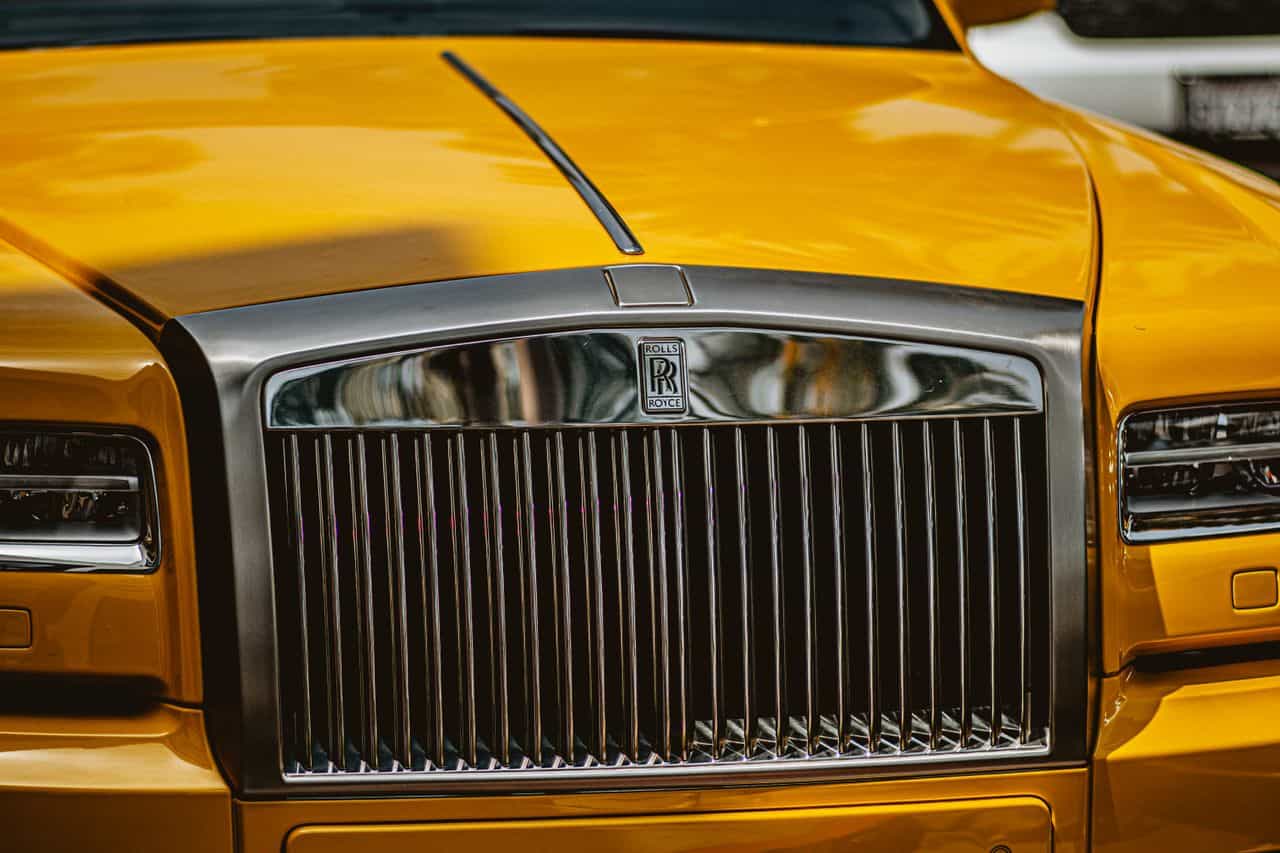
A Rolls-Royce Phantom means different things in different cities. In London, it is old money made visible. In Dubai, it is the expected standard of a serious executive. In Tokyo, it is an almost architectural statement of foreign significance. In Mumbai, it is power, aspiration, and arrival — all simultaneously.
Understanding how luxury automotive culture varies by geography is not a minor consideration. For the globally mobile UHNWI, it is the difference between making the right impression and making an impression you didn’t intend.
Dubai: Display is the Language
In the UAE, luxury vehicles are a primary social currency. The Cullinan, the Phantom, the G63 AMG — these are not unusual sightings. They are baseline statements. What distinguishes a sophisticated client here is not the vehicle itself but the condition, the color specification, and the precision of the arrangement. Arriving in a standard white Rolls-Royce is fine. Arriving in a bespoke-commissioned exterior with a matched interior, delivered flawlessly, is the point.
London: Understatement Over Everything
The British relationship with visible wealth is famously conflicted. In Mayfair, Belgravia, and Knightsbridge, the correct luxury car is a dark-colored, unmodified, spotlessly maintained vehicle with a professional chauffeur who knows precisely when not to speak. Anything garish — large wheels, visible aftermarket modifications, aggressive exhaust — reads poorly regardless of the badge.
Tokyo: Perfection in the Invisible Details
Japan’s relationship with luxury is architectural. A Lexus LS with white-gloved chauffeurs in Tokyo communicates more than most European supercars. The car must be immaculate — not just clean but flawlessly conditioned. Chauffeurs wear white gloves and speak only when addressed. Silence is respect, not awkwardness.
Riyadh and the Gulf: Fleet, Not Vehicle
In Saudi Arabia, the individual vehicle is less important than the fleet behind it. A senior principal arriving for meetings often does so with a convoy — lead vehicle, principal vehicle, security vehicle. Hype’s GCC arrangements reflect this: single bookings are the exception; coordinated multi-vehicle arrangements are standard.
New York: Discretion Above Everything
Manhattan’s traffic, its valet culture, and the scrutiny of its streets means that the finest choice is often a Mercedes-Maybach or a heavily tinted Suburban, not a Phantom. The emphasis is on seamless movement through an unforgiving city, not on arrival theater.
The Global Rules That Never Change
Regardless of city, three rules apply universally: the vehicle should be perfectly clean, the chauffeur should be formally dressed, and the door should be opened before the client reaches for it. These are not standards. They are the baseline.
At Hype Luxury, our ground teams in every city are briefed on local automotive culture — because a global platform must operate with local intelligence.