

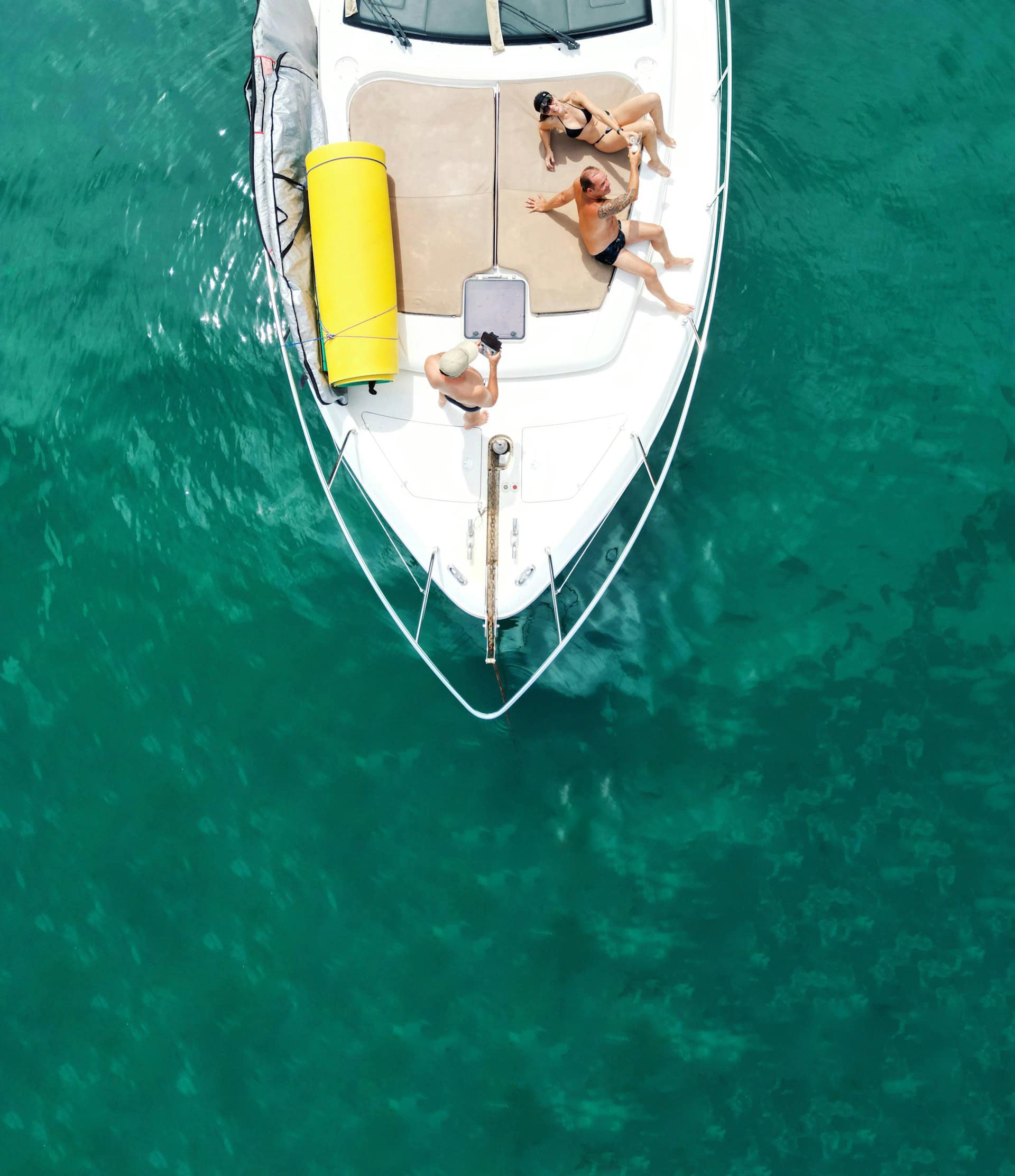
The sea has been generating its own rules of conduct for longer than any luxury brand has existed. Maritime tradition — the language of the water, the hierarchy of the vessel, the unwritten codes between sailors — predates every modern etiquette guide by centuries.
Understanding these traditions is not a nostalgic exercise. It is a practical advantage for anyone who intends to move through the superyacht world with genuine fluency.
The Hierarchy of the Vessel
A superyacht operates under a clear hierarchy: Captain, First Officer, Chief Engineer, Chief Stewardess, and their respective teams below. This hierarchy exists for operational and safety reasons, not for social performance. Guests who understand this — who address the captain as captain, who route requests through the chief stewardess rather than directly to junior crew — communicate immediately that they understand the environment they have entered.
“Ahoy” Is Not Optional — But It’s Not Necessary Either
You are not required to learn nautical terminology. But you are expected not to refer to the boat as “the boat,” the left side as “the left,” or the front as “the front.” Bow, stern, port, starboard — four words that communicate volumes about a guest’s familiarity with maritime culture. Learn them before you board.
Meals on Charter Vessels
Dining aboard a superyacht follows a rhythm established by the chef and the chief stewardess. Meals are typically served at agreed times, with formal notice given to adjust. Appearing at the dining table 40 minutes after the agreed time, or requesting a full alternative menu at 11pm, is a genuine imposition on a crew that has been working since dawn. Flexibility is of course extended — but courtesy about timing costs nothing and builds goodwill that manifests in a thousand small ways throughout the week.
The Guest Who Helps Is Not Welcome
This sounds counterintuitive. On a superyacht, the instinct to “help” — to pick up a dock line, to assist with a tender hoist, to touch the mooring equipment — is well-intentioned and genuinely problematic. The crew are trained for these tasks. Untrained intervention creates safety risk and undermines the professional environment. The correct conduct is to stand clear of active operations, ask if observation is appropriate, and trust the crew’s competence.
Gossip About Other Vessels
The superyacht community in any major anchorage is simultaneously vast and remarkably small. The vessel moored beside you may belong to an individual whose business your captain knows, whose broker is your broker, whose family will be at the same coastal restaurant tomorrow evening. Opinions about other vessels, their conduct, their size, or their guests are best kept private.
At Hype Luxury, we prepare every charter guest with a destination-specific briefing that includes local maritime customs, anchorage etiquette, and crew communication protocols.