

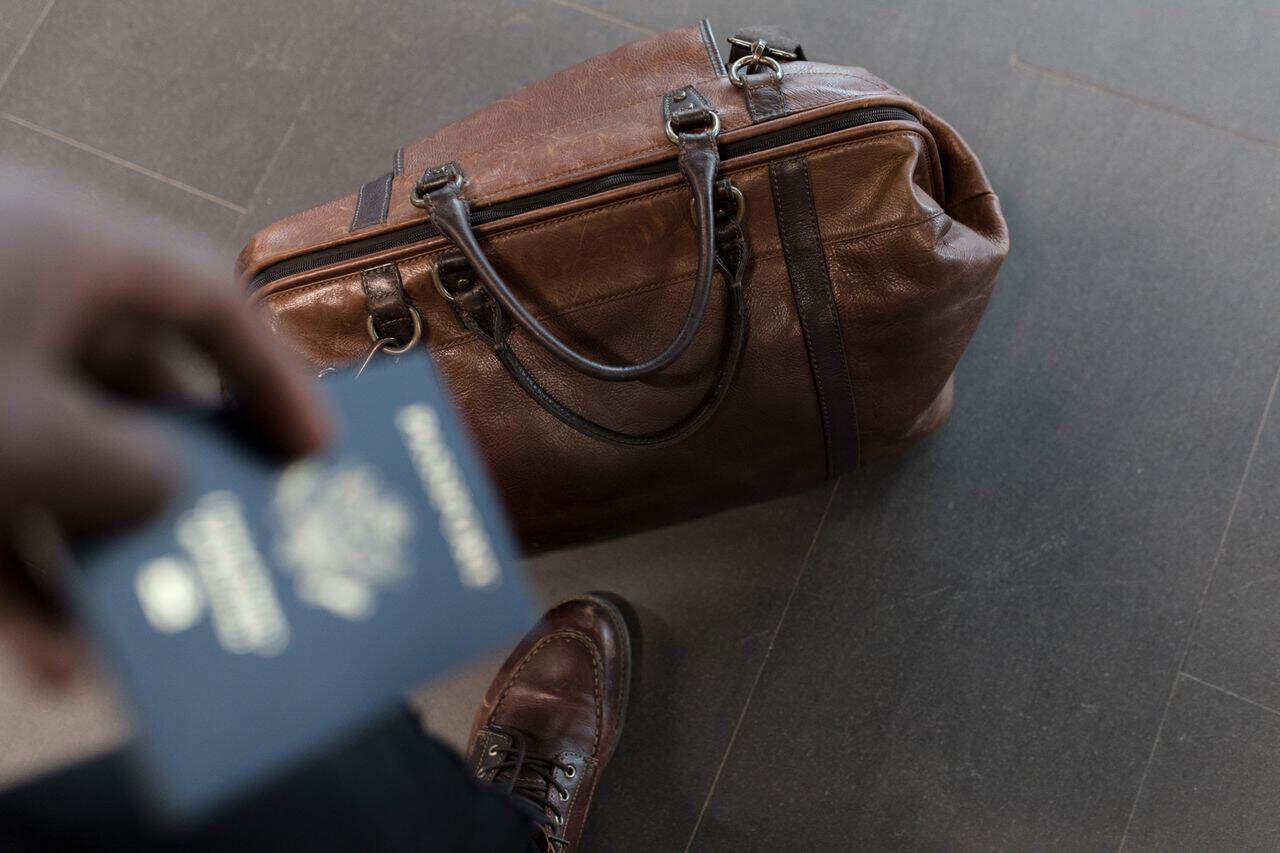
One of the more uncomfortable moments in this business happens at the aircraft, when a party of six arrives at a light jet with more baggage than the aircraft can carry.
It is entirely preventable and it happens regularly, because most people assume private aviation removes baggage constraints. In several respects it tightens them.
Two separate constraints
Volume. Smaller aircraft have modest baggage compartments with awkward geometry. A hold that accepts several soft bags may not accept one large hard case, because the aperture is smaller than the compartment. Dimensions matter more than total capacity.
Weight. This is the binding constraint more often, and it is the one nobody anticipates. Every aircraft has a maximum takeoff weight. Fuel, passengers and baggage all draw on the same allowance, and on longer sectors fuel takes the largest share.
The consequence is counterintuitive: the same aircraft that carries eight passengers with full baggage on a short sector may carry six with limited baggage on a long one. The aircraft has not changed. The fuel load has.
Balance, which is separate again
Load must sit within defined limits fore and aft. A heavy concentration in the rear hold can move the centre of gravity outside limits even when total weight is acceptable.
This is why crews sometimes redistribute bags rather than simply loading them. It is not fussiness. It is a calculation with a legal answer.
What this means practically
On light jets, plan on soft bags and modest quantities. On midsize aircraft the constraint eases considerably. On heavy and ultra-long-range types it largely disappears for normal travel.
Golf clubs, ski equipment, instruments, filming equipment and art all need to be declared at booking rather than mentioned at the aircraft. Some require specific handling or a different aircraft entirely.
The conversation that prevents this
Any competent provider will ask about baggage at booking and will ask about dimensions rather than bag count. If nobody has asked you, ask them.
State the number of passengers, the number of bags, and the dimensions of anything unusual. That is enough for the operator to run the calculation properly, days before departure rather than minutes.
When it goes wrong
The remedies are all poor. Leave baggage behind and have it follow separately. Remove a passenger. Add a fuel stop, which is sometimes possible and costs time. Change aircraft, which is rarely possible on the day.
None of these are conversations anyone wants at 7am. All of them are avoided by a two-minute exchange at the time of booking, which is why we ask.