

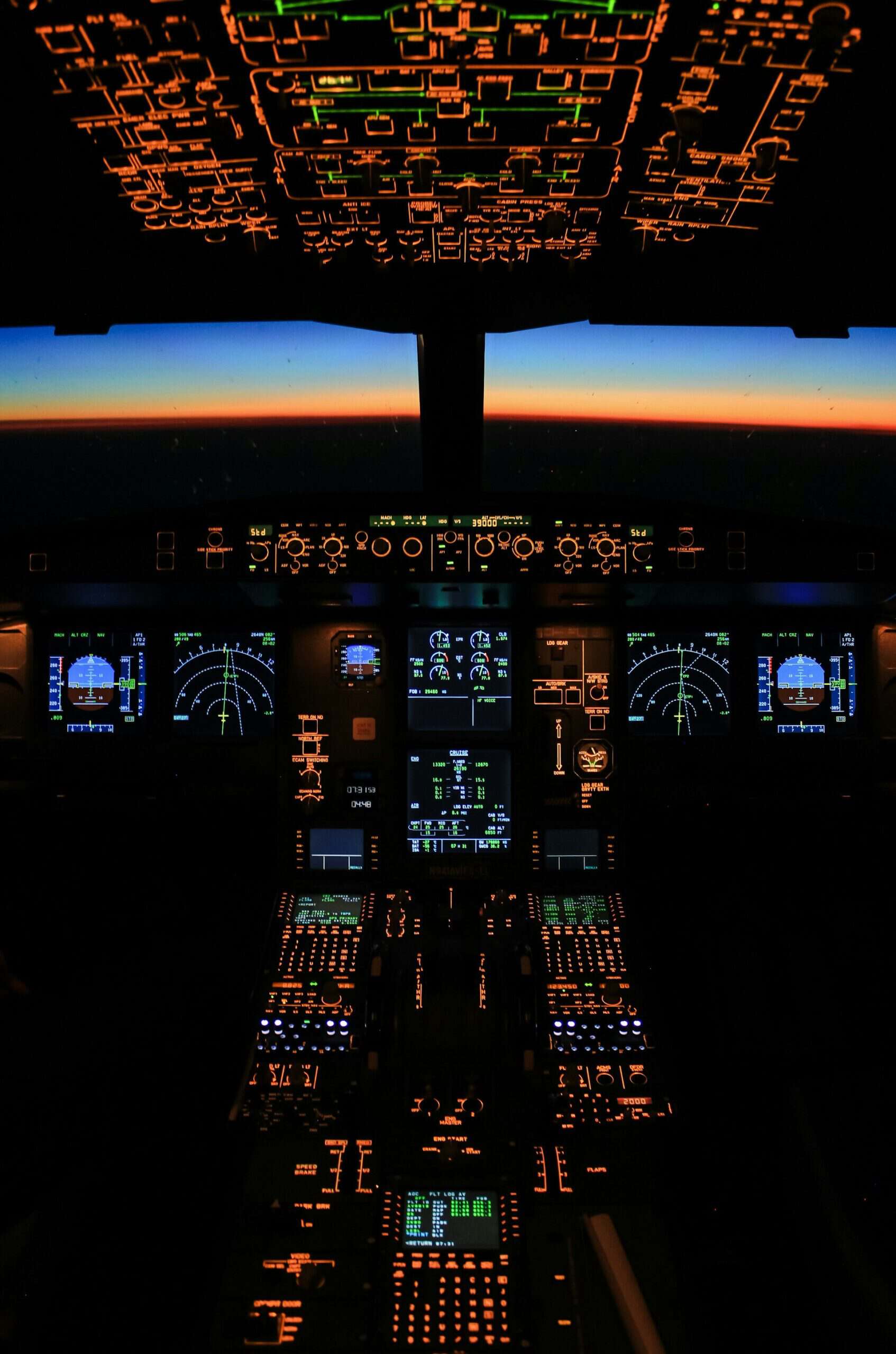
The Gulfstream G700 and Bombardier Global 7500 represent a fundamental shift in private aviation engineering: the cabin and avionics are no longer separate domains. Modern UHNW-targeted platforms consolidate fuel management, environmental control, flight optimization, and passenger biometric data into unified dashboards—accessible to crew, owner, and ground operations simultaneously.
This is not luxury theatre. It is operational infrastructure.
Fractional ownership models and charter programs have historically hidden system data from end-users. The principal never knew the aircraft’s true fuel burn, real-time performance variance, or crew decision drivers. Today’s technology infrastructure inverts this: UHNW operators expect transparent, real-time visibility into every parameter that affects mission economics and safety margins.
The Falcon 10X’s distributed processing architecture exemplifies this shift. Rather than centralized flight control, it uses redundant AI-assisted systems that learn crew preferences, optimize routing based on weather, fuel pricing, and airspace congestion, and flag operational anomalies before they escalate. A chairman landing in Mumbai at 2 a.m. doesn’t want to hear about fuel reserve problems from the crew. They want the system to have solved it three hours earlier.
The computational layer is the real moat in modern private aviation. Firms that treat data as proprietary and withhold analytics from principals are losing the UHNW customer entirely. The principal is not chartering a vessel; they are renting a computational extension of their business operations. When you select a fractional program or charter provider, ask directly: What data visibility do you provide? Can I see real-time fuel burn, crew performance metrics, and routing optimization? If the answer is vague, you’re selecting a legacy operator. The platforms winning UHNW contracts in 2026 are those offering transparent, principal-accessible operational intelligence. Everything else is theater.