

Rent Luxury Cars, Jets and Yacht
Hype Luxury Blog
No Result
View All Result
  • Blog
  • News & Press
  • Videos
  • Write For Us
  • Login
  • Blog
  • News & Press
  • Videos
  • Write For Us
  • Login
Hype Luxury Blog
No Result
View All Result
Hype Luxury Blog
No Result
View All Result

Pressurization Excellence and Cognitive Sovereignty: The Neuroscience Behind Ultra-Cabin-Class Selection

Pressurization Excellence and Cognitive Sovereignty: The Neuroscience Behind Ultra-Cabin-Class Selection
Previous Post

Aircraft Systems Integration: Why UHNW Operators Demand Real-Time Computational Intelligence in Private Aviation

Next Post

SAF Adoption as Strategic Optionality: Why UHNW Portfolio Managers Treat Fuel Infrastructure as Governance

The human brain consumes 20% of the body’s oxygen at rest. Above 25,000 feet, even pressurized aircraft begin to experience degradation in cognitive function if cabin altitude exceeds 8,000 feet. A C-suite executive joining a video call over the Atlantic needs their prefrontal cortex firing at full capacity.

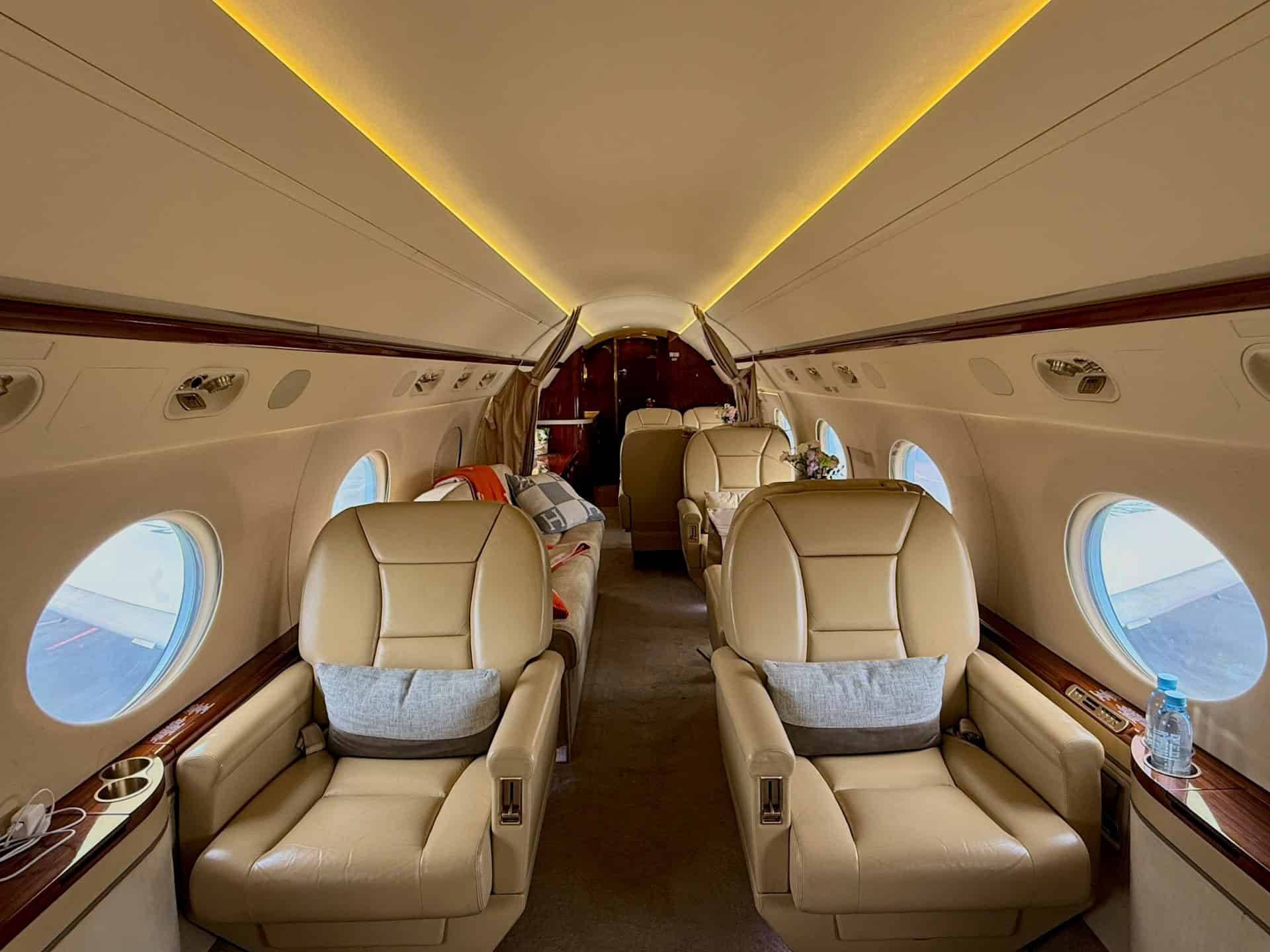
The G700 maintains a maximum cabin altitude of 5,500 feet even at cruising altitude of 51,000 feet. The Global 7500 achieves 4,850 feet. This is not marketing copy—this is neurophysiology. A four-hour flight to London with cabin altitude held below 6,000 feet means the principal arrives mentally sharp. Competitors’ platforms holding 8,000 feet mean the principal arrives fatigued, with measurably slower reaction time and diminished executive function.

UHNW decision-makers are acutely aware of this. When selecting charter providers or fractional programs, they ask: What is the aircraft’s maximum cabin altitude? Not as trivia. As operational intelligence.

Beyond pressurization, contemporary ultra-premium cabins engineer humidity levels (modern systems maintain 30–40%, versus 10–20% on commercial jets). Lower cabin humidity reduces upper respiratory infection risk, preserves skin elasticity, and measurably improves sleep quality. The Dassault Falcon 8X incorporates active humidity control—not amenity, but occupational health infrastructure.

Particulate filtration systems in latest-generation platforms include HEPA 14 standards, eliminating 99.995% of airborne pathogens. In a post-COVID world where a principal’s calendar risks disruption from illness, this is reliability engineering. The principals asking these questions are often traveling with sensitive information, health conditions, or post-operative recovery needs. They need cabins that are engineering-class environments, not luxury theatre. When you’re evaluating aircraft for fractional programs or charter, insist on specific data: maximum cabin altitude, humidity range, filtration standard. If operators can’t answer these precisely, they don’t understand their own aircraft.


Tags: #AerospaceEngineering#CabinTechnology#DassaultFalcon#ExecutiveWellness#GulfstreamAircraft#HealthOptimization#LuxuryMobility#OccupationalHealth#OperationalIntelligence#Pressurization#PrivateAviation#UHNWTravel
Japan’s Hidden UHNW Mobility Ceiling: How Regulatory Conservatism and Cultural Norms Constrain Private Aviation Despite Extraordinary Wealth

Japan’s Hidden UHNW Mobility Ceiling: How Regulatory Conservatism and Cultural Norms Constrain Private Aviation Despite Extraordinary Wealth

September 1, 2026

Singapore’s Aviation Ambition: How Southeast Asia’s Wealth Center Is Engineering Private Aviation Infrastructure to Rival Middle Eastern Hubs

September 1, 2026

Post-Brexit Aviation: How UK Regulatory Autonomy Is Reshaping London as a Global UHNW Aviation Hub

September 1, 2026
American Exceptionalism in Private Aviation: How U.S. Security Standards Embed Operational Costs That UHNW Operators Accept

American Exceptionalism in Private Aviation: How U.S. Security Standards Embed Operational Costs That UHNW Operators Accept

September 1, 2026
Europe’s Regulatory Archipelago: Why UHNW Operators Need Multi-Jurisdictional Strategy to Navigate Continental Aviation

Europe’s Regulatory Archipelago: Why UHNW Operators Need Multi-Jurisdictional Strategy to Navigate Continental Aviation

September 1, 2026
Pressurization Excellence and Cognitive Sovereignty: The Neuroscience Behind Ultra-Cabin-Class Selection
Previous Post

Aircraft Systems Integration: Why UHNW Operators Demand Real-Time Computational Intelligence in Private Aviation

Next Post

SAF Adoption as Strategic Optionality: Why UHNW Portfolio Managers Treat Fuel Infrastructure as Governance

The human brain consumes 20% of the body’s oxygen at rest. Above 25,000 feet, even pressurized aircraft begin to experience degradation in cognitive function if cabin altitude exceeds 8,000 feet. A C-suite executive joining a video call over the Atlantic needs their prefrontal cortex firing at full capacity.

The G700 maintains a maximum cabin altitude of 5,500 feet even at cruising altitude of 51,000 feet. The Global 7500 achieves 4,850 feet. This is not marketing copy—this is neurophysiology. A four-hour flight to London with cabin altitude held below 6,000 feet means the principal arrives mentally sharp. Competitors’ platforms holding 8,000 feet mean the principal arrives fatigued, with measurably slower reaction time and diminished executive function.

UHNW decision-makers are acutely aware of this. When selecting charter providers or fractional programs, they ask: What is the aircraft’s maximum cabin altitude? Not as trivia. As operational intelligence.

Beyond pressurization, contemporary ultra-premium cabins engineer humidity levels (modern systems maintain 30–40%, versus 10–20% on commercial jets). Lower cabin humidity reduces upper respiratory infection risk, preserves skin elasticity, and measurably improves sleep quality. The Dassault Falcon 8X incorporates active humidity control—not amenity, but occupational health infrastructure.

Particulate filtration systems in latest-generation platforms include HEPA 14 standards, eliminating 99.995% of airborne pathogens. In a post-COVID world where a principal’s calendar risks disruption from illness, this is reliability engineering. The principals asking these questions are often traveling with sensitive information, health conditions, or post-operative recovery needs. They need cabins that are engineering-class environments, not luxury theatre. When you’re evaluating aircraft for fractional programs or charter, insist on specific data: maximum cabin altitude, humidity range, filtration standard. If operators can’t answer these precisely, they don’t understand their own aircraft.

Tags: #AerospaceEngineering#CabinTechnology#DassaultFalcon#ExecutiveWellness#GulfstreamAircraft#HealthOptimization#LuxuryMobility#OccupationalHealth#OperationalIntelligence#Pressurization#PrivateAviation#UHNWTravel
Japan’s Hidden UHNW Mobility Ceiling: How Regulatory Conservatism and Cultural Norms Constrain Private Aviation Despite Extraordinary Wealth

Japan’s Hidden UHNW Mobility Ceiling: How Regulatory Conservatism and Cultural Norms Constrain Private Aviation Despite Extraordinary Wealth

September 1, 2026

Singapore’s Aviation Ambition: How Southeast Asia’s Wealth Center Is Engineering Private Aviation Infrastructure to Rival Middle Eastern Hubs

September 1, 2026

Post-Brexit Aviation: How UK Regulatory Autonomy Is Reshaping London as a Global UHNW Aviation Hub

September 1, 2026
American Exceptionalism in Private Aviation: How U.S. Security Standards Embed Operational Costs That UHNW Operators Accept

American Exceptionalism in Private Aviation: How U.S. Security Standards Embed Operational Costs That UHNW Operators Accept

September 1, 2026
Europe’s Regulatory Archipelago: Why UHNW Operators Need Multi-Jurisdictional Strategy to Navigate Continental Aviation

Europe’s Regulatory Archipelago: Why UHNW Operators Need Multi-Jurisdictional Strategy to Navigate Continental Aviation

September 1, 2026


Hype Luxury Logo


Sign up to our newsletter to stay updated

johnsmith@example.com

Company

  • About
  • News & Press
  • Blog
  • T & C
  • Privacy

Contact

  • Contact
  • Partnership
  • Help

Social

  • Instagram
  • Youtube
  • LinkedIn
  • Facebook
  • Twitter
No Result
View All Result
  • Home
  • News & Press
  • Videos
  • Write For Us
  • Login
  • RENT LUXURY CARS
  • Login
  • Sign Up