

Rent Luxury Cars, Jets and Yacht
Hype Luxury Blog
No Result
View All Result
  • Blog
  • News & Press
  • Videos
  • Write For Us
  • Login
  • Blog
  • News & Press
  • Videos
  • Write For Us
  • Login
Hype Luxury Blog
No Result
View All Result
Hype Luxury Blog
No Result
View All Result

Sustainable Aviation Fuel: What UHNW Travellers Need to Know

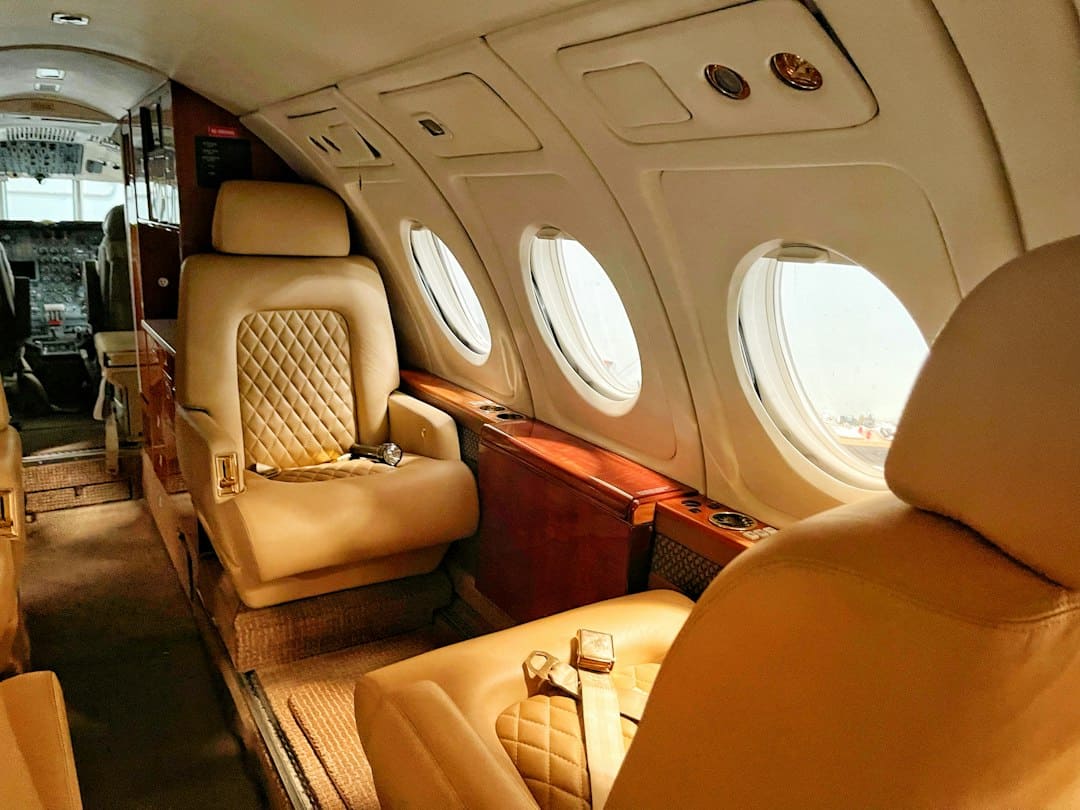
Private jet interior luxury cabin design — Hype Luxury
Previous Post

Jet Card vs Charter vs Fractional Ownership: The UHNW Aviation Decision

Next Post

Aircraft Management Companies: How UHNW Owners Protect Their Asset

The Aviation Emissions Challenge

Private aviation carries a significant carbon footprint relative to commercial travel, and UHNW principals — who may fly hundreds of hours annually — are increasingly scrutinised for their environmental impact. Sustainable aviation fuel (SAF) has emerged as the industry’s primary near-term response: a drop-in replacement for conventional jet fuel that reduces lifecycle carbon emissions by up to 80% depending on feedstock and production method.

What SAF Actually Is

SAF is produced from non-petroleum feedstocks — agricultural waste, municipal solid waste, animal fats, and synthetic pathways using captured CO₂ and green hydrogen. It is chemically compatible with conventional jet fuel and existing aircraft engines, requiring no modifications. Current regulations permit SAF blends of up to 50% with conventional jet-A fuel; higher blends are under development and certification.

Availability and Pricing

SAF availability is expanding but remains uneven. Major aviation hubs in Europe and North America have the broadest access; Asia-Pacific coverage is growing. Pricing typically carries a premium of two to five times conventional jet fuel, reflecting the early-stage production economics of the industry. For most principals, the cost premium on an annual flying programme represents a fraction of total aviation spend — the more meaningful question is whether the operator is procuring and accounting for SAF correctly.

Book and Claim vs Physical SAF

SAF procurement works differently from conventional fuel. Physical SAF is used on a specific flight; book-and-claim SAF allows principals to purchase certificates corresponding to SAF produced and used elsewhere in the aviation system, without requiring it to fuel their specific aircraft. Both approaches have legitimate carbon accounting applications, but they are not equivalent — transparency about which approach is being used matters for credible reporting.

What to Ask Your Operator

Principals should routinely ask charter operators and jet card programmes about their SAF procurement policies, whether they offer SAF uplift options, and how emissions are reported. The best operators provide transparent emissions data per flight — total fuel burn, SAF percentage, and resulting lifecycle carbon figure — rather than generic offsetting claims.

Beyond SAF: The Broader Picture

SAF is one element of a broader sustainability picture that includes fleet efficiency (newer aircraft are significantly more fuel-efficient), routing optimisation, and ground operations. Principals who travel intensively and are genuinely committed to reducing aviation impact should request a comprehensive sustainability audit from their aviation advisors, not simply accept a SAF certificate as evidence of action.

Hype Luxury provides bespoke travel and concierge services for UHNW principals. Enquire at hype.luxury.


Tags: LuxuryPrivateJetCharterUHNWTravelConcierge
Private jet interior luxury cabin design — Hype Luxury

Cabin Altitude and HEPA Filtration: The Health Science of Private Aviation

October 21, 2026
Private jet interior luxury cabin design — Hype Luxury

FBO Selection: Why the Right Ground Handler Defines Your Private Aviation Experience

October 21, 2026
Private jet interior luxury cabin design — Hype Luxury

Aircraft Management Companies: How UHNW Owners Protect Their Asset

October 21, 2026
Private jet interior luxury cabin design — Hype Luxury

Sustainable Aviation Fuel: What UHNW Travellers Need to Know

October 21, 2026
Private jet interior luxury cabin design — Hype Luxury

Jet Card vs Charter vs Fractional Ownership: The UHNW Aviation Decision

October 21, 2026
Private jet interior luxury cabin design — Hype Luxury
Previous Post

Jet Card vs Charter vs Fractional Ownership: The UHNW Aviation Decision

Next Post

Aircraft Management Companies: How UHNW Owners Protect Their Asset

The Aviation Emissions Challenge

Private aviation carries a significant carbon footprint relative to commercial travel, and UHNW principals — who may fly hundreds of hours annually — are increasingly scrutinised for their environmental impact. Sustainable aviation fuel (SAF) has emerged as the industry’s primary near-term response: a drop-in replacement for conventional jet fuel that reduces lifecycle carbon emissions by up to 80% depending on feedstock and production method.

What SAF Actually Is

SAF is produced from non-petroleum feedstocks — agricultural waste, municipal solid waste, animal fats, and synthetic pathways using captured CO₂ and green hydrogen. It is chemically compatible with conventional jet fuel and existing aircraft engines, requiring no modifications. Current regulations permit SAF blends of up to 50% with conventional jet-A fuel; higher blends are under development and certification.

Availability and Pricing

SAF availability is expanding but remains uneven. Major aviation hubs in Europe and North America have the broadest access; Asia-Pacific coverage is growing. Pricing typically carries a premium of two to five times conventional jet fuel, reflecting the early-stage production economics of the industry. For most principals, the cost premium on an annual flying programme represents a fraction of total aviation spend — the more meaningful question is whether the operator is procuring and accounting for SAF correctly.

Book and Claim vs Physical SAF

SAF procurement works differently from conventional fuel. Physical SAF is used on a specific flight; book-and-claim SAF allows principals to purchase certificates corresponding to SAF produced and used elsewhere in the aviation system, without requiring it to fuel their specific aircraft. Both approaches have legitimate carbon accounting applications, but they are not equivalent — transparency about which approach is being used matters for credible reporting.

What to Ask Your Operator

Principals should routinely ask charter operators and jet card programmes about their SAF procurement policies, whether they offer SAF uplift options, and how emissions are reported. The best operators provide transparent emissions data per flight — total fuel burn, SAF percentage, and resulting lifecycle carbon figure — rather than generic offsetting claims.

Beyond SAF: The Broader Picture

SAF is one element of a broader sustainability picture that includes fleet efficiency (newer aircraft are significantly more fuel-efficient), routing optimisation, and ground operations. Principals who travel intensively and are genuinely committed to reducing aviation impact should request a comprehensive sustainability audit from their aviation advisors, not simply accept a SAF certificate as evidence of action.

Hype Luxury provides bespoke travel and concierge services for UHNW principals. Enquire at hype.luxury.

Tags: LuxuryPrivateJetCharterUHNWTravelConcierge
Private jet interior luxury cabin design — Hype Luxury

Cabin Altitude and HEPA Filtration: The Health Science of Private Aviation

October 21, 2026
Private jet interior luxury cabin design — Hype Luxury

FBO Selection: Why the Right Ground Handler Defines Your Private Aviation Experience

October 21, 2026
Private jet interior luxury cabin design — Hype Luxury

Aircraft Management Companies: How UHNW Owners Protect Their Asset

October 21, 2026
Private jet interior luxury cabin design — Hype Luxury

Sustainable Aviation Fuel: What UHNW Travellers Need to Know

October 21, 2026
Private jet interior luxury cabin design — Hype Luxury

Jet Card vs Charter vs Fractional Ownership: The UHNW Aviation Decision

October 21, 2026


Hype Luxury Logo


Sign up to our newsletter to stay updated

johnsmith@example.com

Company

  • About
  • News & Press
  • Blog
  • T & C
  • Privacy

Contact

  • Contact
  • Partnership
  • Help

Social

  • Instagram
  • Youtube
  • LinkedIn
  • Facebook
  • Twitter
No Result
View All Result
  • Home
  • News & Press
  • Videos
  • Write For Us
  • Login
  • RENT LUXURY CARS
  • Login
  • Sign Up