

Rent Luxury Cars, Jets and Yacht
Hype Luxury Blog
No Result
View All Result
  • Blog
  • News & Press
  • Videos
  • Write For Us
  • Login
  • Blog
  • News & Press
  • Videos
  • Write For Us
  • Login
Hype Luxury Blog
No Result
View All Result
Hype Luxury Blog
No Result
View All Result

Cabin Altitude and HEPA Filtration: The Health Science of Private Aviation

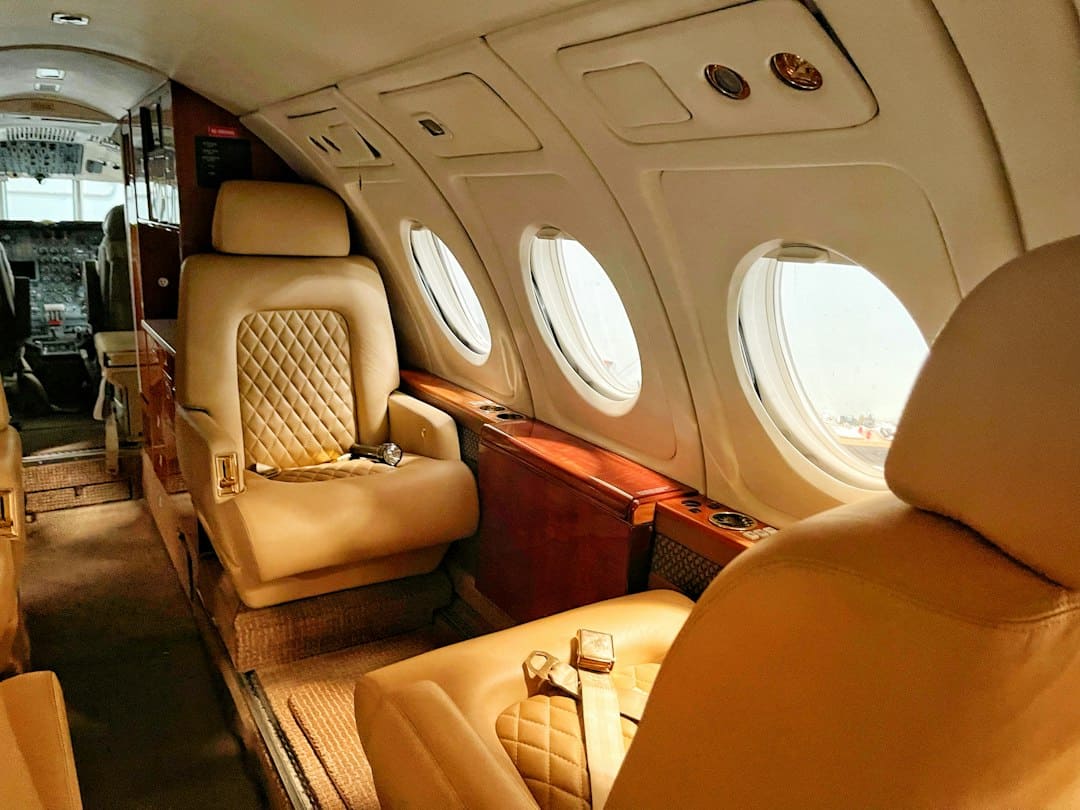
Private jet interior luxury cabin design — Hype Luxury
Previous Post

FBO Selection: Why the Right Ground Handler Defines Your Private Aviation Experience

Why Cabin Environment Matters

Private aviation is valued for its flexibility, privacy, and time efficiency — but the physiological environment inside a jet cabin has a direct impact on how principals feel during and after a flight. Cabin altitude, humidity levels, air circulation rates, and filtration standards vary significantly between aircraft types and age, and for frequent long-haul travellers, these factors accumulate into meaningful health and performance implications.

Cabin Altitude: The Key Variable

Commercial aircraft are pressurised to a cabin altitude of around 8,000 feet — the equivalent of being at altitude in Denver or Mexico City. Most private jets operate at similar cabin altitudes. The exception is newer ultra-long-range jets: the Gulfstream G700, Bombardier Global 7500, and Dassault Falcon 10X are engineered to cabin altitudes of 4,500–6,000 feet at cruise — meaningfully lower, meaning more oxygen-rich air. On a twelve-hour flight, the difference in how a principal arrives is noticeable.

Humidity and Hydration

Pressurised aircraft cabins have extremely low humidity — typically 10–20% at cruise, comparable to desert conditions. This dries the mucous membranes, contributes to fatigue, and affects cognitive performance. Ultra-long-range aircraft increasingly incorporate active humidification systems, which can maintain cabin humidity at more comfortable levels. Supplementary hydration protocols — particularly avoiding alcohol and caffeine and drinking water consistently — remain the simplest intervention regardless of aircraft type.

HEPA Filtration and Air Quality

Most modern jet aircraft use HEPA filtration systems that exchange cabin air every two to three minutes and filter out 99.97% of particulates — a significantly higher standard than commercial aircraft. However, not all private jets have equivalent systems, particularly older or less well-maintained aircraft. For principals with respiratory sensitivities or who travel through regions with high ambient pollution, specifying HEPA filtration in aircraft selection criteria is worthwhile.

Practical Implications for Aircraft Selection

For principals who fly long-haul frequently and for whom arrival condition matters — heads of state calibre schedules, high-stakes meetings immediately after landing — the health performance of the aircraft cabin deserves explicit consideration alongside range, speed, and cabin size. Ultra-long-range aircraft with advanced environmental systems represent a premium that delivers real returns for intensive travellers.

Hype Luxury provides bespoke travel and concierge services for UHNW principals. Enquire at hype.luxury.


Tags: LuxuryPrivateJetCharterUHNWTravelConcierge
Private jet interior luxury cabin design — Hype Luxury

Cabin Altitude and HEPA Filtration: The Health Science of Private Aviation

October 21, 2026
Private jet interior luxury cabin design — Hype Luxury

FBO Selection: Why the Right Ground Handler Defines Your Private Aviation Experience

October 21, 2026
Private jet interior luxury cabin design — Hype Luxury

Aircraft Management Companies: How UHNW Owners Protect Their Asset

October 21, 2026
Private jet interior luxury cabin design — Hype Luxury

Sustainable Aviation Fuel: What UHNW Travellers Need to Know

October 21, 2026
Private jet interior luxury cabin design — Hype Luxury

Jet Card vs Charter vs Fractional Ownership: The UHNW Aviation Decision

October 21, 2026
Private jet interior luxury cabin design — Hype Luxury
Previous Post

FBO Selection: Why the Right Ground Handler Defines Your Private Aviation Experience

Why Cabin Environment Matters

Private aviation is valued for its flexibility, privacy, and time efficiency — but the physiological environment inside a jet cabin has a direct impact on how principals feel during and after a flight. Cabin altitude, humidity levels, air circulation rates, and filtration standards vary significantly between aircraft types and age, and for frequent long-haul travellers, these factors accumulate into meaningful health and performance implications.

Cabin Altitude: The Key Variable

Commercial aircraft are pressurised to a cabin altitude of around 8,000 feet — the equivalent of being at altitude in Denver or Mexico City. Most private jets operate at similar cabin altitudes. The exception is newer ultra-long-range jets: the Gulfstream G700, Bombardier Global 7500, and Dassault Falcon 10X are engineered to cabin altitudes of 4,500–6,000 feet at cruise — meaningfully lower, meaning more oxygen-rich air. On a twelve-hour flight, the difference in how a principal arrives is noticeable.

Humidity and Hydration

Pressurised aircraft cabins have extremely low humidity — typically 10–20% at cruise, comparable to desert conditions. This dries the mucous membranes, contributes to fatigue, and affects cognitive performance. Ultra-long-range aircraft increasingly incorporate active humidification systems, which can maintain cabin humidity at more comfortable levels. Supplementary hydration protocols — particularly avoiding alcohol and caffeine and drinking water consistently — remain the simplest intervention regardless of aircraft type.

HEPA Filtration and Air Quality

Most modern jet aircraft use HEPA filtration systems that exchange cabin air every two to three minutes and filter out 99.97% of particulates — a significantly higher standard than commercial aircraft. However, not all private jets have equivalent systems, particularly older or less well-maintained aircraft. For principals with respiratory sensitivities or who travel through regions with high ambient pollution, specifying HEPA filtration in aircraft selection criteria is worthwhile.

Practical Implications for Aircraft Selection

For principals who fly long-haul frequently and for whom arrival condition matters — heads of state calibre schedules, high-stakes meetings immediately after landing — the health performance of the aircraft cabin deserves explicit consideration alongside range, speed, and cabin size. Ultra-long-range aircraft with advanced environmental systems represent a premium that delivers real returns for intensive travellers.

Hype Luxury provides bespoke travel and concierge services for UHNW principals. Enquire at hype.luxury.

Tags: LuxuryPrivateJetCharterUHNWTravelConcierge
Private jet interior luxury cabin design — Hype Luxury

Cabin Altitude and HEPA Filtration: The Health Science of Private Aviation

October 21, 2026
Private jet interior luxury cabin design — Hype Luxury

FBO Selection: Why the Right Ground Handler Defines Your Private Aviation Experience

October 21, 2026
Private jet interior luxury cabin design — Hype Luxury

Aircraft Management Companies: How UHNW Owners Protect Their Asset

October 21, 2026
Private jet interior luxury cabin design — Hype Luxury

Sustainable Aviation Fuel: What UHNW Travellers Need to Know

October 21, 2026
Private jet interior luxury cabin design — Hype Luxury

Jet Card vs Charter vs Fractional Ownership: The UHNW Aviation Decision

October 21, 2026


Hype Luxury Logo


Sign up to our newsletter to stay updated

johnsmith@example.com

Company

  • About
  • News & Press
  • Blog
  • T & C
  • Privacy

Contact

  • Contact
  • Partnership
  • Help

Social

  • Instagram
  • Youtube
  • LinkedIn
  • Facebook
  • Twitter
No Result
View All Result
  • Home
  • News & Press
  • Videos
  • Write For Us
  • Login
  • RENT LUXURY CARS
  • Login
  • Sign Up