

The Sale That Rewrote the Billionaire Playbook
In the summer of 2022, LVMH quietly sold its Bombardier Global 7500. The aircraft had been followed for months by social media accounts that posted every departure and arrival of the group’s jet, along with estimates of its emissions. In October 2022, Bernard Arnault confirmed the sale on French radio and explained that he now rents planes when he flies privately. His summary was blunt: no one can see where I go.
It was a striking move from the head of the world’s largest luxury group. The Global 7500 is one of the most capable ultra-long-range business jets ever built. LVMH could afford to operate a fleet of them. It chose not to own any.
Ownership Creates a Public Diary
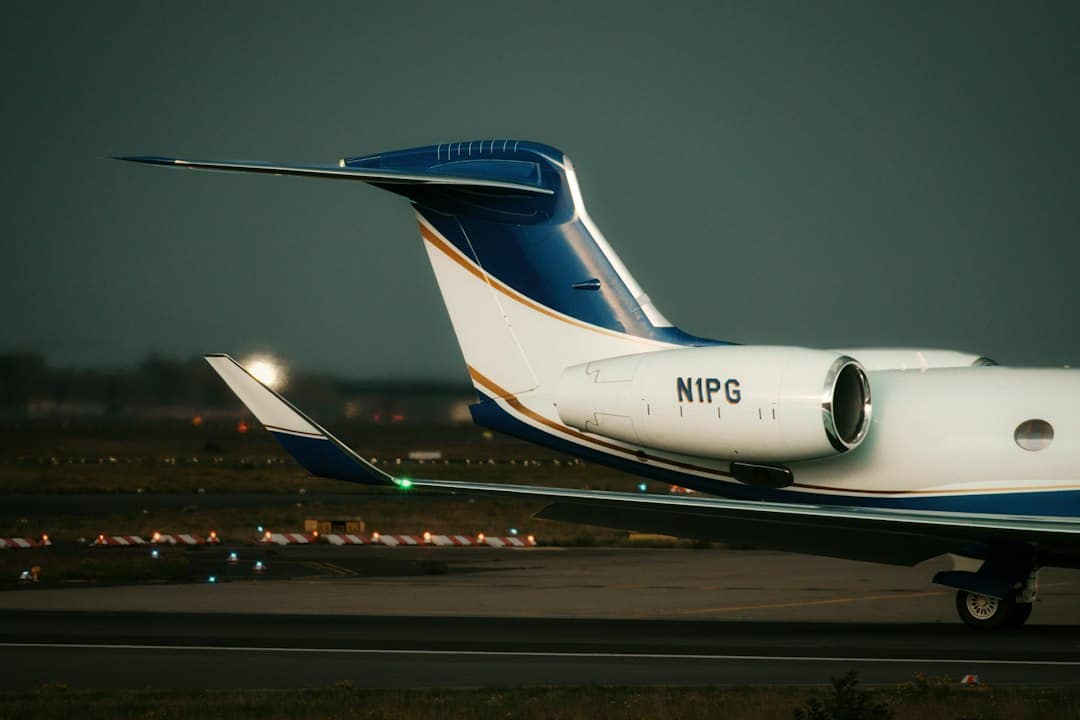
An owned aircraft carries a fixed registration. That registration links, through public registers and flight-tracking data, to an operator and often to a company or individual. Every movement becomes a data point. For a chairman negotiating acquisitions, the pattern of flights can reveal far more than any press release: which cities, which counterparties, which family offices, which weeks.
Arnault’s son Antoine made exactly this point at the time, noting that competitors could gain an edge by knowing where the group’s jet was going. In mergers and acquisitions, a single unexplained trip to a target’s headquarters can move markets.
Charter breaks that link. The principal flies on an aircraft whose tail number belongs to an operator with dozens of clients. The flight still appears on tracking systems, but it no longer points to one person. The data becomes noise.
The Lesson for UHNW Principals
Most principals who buy an aircraft do so for control: the cabin they know, the crew they trust, availability on demand. Arnault’s choice shows that the same control can be bought without the asset, and with one advantage ownership can never offer: anonymity by default.
Private jet charter at the ultra-long-range level today gives a principal access to Global 7500s, Gulfstream G700s and Falcon 8Xs on a trip-by-trip basis. A well-run charter partner holds the principal’s preferences, catering, crew notes and security protocols on file, so every aircraft feels familiar even when the registration changes.
Control Without the Balance Sheet
There is also a financial logic that sits behind the privacy argument. An owned ultra-long-range jet ties up tens of millions in a depreciating asset, plus crew salaries, hangarage, insurance and maintenance reserves that run whether the aircraft flies or not. For a group whose core business is building brand value, an aircraft is a cost centre, not a strategic asset.
Renting converts a fixed cost into a variable one. The principal pays for hours flown, not for hours parked.
What to Ask a Charter Partner
- Can you guarantee a specific aircraft category, not just a seat count, on short notice?
- How do you hold my principal’s profile so that every operator receives the same brief?
- How do you book flights so the principal’s name does not travel through the supply chain?
- Which ultra-long-range aircraft can you source within 24 hours from Paris, London, Dubai or Mumbai?
The Takeaway
Bernard Arnault did not give up private aviation. He gave up the registration. For principals whose movements carry commercial weight, that distinction is the entire point. Ownership announces you. Charter lets you arrive unannounced.
Hype Luxury arranges private jet charter, superyacht charter and chauffeured luxury cars for UHNW principals and their teams worldwide. Enquire at hype.luxury.