

There are cars that chase speed.
And then there are cars that chase permanence.
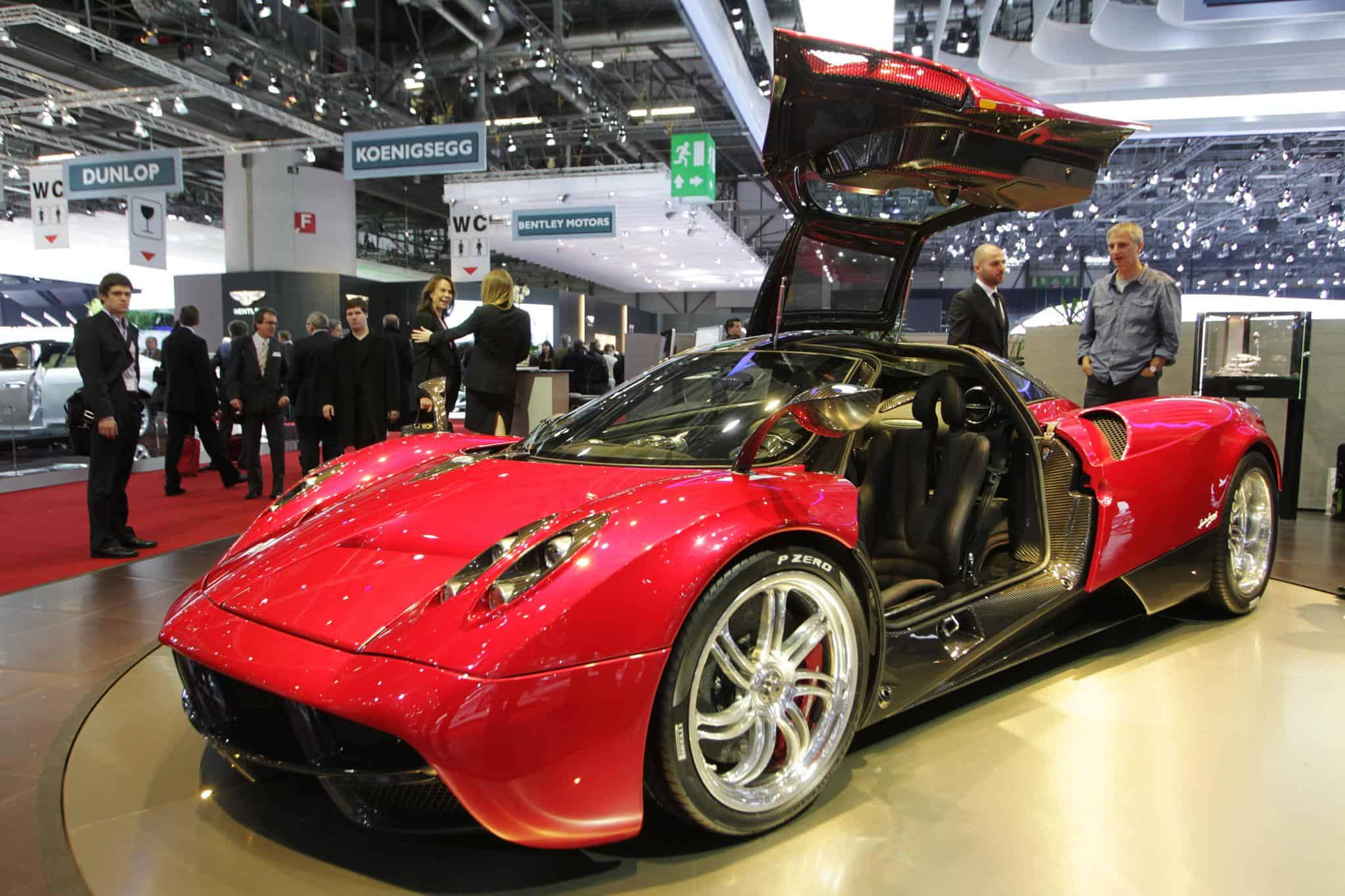
The arrival of our latest Pagani Huayra in Monaco is not merely an addition to a collection. It is an acquisition of philosophy — a machine that blurs the boundary between engineering and sculpture.
For the discerning few — what we call passion investors — the Huayra is not transportation. It is a thesis.
The Horological Approach to Engineering
Horacio Pagani did not set out to build the fastest car in the world.
He set out to build the most beautiful fast car in the world.
The Huayra’s carbon-titanium monocoque is not just structurally advanced — it is materially poetic. Exposed carbon weaves are aligned like tailored fabric. Aluminium components are milled from solid blocks. Switchgear clicks with the tactility of a Swiss chronograph.
Under the sculpted rear clamshell lies an AMG-built V12 — an engine less about brute force and more about orchestration.
Every bolt is visible because nothing is hidden.
Craftsmanship is not a feature. It is the narrative.
Scarcity by Design
Pagani does not manufacture cars at scale.
Production numbers remain deliberately constrained — often under 100 units per variant. This is not supply limitation. It is brand doctrine.
Scarcity creates insulation.
In an era where mass luxury dilutes quickly, the Huayra operates in a rarified category:
-
Limited global availability
-
Direct founder-led oversight
-
Bespoke configuration
-
Multi-year allocation pathways
This is not industrial production. It is atelier practice.
And ateliers do not flood markets.
Passion as an Asset Class
Traditional investors evaluate return on capital.
Passion investors evaluate return on meaning.
The Huayra sits at a fascinating intersection:
-
Mechanical artistry
-
Limited supply
-
Cultural permanence
-
Collector-driven demand
Over the past decade, select hypercars have demonstrated remarkable resilience in secondary markets — particularly when provenance, configuration, and mileage are curated responsibly.
But the real value is not merely appreciation.
It is insulation from commoditization.
A Pagani does not compete in traffic.
It competes in legacy.
The Monaco Context
There is something fitting about the Huayra residing in Monaco.
A principality where Formula One cars thread through harbourfront streets. Where automotive heritage and Mediterranean elegance coexist effortlessly.
In Monaco, cars are not utilities.
They are declarations of discernment.
The Huayra’s gullwing doors rising against the Riviera skyline feel less like theatre and more like inevitability — as though the car was always destined for this coastline.
Beyond Performance Metrics
Yes, it accelerates violently.
Yes, it commands attention.
But that is not the thesis.
The thesis is this:
In a world of algorithm-driven manufacturing and platform sharing, the Huayra remains defiantly individual.
Every cabin is configured to its owner’s imagination.
Every surface reflects hours of human calibration.
Every engine carries a signature.
You are not buying performance.
You are commissioning identity.
The Investment Question
Is a Pagani Huayra a financial instrument?
Not in the conventional sense.
But for those who understand that cultural artefacts often outlast currencies, it becomes something more enduring.
The most sophisticated collectors do not ask,
“Will this go up?”
They ask,
“Will this matter?”
The Huayra answers in carbon fibre and titanium:
Yes.
Final Thought
Art is rarely rational.
But it is frequently valuable.
The Pagani Huayra stands at that rare intersection where aesthetic conviction meets engineering audacity — and where ownership becomes stewardship.
For passion investors, that is not extravagance.
It is alignment.
And in Monaco, alignment has always been the ultimate currency.