

Why it’s hard
Ultra-luxury cars are not engineering projects alone. They are cultural artifacts built on:
-
50–100 years of myth, patronage, and symbolism
-
Craftsmanship ecosystems (coachbuilders, bespoke ateliers)
-
A customer base that values heritage over price
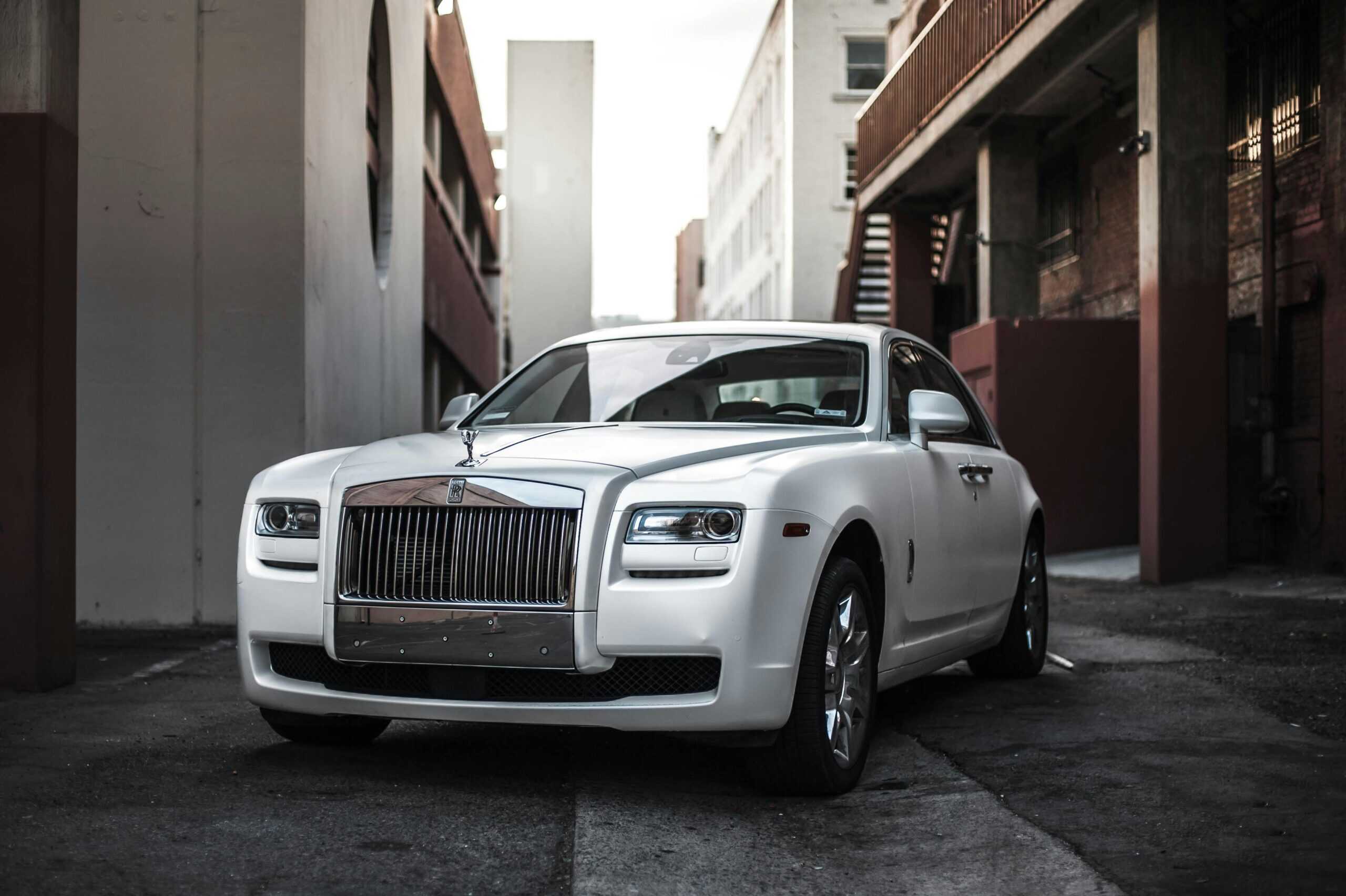
Rolls-Royce isn’t just a carmaker; it’s a century-old narrative headquartered in Goodwood, where the story is as important as the stitching.
China tried. And learned.
China’s Hongqi made a serious attempt to create a state-backed ultra-luxury sedan. It built presence, symbolism, and national pride. Reasonably successful domestically — but global emotional equity takes generations.
What about India?
India absolutely has:
-
Engineering depth (e.g., Tata Motors)
-
Design talent
-
Capital
-
A growing UHNI base
But ultra-luxury demands something rarer: patient capital + uncompromising curation + global aspiration from day one.
India’s automotive DNA has historically been value-driven. To build a world-class ultra-luxury marque, India would need to:
-
Create mythology, not just metal.
-
Build a bespoke ecosystem, not a mass factory.
-
Target a global elite audience, not a domestic premium segment.
-
Think in 50-year horizons, not quarterly cycles.
The real opportunity
India doesn’t need to replicate Rolls-Royce’s formula. It could:
-
Lead in ultra-luxury electric mobility
-
Integrate Indian craftsmanship (handloom, rare woods, bespoke artistry)
-
Build scarcity intentionally — limited production, invitation-only ownership
The question is not capability.
It is conviction and patience.
And if one Indian brand commits to that path — relentlessly, generationally — then yes, India can build a world-class ultra-luxury car.
But it won’t happen by chasing volume.
It will happen by protecting narrative.
That’s how legends are made.