

Rent Luxury Cars, Jets and Yacht
Hype Luxury Blog
No Result
View All Result
  • Blog
  • News & Press
  • Videos
  • Write For Us
  • Login
  • Blog
  • News & Press
  • Videos
  • Write For Us
  • Login
Hype Luxury Blog
No Result
View All Result
Hype Luxury Blog
No Result
View All Result

Charter Management for Superyacht Owners: Generating Revenue from Your Vessel

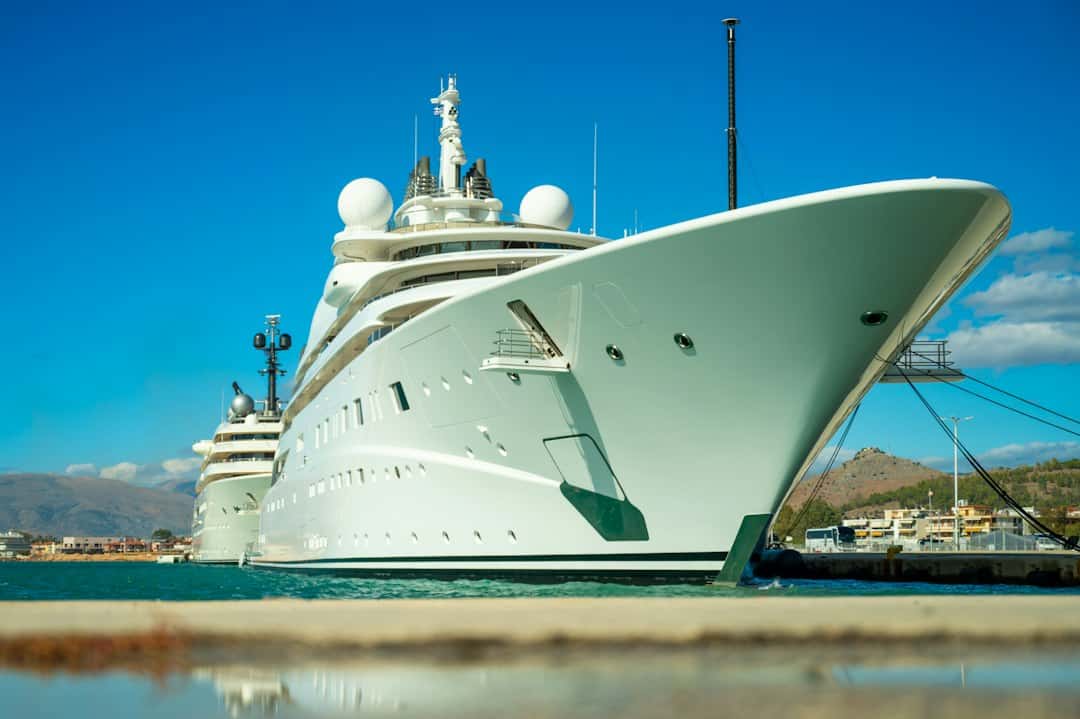
Superyacht deck Mediterranean luxury — Hype Luxury
Previous Post

Selecting a Yacht Management Company: Due Diligence for UHNW Owners

Next Post

Superyacht Technology 2025: Connectivity, Automation, and Smart Systems at Sea

The Charter Offset Calculation

Superyachts are capital-intensive assets with high fixed operating costs. A 50-metre motor yacht with a crew of ten generates annual operating costs of approximately $2–3 million before any depreciation consideration. Charter income — typically ranging from $150,000 to $500,000 per week for premium vessels — can materially offset these costs if the charter programme is structured well. However, the economics must be understood before the decision is made: charter revenue rarely covers operating costs fully, and the commercial activity introduces tax, regulatory, and practical complexity that pure private use does not.

Flag State and Commercial Endorsements

A vessel placed in charter must hold a commercial endorsement from its flag state and comply with the Large Yacht Code (LY3) or equivalent commercial certification framework. This imposes additional safety equipment requirements, crew certification standards (STCW-commercial rather than STCW-recreational), and inspection obligations that are more onerous than those applicable to a private vessel. Conversion to commercial certification typically requires a survey and investment in safety systems that can run to several hundred thousand dollars on a large vessel.

Central Agency and MYBA Charter Agreements

Most charter yachts are marketed through a central agency, which holds exclusive marketing rights and coordinates sub-agency brokers. The MYBA charter agreement is the industry-standard contract governing charter terms, guest obligations, and financial arrangements. Charter income is typically paid to the central agency, which deducts its commission (typically 15–20%) and remits the balance. Owners should negotiate clearly the central agency’s minimum commitment in terms of marketing investment and booking activity.

Owner Priority Periods

Charter programmes must explicitly define owner priority use periods — weeks that are blocked for the owner’s personal use and cannot be offered to charter clients. These should be set in advance for the season and reflected in the central agency agreement. Disputes between charter bookings and owner use are a common source of principal-management conflict and should be governed by clear contractual provisions from the outset.

Tax Treatment of Charter Income

Charter income tax treatment varies significantly by flag state, the owner’s domicile, and the jurisdictions in which the yacht operates. VAT obligations in EU waters are complex: the EU Yachting Directive provides some concessions, but charter income generated in member state territorial waters generally attracts VAT. The ownership structure — whether the vessel is held personally, through a special purpose vehicle, or by a trust — has significant implications for how charter income is recognised and taxed. Specialist maritime tax advice should be taken before any charter programme is established.

Hype Luxury provides bespoke travel and concierge services for UHNW principals. Enquire at hype.luxury.


Tags: LuxuryPrivateJetCharterUHNWTravelConcierge
Caribbean beach with turquoise water

Flying to St Barths: Why the Last Leg Is Always the Smallest Aircraft

November 17, 2026
White private jet on an airport tarmac at golden hour

The Celebrity Jet Sell-Off: Why Global Stars Are Choosing Access Over Ownership

November 14, 2026
White private jet on an airport tarmac at golden hour

The December Crunch: Why Holiday Private Jets Sell Out in November

November 12, 2026
South Beach Miami waterfront

Art Basel Miami Beach 2026 by Private Jet: Airports, Timing and Arrival Strategy

November 10, 2026
Formula race cars at Circuit Paul Ricard

Abu Dhabi Grand Prix 2026 by Private Jet and Superyacht: A Principal’s Plan

November 7, 2026
Superyacht deck Mediterranean luxury — Hype Luxury
Previous Post

Selecting a Yacht Management Company: Due Diligence for UHNW Owners

Next Post

Superyacht Technology 2025: Connectivity, Automation, and Smart Systems at Sea

The Charter Offset Calculation

Superyachts are capital-intensive assets with high fixed operating costs. A 50-metre motor yacht with a crew of ten generates annual operating costs of approximately $2–3 million before any depreciation consideration. Charter income — typically ranging from $150,000 to $500,000 per week for premium vessels — can materially offset these costs if the charter programme is structured well. However, the economics must be understood before the decision is made: charter revenue rarely covers operating costs fully, and the commercial activity introduces tax, regulatory, and practical complexity that pure private use does not.

Flag State and Commercial Endorsements

A vessel placed in charter must hold a commercial endorsement from its flag state and comply with the Large Yacht Code (LY3) or equivalent commercial certification framework. This imposes additional safety equipment requirements, crew certification standards (STCW-commercial rather than STCW-recreational), and inspection obligations that are more onerous than those applicable to a private vessel. Conversion to commercial certification typically requires a survey and investment in safety systems that can run to several hundred thousand dollars on a large vessel.

Central Agency and MYBA Charter Agreements

Most charter yachts are marketed through a central agency, which holds exclusive marketing rights and coordinates sub-agency brokers. The MYBA charter agreement is the industry-standard contract governing charter terms, guest obligations, and financial arrangements. Charter income is typically paid to the central agency, which deducts its commission (typically 15–20%) and remits the balance. Owners should negotiate clearly the central agency’s minimum commitment in terms of marketing investment and booking activity.

Owner Priority Periods

Charter programmes must explicitly define owner priority use periods — weeks that are blocked for the owner’s personal use and cannot be offered to charter clients. These should be set in advance for the season and reflected in the central agency agreement. Disputes between charter bookings and owner use are a common source of principal-management conflict and should be governed by clear contractual provisions from the outset.

Tax Treatment of Charter Income

Charter income tax treatment varies significantly by flag state, the owner’s domicile, and the jurisdictions in which the yacht operates. VAT obligations in EU waters are complex: the EU Yachting Directive provides some concessions, but charter income generated in member state territorial waters generally attracts VAT. The ownership structure — whether the vessel is held personally, through a special purpose vehicle, or by a trust — has significant implications for how charter income is recognised and taxed. Specialist maritime tax advice should be taken before any charter programme is established.

Hype Luxury provides bespoke travel and concierge services for UHNW principals. Enquire at hype.luxury.

Tags: LuxuryPrivateJetCharterUHNWTravelConcierge
Caribbean beach with turquoise water

Flying to St Barths: Why the Last Leg Is Always the Smallest Aircraft

November 17, 2026
White private jet on an airport tarmac at golden hour

The Celebrity Jet Sell-Off: Why Global Stars Are Choosing Access Over Ownership

November 14, 2026
White private jet on an airport tarmac at golden hour

The December Crunch: Why Holiday Private Jets Sell Out in November

November 12, 2026
South Beach Miami waterfront

Art Basel Miami Beach 2026 by Private Jet: Airports, Timing and Arrival Strategy

November 10, 2026
Formula race cars at Circuit Paul Ricard

Abu Dhabi Grand Prix 2026 by Private Jet and Superyacht: A Principal’s Plan

November 7, 2026


Hype Luxury Logo


Sign up to our newsletter to stay updated

johnsmith@example.com

Company

  • About
  • News & Press
  • Blog
  • T & C
  • Privacy

Contact

  • Contact
  • Partnership
  • Help

Social

  • Instagram
  • Youtube
  • LinkedIn
  • Facebook
  • Twitter
No Result
View All Result
  • Home
  • News & Press
  • Videos
  • Write For Us
  • Login
  • RENT LUXURY CARS
  • Login
  • Sign Up