

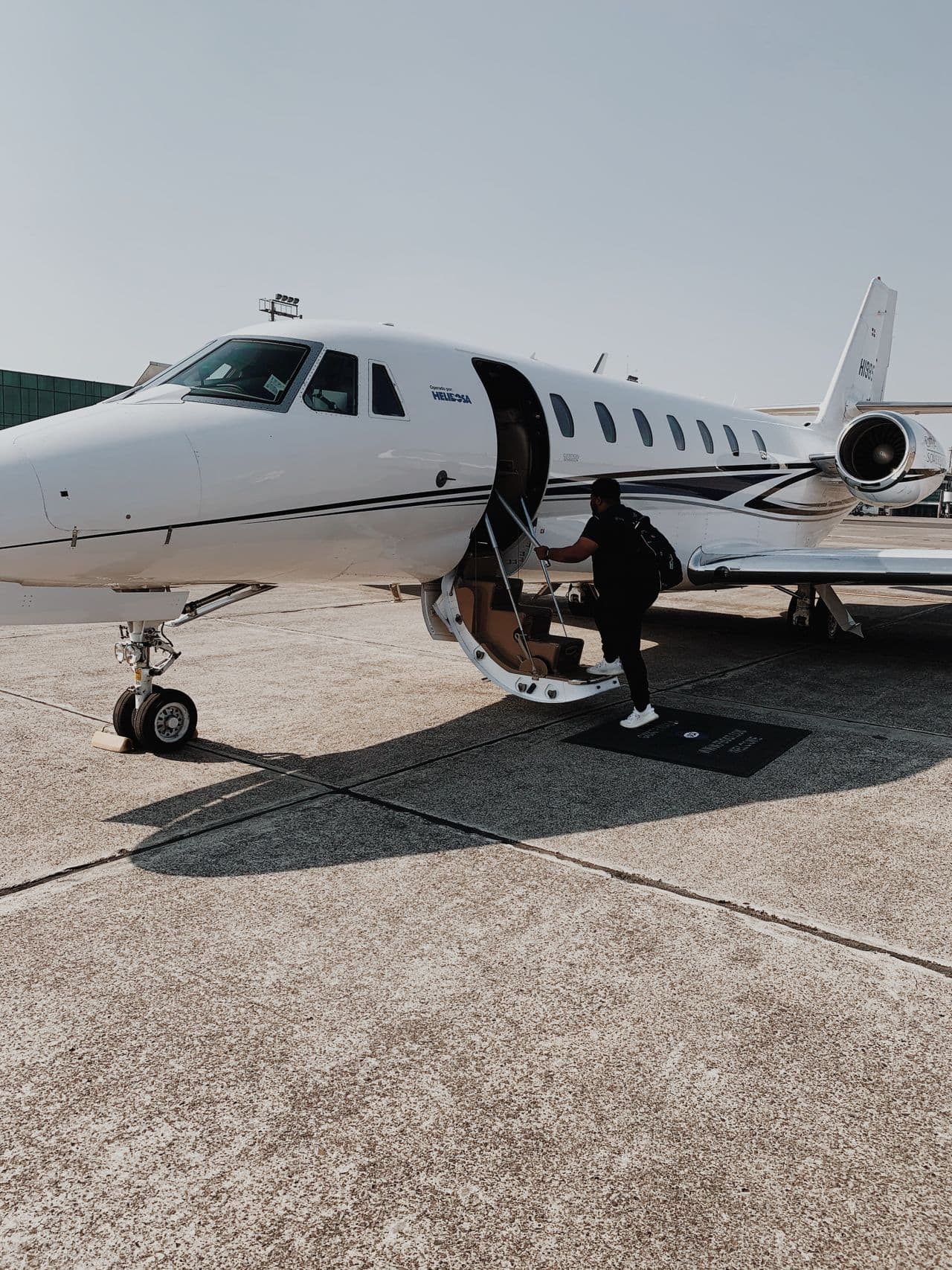
Private aviation is one of the safest forms of travel in the world. It is also an industry in which safety standards vary more dramatically than most passengers realize — and in which the charter experience can make those differences genuinely difficult to see.
Understanding the framework that separates a rigorously operated aircraft from a superficially impressive one is not the most glamorous aspect of private aviation. It is the most important one.
The Operator Is Not Always Who You Think
When you charter a private jet through a broker or platform, you are typically not chartering from the platform itself. You are chartering from an aircraft operator — the company that holds the air operator certificate, employs the crew, and maintains the aircraft. The quality, safety culture, and operational standards of that operator vary significantly, and they are not always visible in the booking experience.
The safest clients always ask: who is the operator, and what is their safety certification?
ARGUS, Wyvern, and IS-BAO: The Certifications That Matter
Three third-party safety audit bodies are globally recognized in private aviation: ARGUS International (which rates operators as ARGUS Registered, Gold, or Platinum), Wyvern Consulting (which awards a Wingman rating), and IS-BAO (International Standard for Business Aircraft Operations, the ICAO-backed standard).
An operator holding Wyvern Wingman or ARGUS Platinum certification has undergone rigorous, independent review of their safety management systems, flight operations, maintenance programs, and crew training. These are the operators that serious clients and corporate flight departments insist on.
Ask About Crew Recency
The regulatory minimum for pilot currency is not the same as operational excellence. Ask how recently the crew has flown this specific aircraft type, and whether they regularly operate the same model. A captain who flies a Gulfstream G650 300 hours per year is a different proposition from one who holds the type rating but flies it irregularly.
The Age of the Aircraft
A newer aircraft is not automatically safer than an older one — a well-maintained 15-year-old aircraft with an impeccable maintenance record can be safer than a 3-year-old aircraft operated by a less disciplined organization. But age does correlate with the availability of modern avionics, terrain awareness systems, and cabin pressurization technology that reduce risk in meaningful ways.
Weather Decision Authority
One of the most important safety signals in any private aviation context is this: who has the authority to delay or cancel a flight due to weather? The correct answer, without exception, is the captain. A commercial culture that pressures captains to fly in marginal conditions to satisfy client schedules is a safety culture that has been compromised.
At Hype Luxury, every aircraft in our network is vetted against certified safety criteria before it ever appears in a client booking. We do not place clients on aircraft that do not meet our safety threshold — regardless of availability, pricing, or client urgency.