
A managing partner at a family office values their time at a measurable opportunity cost: approximately $5,000–$15,000 per hour, depending on deal flow and portfolio complexity. A four-hour journey to Dubai via commercial aviation—including airport arrival buffer, security, boarding delays, deplaning, ground transportation—consumes seven calendar hours. A private flight consumes four.
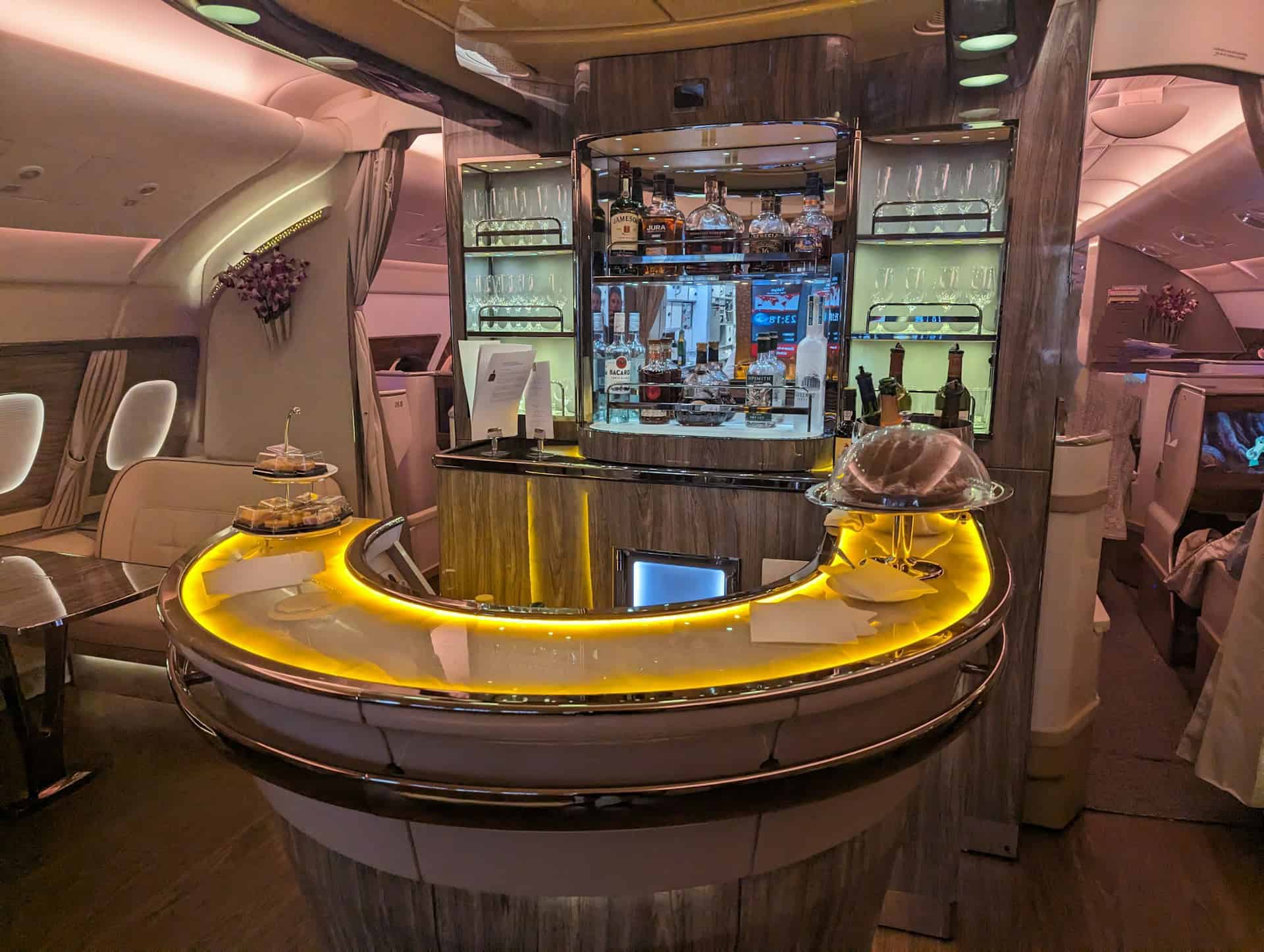
The three-hour compression is worth $15,000–$45,000 in opportunity cost recovery. The cabin marble, caviar service, or bespoke seating becomes noise. The principal is measuring the aircraft against their calendar, not their Instagram feed.
This asymmetry explains why UHNW operators choose ultra-long-range platforms over mid-size cabins. Yes, they could fly a Learjet or Citation X to London. But if they can reach Zurich, Geneva, or Paris nonstop from their base, the marginal hour saved eliminates connection friction. One intermediate stop becomes zero stops. One airport slot negotiation becomes zero.
Fractional programs and charter brokers spend enormous marketing budget on cabin finishes, dining menus, and personalization theatre. The principals evaluating these programs—especially those with >$500M AUM or solo decision-making authority—are reading the fine print on reserves, fuel surcharges, and slot-hopping protocols. They want to know: Can I book departure within 4 hours? Will you guarantee no fuel price pass-through above $X per hour? Can I confidently schedule a 6 a.m. or 11 p.m. departure without penalties?
The tactical question is often: How many aircraft in your fleet can serve my routes? If the answer is “one or two,” the principal is building contingency. If the operator says “twelve to sixteen with 98% same-day availability,” they’re signing a three-year contract. The principals winning in business aren’t the ones with the finest champagne service. They’re the ones who saved three hours on a transatlantic flight and closed a deal the competition missed.