

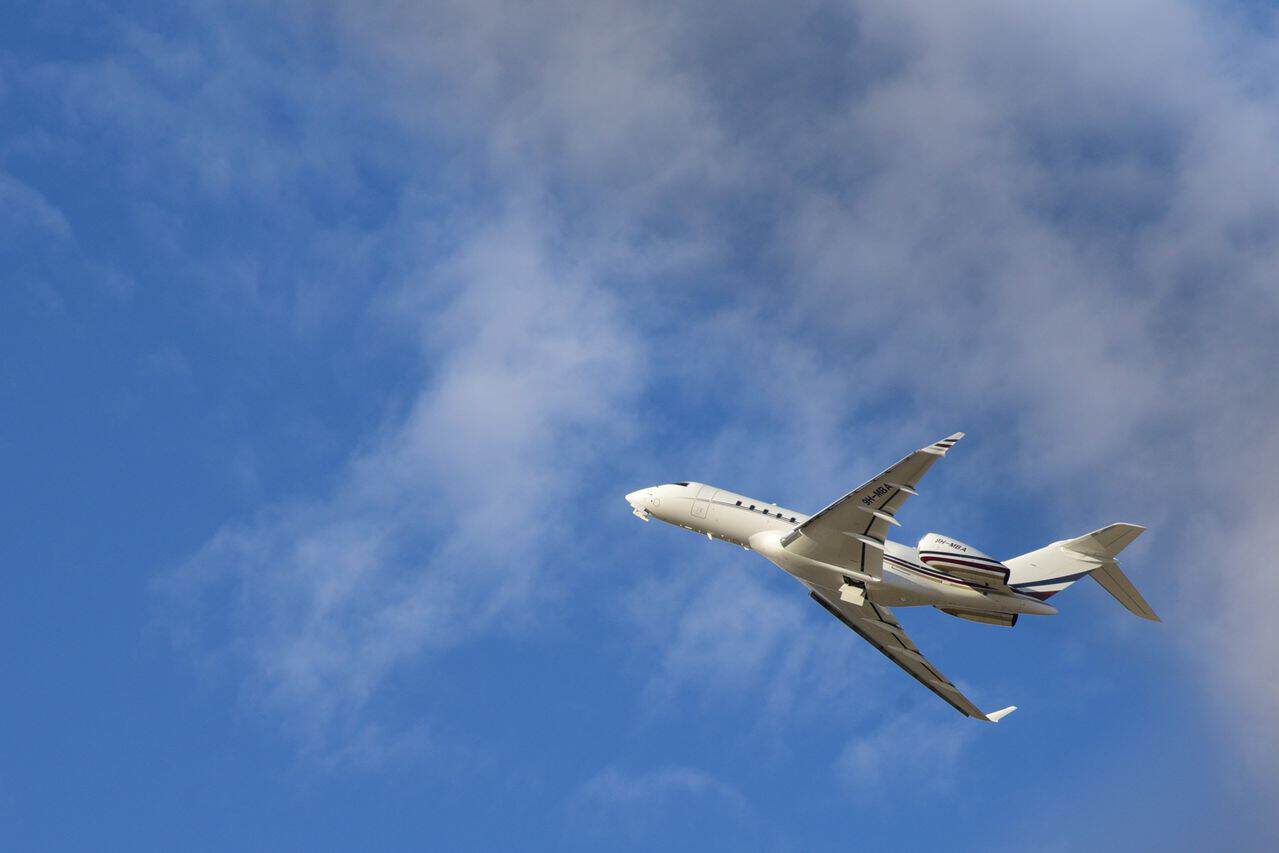
The environmental calculus of private aviation has entered a new phase. The conversation has moved beyond the binary — fly private and accept the environmental cost, or don’t — toward a more sophisticated engagement with the real tools available to clients who wish to fly at the highest standard without the environmental compromise that characterized private aviation’s previous generation.
This is that conversation, conducted seriously.
The Actual Carbon Numbers
A Gulfstream G700 flying from London to Dubai produces approximately 45 tonnes of CO2 equivalent — roughly 8 times the emissions of a commercial business class passenger on the same route, or 4 times the equivalent private jet route per passenger on a full aircraft.
These numbers should be known accurately. The environmental case for private aviation is not made by minimizing them — it is made by contextualizing them honestly and identifying the reduction measures available.
Sustainable Aviation Fuel: The Most Significant Lever
Sustainable Aviation Fuel produced from bio-based or synthetic feedstocks reduces lifecycle carbon emissions by 50-80% compared to conventional jet fuel. It is a drop-in replacement — no aircraft modification required, no operational change, no performance compromise.
The two primary SAF pathways currently available: HEFA-SPK (Hydroprocessed Esters and Fatty Acids — produced from used cooking oil, animal fat, and agricultural residues) reduces lifecycle emissions by approximately 65-70%. Power-to-Liquid (synthetic SAF produced from green hydrogen and captured CO2) offers lifecycle emissions reductions of 85-95% but is not yet available at meaningful commercial scale.
SAF is currently available at FBOs in London, Amsterdam, Dubai, Los Angeles, Singapore, and a growing number of locations globally. The cost premium is typically 2-4x conventional fuel costs — on a London to Dubai charter of $130,000 total cost, the SAF premium represents approximately $8,000-$15,000. For a client for whom the flight represents a meaningful return on time investment, this is not a significant consideration.
Carbon Market Quality: Not All Offsets Are Equal
For emissions not addressed by SAF, the voluntary carbon market offers offset mechanisms — but with enormous variation in quality. The standard that serious environmental advisers recommend: Gold Standard or Verra VCS certified credits, from projects with co-benefits (biodiversity protection, community development) rather than pure carbon accounting, from vintages no older than three years.
The client who purchases cheap credits from an unverified forestry project has not offset anything meaningful. The client who purchases Gold Standard credits from a verified cookstove or renewable energy project has made a genuine, audited contribution.
The Technology Horizon
Zero-emission private aviation is not speculative. Eviation’s Alice — a fully electric commuter aircraft — entered commercial testing in 2023. Hydrogen fuel cell technology is being developed by ZeroAvia for regional aircraft with certification timelines in the 2027-2030 window. The pure-SAF Gulfstream G700 demonstration flight completed in 2022 proved that today’s aircraft can fly on 100% sustainable fuel without modification.
The trajectory is clear. The timeline is approximately 10-15 years for meaningful zero-emission capability at the range and cabin standard that serious private aviation clients require.
At Hype Luxury, we facilitate SAF arrangements for clients who request it, provide carbon offset sourcing at Gold Standard level, and track the technology developments that will define private aviation’s next chapter.