
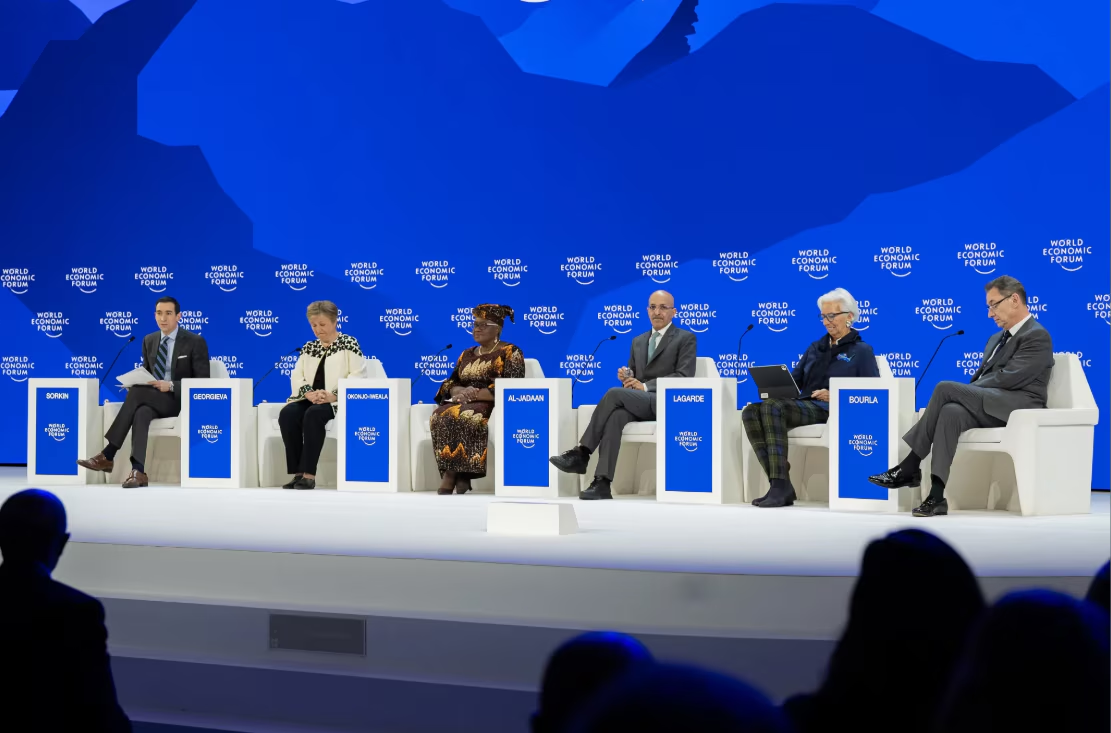
The conversations were familiar: AI governance, geopolitical fractures, climate acceleration, sovereign debt stress. Yet beneath the panels and private dinners lingered an unspoken tension — a widening “Trust Gap.”
Trust in institutions is eroding faster than capital markets. Citizens distrust governments. Consumers distrust corporations. Investors distrust policy predictability. And governments increasingly distrust global capital mobility.
The paradox? Never has the world been more interconnected — and never has it felt more fragmented.
In closed-door sessions, one theme echoed: perception is now systemic risk. Reputation volatility can erase billions faster than balance-sheet mismanagement. A viral narrative can move markets before fundamentals have time to respond.
For UHNW families and global enterprises, this trust deficit translates into strategic recalibration:
-
Greater jurisdictional diversification
-
Heightened compliance and transparency
-
Narrative control as a board-level priority
-
Alignment with long-term societal value, not short-term optics
The Davos 2026 mood was not pessimistic. It was cautious. Leaders acknowledged that the social license to operate is no longer implicit. It must be earned — repeatedly.
In previous cycles, capital chased growth. Today, it chases credibility.
The Trust Gap is not a PR problem. It is a structural shift in how power is validated. Institutions that fail to rebuild confidence will face capital outflows, regulatory pressure, and cultural resistance.
Those that understand the moment will redesign governance, communication, and value creation around one scarce commodity:
Believability.
In 2026, that is the real currency of Davos.