

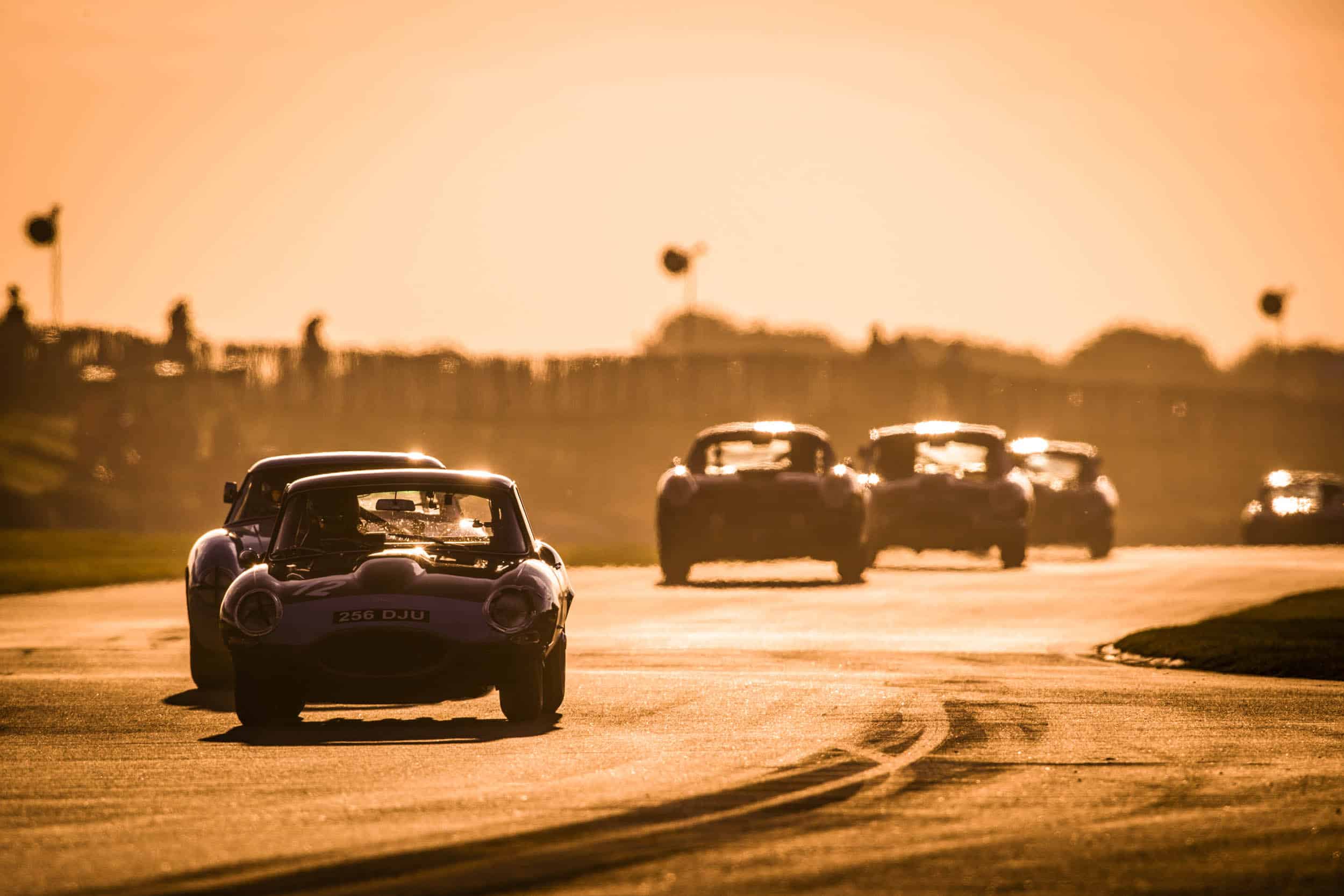
450 hours. On one car.
There is no algorithm that optimises this. No process improvement that reduces the timeline without reducing the result. No AI that replicates the judgment of the human hand learning, over months, the specific behaviour of this specific wood veneer or this specific leather hide.
The 450 hours is not inefficiency. It is the product.
We live in a world that has completely lost the ability to distinguish between speed as a virtue and speed as a default. Everything is faster. Faster is assumed to be better. The company that ships in two days beats the company that ships in five regardless of what arrives in the box. The software that deploys weekly beats the software that deploys quarterly regardless of what the deployments contain.
And somewhere in this race toward the fastest possible version of everything, the category of things that cannot be made faster without becoming something different — without losing the specific quality that made them worth making — has been allowed to nearly disappear.
Handmade furniture. Bespoke tailoring. Watches assembled by a single watchmaker who will spend three months on one caliber. Architecture designed by someone who walked the site in every season before drawing a single line. Wine made by a family whose relationship with a specific hillside spans four generations.
These things are not slow because the people making them haven’t discovered efficiency. They are slow because the slowness is inseparable from the outcome. The patient attention is what creates the thing that, when someone encounters it, produces a response that faster versions of the same category cannot.
The world is going to keep accelerating. The demand for things that cannot be accelerated is going to grow proportionally — because the rarity of genuine craft increases as the default moves further from it.
Ultra luxury, in its truest form, is the preservation of the things that must be made slowly.
Not as nostalgia. As necessity.