

Rent Luxury Cars, Jets and Yacht
Hype Luxury Blog
No Result
View All Result
  • Blog
  • News & Press
  • Videos
  • Write For Us
  • Login
  • Blog
  • News & Press
  • Videos
  • Write For Us
  • Login
Hype Luxury Blog
No Result
View All Result
Hype Luxury Blog
No Result
View All Result

What Happens to a Rolls-Royce When the Person It Was Built for Changes

What Happens to a Rolls-Royce When the Person It Was Built for Changes
Previous Post

The Quiet Collapse of the Middle Tier in Private Aviation — And Why It Matters to People Who Never Used It

Next Post

The Pilot Shortage Nobody in Private Aviation Is Being Honest About

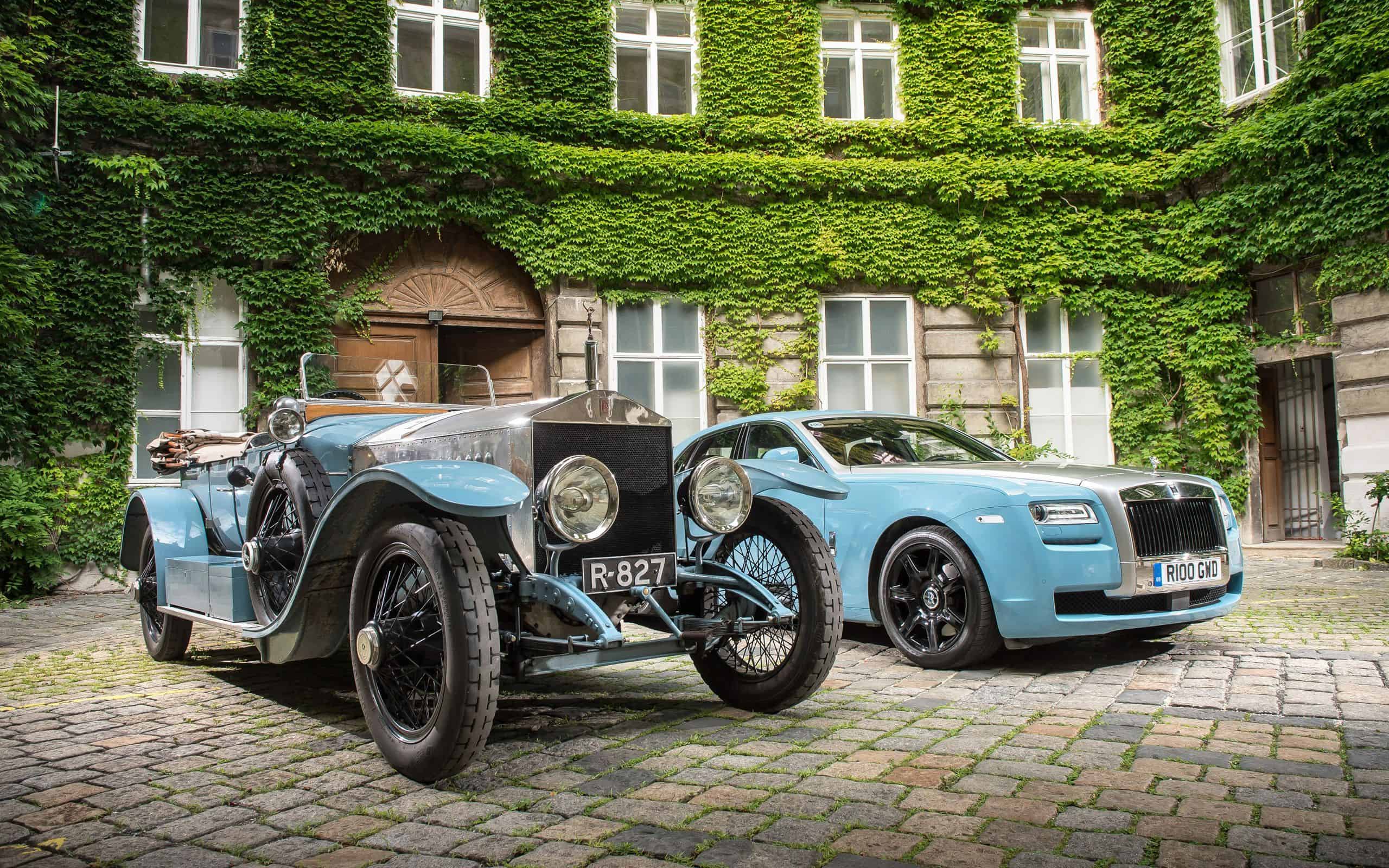
There is a paradox embedded in the commissioning of a truly bespoke ultra-luxury vehicle that the marques who build them are understandably reluctant to discuss.

The more precisely the vehicle is specified to reflect the life, preferences, and aesthetic sensibility of the person who commissioned it — the more it succeeds, in other words, at being genuinely bespoke — the more difficult it becomes to find a second owner for whom it is equally correct.

The Rolls-Royce Phantom commissioned with a starlight headliner mapped to the night sky over the owner’s birthplace, an exterior colour matched to the stone of their childhood home, and an interior hide in a shade sourced from a specific tannery that has since closed is an extraordinary object. It is also, in the secondary market, a vehicle whose most distinctive features are simultaneously its greatest assets and its most significant commercial liabilities.

The buyer who encounters it in the secondary market is not being offered a Phantom. They are being offered someone else’s Phantom. And for the buyer who is sophisticated enough to appreciate the depth of the specification, that distinction is material.

What the secondary market actually reveals

The secondary market for bespoke ultra-luxury vehicles is a more honest environment than the commissioning conversation. It reveals, with the clarity that only pricing can provide, which elements of personalisation retain value when they are detached from the person who specified them and which do not.

Exterior colours perform differently from interior specifications. An unusual but objectively beautiful exterior colour — a shade that does not appear in the standard palette but that a skilled colourist would recognise as harmonious and distinctive — often attracts a premium in the secondary market because it is visible and because its rarity is legible to an observer who does not know its provenance.

Interior specifications that are deeply personal — the hide matched to a specific reference, the veneer sourced from a tree on a specific estate, the embroidery that incorporates a motif from a family crest — do not transfer their meaning to a secondary buyer. They are correct for one person and arbitrary for everyone else. In the secondary market, they are typically assessed as neutral at best.

The implication is not that bespoke specification is commercially irrational. For the principal who intends to use a vehicle for its full natural lifespan — which, in the ultra-luxury segment, can extend to twenty years with appropriate maintenance — the secondary market value is genuinely secondary to the quality of the daily experience the specification produces.

But for the principal who commissions bespoke vehicles as part of a programme that involves regular renewal — who replaces their primary vehicle every three to five years — the specification decisions carry a commercial dimension that is worth understanding before the brief is finalised.

The specification that travels

The most commercially durable bespoke specifications are those that reflect a sensibility rather than a biography. The client who specifies an interior in materials of exceptional quality in proportions and combinations that reflect considered aesthetic judgment — rather than personal references that are legible only to themselves — is creating an object whose excellence communicates across the boundary of ownership.

The secondary buyer does not need to know why the specification is correct. They need only to recognise that it is.

That recognition — the encounter with an object whose quality and coherence are immediately apparent without explanation — is what the finest bespoke commissions produce. And it is, not coincidentally, what the finest bespoke commissions retain in the secondary market.

The brief that is deeply personal and the brief that is aesthetically serious are not mutually exclusive. The clients who manage to produce both are commissioning the vehicles that the secondary market will pursue rather than accommodate.

Curated by: Hype Luxury

Tags: #BentleyMulliner#BespokeCar#BillionaireLifestyle#ExoticCars#LuxuryCars#LuxuryInvestment#LuxuryMobility#UltraHNWIhypeluxuryrollsroyce
The Ultra-Luxury Car Market Has a Provenance Problem Nobody Wants to Name

The Ultra-Luxury Car Market Has a Provenance Problem Nobody Wants to Name

February 28, 2026
The Pilot Shortage Nobody in Private Aviation Is Being Honest About

The Pilot Shortage Nobody in Private Aviation Is Being Honest About

February 28, 2026
What Happens to a Rolls-Royce When the Person It Was Built for Changes

What Happens to a Rolls-Royce When the Person It Was Built for Changes

February 28, 2026
The Quiet Collapse of the Middle Tier in Private Aviation — And Why It Matters to People Who Never Used It

The Quiet Collapse of the Middle Tier in Private Aviation — And Why It Matters to People Who Never Used It

February 28, 2026
The Superyacht That Sat Empty for 11 Months and What It Cost Its Owner in Ways That Never Appeared on an Invoice

The Superyacht That Sat Empty for 11 Months and What It Cost Its Owner in Ways That Never Appeared on an Invoice

February 28, 2026
What Happens to a Rolls-Royce When the Person It Was Built for Changes
Previous Post

The Quiet Collapse of the Middle Tier in Private Aviation — And Why It Matters to People Who Never Used It

Next Post

The Pilot Shortage Nobody in Private Aviation Is Being Honest About

There is a paradox embedded in the commissioning of a truly bespoke ultra-luxury vehicle that the marques who build them are understandably reluctant to discuss.

The more precisely the vehicle is specified to reflect the life, preferences, and aesthetic sensibility of the person who commissioned it — the more it succeeds, in other words, at being genuinely bespoke — the more difficult it becomes to find a second owner for whom it is equally correct.

The Rolls-Royce Phantom commissioned with a starlight headliner mapped to the night sky over the owner’s birthplace, an exterior colour matched to the stone of their childhood home, and an interior hide in a shade sourced from a specific tannery that has since closed is an extraordinary object. It is also, in the secondary market, a vehicle whose most distinctive features are simultaneously its greatest assets and its most significant commercial liabilities.

The buyer who encounters it in the secondary market is not being offered a Phantom. They are being offered someone else’s Phantom. And for the buyer who is sophisticated enough to appreciate the depth of the specification, that distinction is material.

What the secondary market actually reveals

The secondary market for bespoke ultra-luxury vehicles is a more honest environment than the commissioning conversation. It reveals, with the clarity that only pricing can provide, which elements of personalisation retain value when they are detached from the person who specified them and which do not.

Exterior colours perform differently from interior specifications. An unusual but objectively beautiful exterior colour — a shade that does not appear in the standard palette but that a skilled colourist would recognise as harmonious and distinctive — often attracts a premium in the secondary market because it is visible and because its rarity is legible to an observer who does not know its provenance.

Interior specifications that are deeply personal — the hide matched to a specific reference, the veneer sourced from a tree on a specific estate, the embroidery that incorporates a motif from a family crest — do not transfer their meaning to a secondary buyer. They are correct for one person and arbitrary for everyone else. In the secondary market, they are typically assessed as neutral at best.

The implication is not that bespoke specification is commercially irrational. For the principal who intends to use a vehicle for its full natural lifespan — which, in the ultra-luxury segment, can extend to twenty years with appropriate maintenance — the secondary market value is genuinely secondary to the quality of the daily experience the specification produces.

But for the principal who commissions bespoke vehicles as part of a programme that involves regular renewal — who replaces their primary vehicle every three to five years — the specification decisions carry a commercial dimension that is worth understanding before the brief is finalised.

The specification that travels

The most commercially durable bespoke specifications are those that reflect a sensibility rather than a biography. The client who specifies an interior in materials of exceptional quality in proportions and combinations that reflect considered aesthetic judgment — rather than personal references that are legible only to themselves — is creating an object whose excellence communicates across the boundary of ownership.

The secondary buyer does not need to know why the specification is correct. They need only to recognise that it is.

That recognition — the encounter with an object whose quality and coherence are immediately apparent without explanation — is what the finest bespoke commissions produce. And it is, not coincidentally, what the finest bespoke commissions retain in the secondary market.

The brief that is deeply personal and the brief that is aesthetically serious are not mutually exclusive. The clients who manage to produce both are commissioning the vehicles that the secondary market will pursue rather than accommodate.

Curated by: Hype Luxury

Tags: #BentleyMulliner#BespokeCar#BillionaireLifestyle#ExoticCars#LuxuryCars#LuxuryInvestment#LuxuryMobility#UltraHNWIhypeluxuryrollsroyce
The Ultra-Luxury Car Market Has a Provenance Problem Nobody Wants to Name

The Ultra-Luxury Car Market Has a Provenance Problem Nobody Wants to Name

February 28, 2026
The Pilot Shortage Nobody in Private Aviation Is Being Honest About

The Pilot Shortage Nobody in Private Aviation Is Being Honest About

February 28, 2026
What Happens to a Rolls-Royce When the Person It Was Built for Changes

What Happens to a Rolls-Royce When the Person It Was Built for Changes

February 28, 2026
The Quiet Collapse of the Middle Tier in Private Aviation — And Why It Matters to People Who Never Used It

The Quiet Collapse of the Middle Tier in Private Aviation — And Why It Matters to People Who Never Used It

February 28, 2026
The Superyacht That Sat Empty for 11 Months and What It Cost Its Owner in Ways That Never Appeared on an Invoice

The Superyacht That Sat Empty for 11 Months and What It Cost Its Owner in Ways That Never Appeared on an Invoice

February 28, 2026

Hype app logo

Download app

Hype app logo

Sign up to our newsletter to stay updated

johnsmith@example.com

Company

  • About
  • News & Press
  • Blog
  • T & C
  • Privacy

Contact

  • Contact
  • Partnership
  • Help

Social

  • Instagram
  • Youtube
  • LinkedIn
  • Facebook
  • Twitter
No Result
View All Result
  • Home
  • News & Press
  • Videos
  • Write For Us
  • Login
  • RENT LUXURY CARS
  • Login
  • Sign Up