

Rent Luxury Cars, Jets and Yacht
Hype Luxury Blog
No Result
View All Result
  • Blog
  • News & Press
  • Videos
  • Write For Us
  • Login
  • Blog
  • News & Press
  • Videos
  • Write For Us
  • Login
Hype Luxury Blog
No Result
View All Result
Hype Luxury Blog
No Result
View All Result

Why Billionaires Are Quietly Abandoning India — And What It Would Take to Keep Them.

Why Billionaires Are Quietly Abandoning India — And What It Would Take to Keep Them.
Previous Post

Private Jets Don’t Destroy the Planet. Guilt-Tripping the Rich Does.

Next Post

The Second Passport Isn’t a Betrayal. It’s the Smartest Investment You’ll Make.

There is no press release. No farewell interview. No dramatic exit. One quarter, the family office is in Mumbai. The next, it is registered in Dubai. The principals still attend the right events. They still have the right addresses. But the capital — and the decision-making — has moved.

India is losing its billionaires. Not loudly. Quietly. And the silence is the most alarming part.


What the Numbers Say

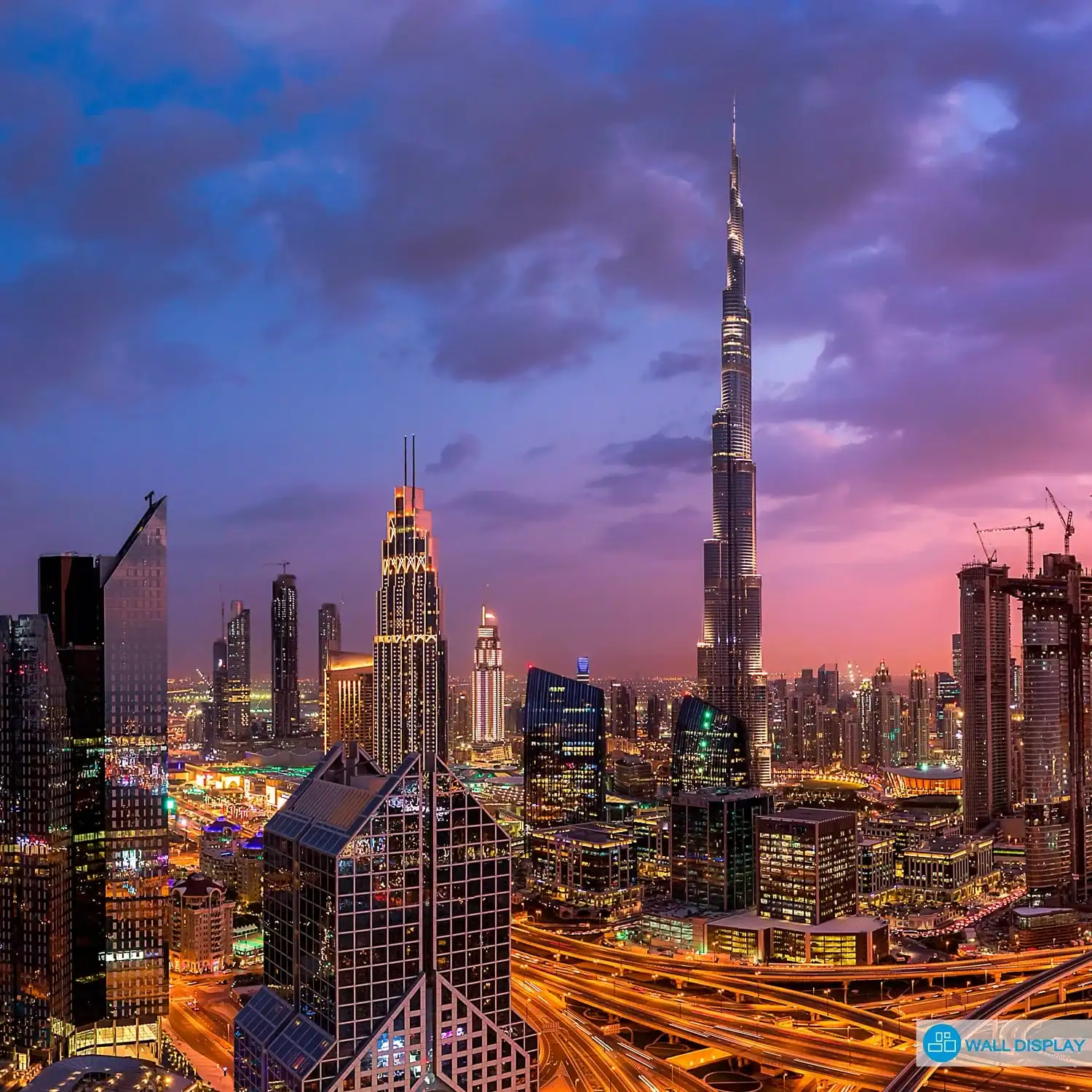
In 2024, India recorded the highest net outflow of high-net-worth individuals of any nation in Asia. Over 5,000 millionaires relocated. The destination of choice was not London — which has its own crisis of confidence. It was Dubai. Singapore. And for the truly mobile, a structure that cannot be pinned to any single jurisdiction at all.

These are not people leaving because they failed. These are people leaving because they succeeded — and then looked at what success costs in India, and decided the arithmetic did not work.


What Is Actually Driving It

It is not one thing. It is never one thing.

It is the accumulation of friction.

Tax policy that treats wealth as a problem to be solved rather than an engine to be fuelled. Regulatory environments where permissions take longer than projects. A legal system where commercial disputes age into inheritance issues. Public discourse that oscillates between celebrating entrepreneurs and prosecuting them — sometimes in the same news cycle.

It is the feeling — and in India, feelings about the state carry historical weight — that the system is not designed for you. That your success is tolerated, not welcomed. That the rules will change when you become large enough to matter.

The ultra-wealthy do not wait to find out if that feeling is correct.

They move before it is confirmed.


Dubai Is Not the Competition. Indifference Is.

The mistake is framing this as India vs. Dubai.

Dubai did not steal India’s billionaires. Dubai simply built an environment where their presence was treated as a strategic asset — and then got out of the way.

Zero capital gains tax. Transparent regulatory frameworks. Fast-track residency for investors. A government that understands, at an institutional level, that mobile capital is a gift — and that gifts go to whoever is most grateful for them.

India has everything Dubai does not: scale, depth, a domestic market of 1.4 billion people, and a civilisational weight that no free zone can replicate. What India lacks is not assets. It is attitude.

The attitude that wealth creation deserves the same respect as wealth redistribution. That the people building companies, employing thousands, and putting India on the global map are partners — not subjects.


What It Would Take

Not much. And yet everything.

Regulatory predictability. The confidence that a framework in place today will not be rewritten tomorrow by a committee that was not consulted yesterday. Faster commercial dispute resolution. A public language around wealth that is aspirational rather than adversarial.

And one more thing — perhaps the most important:

Recognition. The acknowledgement, at the highest levels of government and culture, that India’s billionaires are not a problem to be managed. They are proof of something extraordinary. A country that started with nothing and produced people who compete — and win — on the world stage.

That recognition costs nothing to give.

Its absence, however, is costing India everything.


The jet is fuelled. The question is which direction it points.

Tags: #India #WealthMigration #BillionaireMindset #Dubai #FamilyOffice #GlobalMobility #HypeLuxury #UHNWI #CapitalFlight #IndiaEconomy
Pre-Owned vs New Private Jets in 2026: When Buying Used Is the Smarter Acquisition

Pre-Owned vs New Private Jets in 2026: When Buying Used Is the Smarter Acquisition

June 19, 2026
Buying a Private Jet on Finance vs Cash in 2026: What UHNW Buyers Need to Know

Buying a Private Jet on Finance vs Cash in 2026: What UHNW Buyers Need to Know

June 19, 2026

Buying a Private Jet on Finance vs Cash in 2026: What UHNW Buyers Need to Know

June 19, 2026
Superyacht Security in 2026: What Every UHNW Owner Needs to Know Before They Ever Leave Port

Superyacht Security in 2026: What Every UHNW Owner Needs to Know Before They Ever Leave Port

June 19, 2026
Dassault Falcon 6X vs Falcon 10X: The 2026 Buyer’s Guide to Dassault’s Long-Range Lineup

Dassault Falcon 6X vs Falcon 10X: The 2026 Buyer’s Guide to Dassault’s Long-Range Lineup

June 19, 2026
Why Billionaires Are Quietly Abandoning India — And What It Would Take to Keep Them.
Previous Post

Private Jets Don’t Destroy the Planet. Guilt-Tripping the Rich Does.

Next Post

The Second Passport Isn’t a Betrayal. It’s the Smartest Investment You’ll Make.

There is no press release. No farewell interview. No dramatic exit. One quarter, the family office is in Mumbai. The next, it is registered in Dubai. The principals still attend the right events. They still have the right addresses. But the capital — and the decision-making — has moved.

India is losing its billionaires. Not loudly. Quietly. And the silence is the most alarming part.


What the Numbers Say

In 2024, India recorded the highest net outflow of high-net-worth individuals of any nation in Asia. Over 5,000 millionaires relocated. The destination of choice was not London — which has its own crisis of confidence. It was Dubai. Singapore. And for the truly mobile, a structure that cannot be pinned to any single jurisdiction at all.

These are not people leaving because they failed. These are people leaving because they succeeded — and then looked at what success costs in India, and decided the arithmetic did not work.


What Is Actually Driving It

It is not one thing. It is never one thing.

It is the accumulation of friction.

Tax policy that treats wealth as a problem to be solved rather than an engine to be fuelled. Regulatory environments where permissions take longer than projects. A legal system where commercial disputes age into inheritance issues. Public discourse that oscillates between celebrating entrepreneurs and prosecuting them — sometimes in the same news cycle.

It is the feeling — and in India, feelings about the state carry historical weight — that the system is not designed for you. That your success is tolerated, not welcomed. That the rules will change when you become large enough to matter.

The ultra-wealthy do not wait to find out if that feeling is correct.

They move before it is confirmed.


Dubai Is Not the Competition. Indifference Is.

The mistake is framing this as India vs. Dubai.

Dubai did not steal India’s billionaires. Dubai simply built an environment where their presence was treated as a strategic asset — and then got out of the way.

Zero capital gains tax. Transparent regulatory frameworks. Fast-track residency for investors. A government that understands, at an institutional level, that mobile capital is a gift — and that gifts go to whoever is most grateful for them.

India has everything Dubai does not: scale, depth, a domestic market of 1.4 billion people, and a civilisational weight that no free zone can replicate. What India lacks is not assets. It is attitude.

The attitude that wealth creation deserves the same respect as wealth redistribution. That the people building companies, employing thousands, and putting India on the global map are partners — not subjects.


What It Would Take

Not much. And yet everything.

Regulatory predictability. The confidence that a framework in place today will not be rewritten tomorrow by a committee that was not consulted yesterday. Faster commercial dispute resolution. A public language around wealth that is aspirational rather than adversarial.

And one more thing — perhaps the most important:

Recognition. The acknowledgement, at the highest levels of government and culture, that India’s billionaires are not a problem to be managed. They are proof of something extraordinary. A country that started with nothing and produced people who compete — and win — on the world stage.

That recognition costs nothing to give.

Its absence, however, is costing India everything.


The jet is fuelled. The question is which direction it points.

Tags: #India #WealthMigration #BillionaireMindset #Dubai #FamilyOffice #GlobalMobility #HypeLuxury #UHNWI #CapitalFlight #IndiaEconomy
Pre-Owned vs New Private Jets in 2026: When Buying Used Is the Smarter Acquisition

Pre-Owned vs New Private Jets in 2026: When Buying Used Is the Smarter Acquisition

June 19, 2026
Buying a Private Jet on Finance vs Cash in 2026: What UHNW Buyers Need to Know

Buying a Private Jet on Finance vs Cash in 2026: What UHNW Buyers Need to Know

June 19, 2026

Buying a Private Jet on Finance vs Cash in 2026: What UHNW Buyers Need to Know

June 19, 2026
Superyacht Security in 2026: What Every UHNW Owner Needs to Know Before They Ever Leave Port

Superyacht Security in 2026: What Every UHNW Owner Needs to Know Before They Ever Leave Port

June 19, 2026
Dassault Falcon 6X vs Falcon 10X: The 2026 Buyer’s Guide to Dassault’s Long-Range Lineup

Dassault Falcon 6X vs Falcon 10X: The 2026 Buyer’s Guide to Dassault’s Long-Range Lineup

June 19, 2026


Hype Luxury Logo


Sign up to our newsletter to stay updated

johnsmith@example.com

Company

  • About
  • News & Press
  • Blog
  • T & C
  • Privacy

Contact

  • Contact
  • Partnership
  • Help

Social

  • Instagram
  • Youtube
  • LinkedIn
  • Facebook
  • Twitter
No Result
View All Result
  • Home
  • News & Press
  • Videos
  • Write For Us
  • Login
  • RENT LUXURY CARS
  • Login
  • Sign Up