

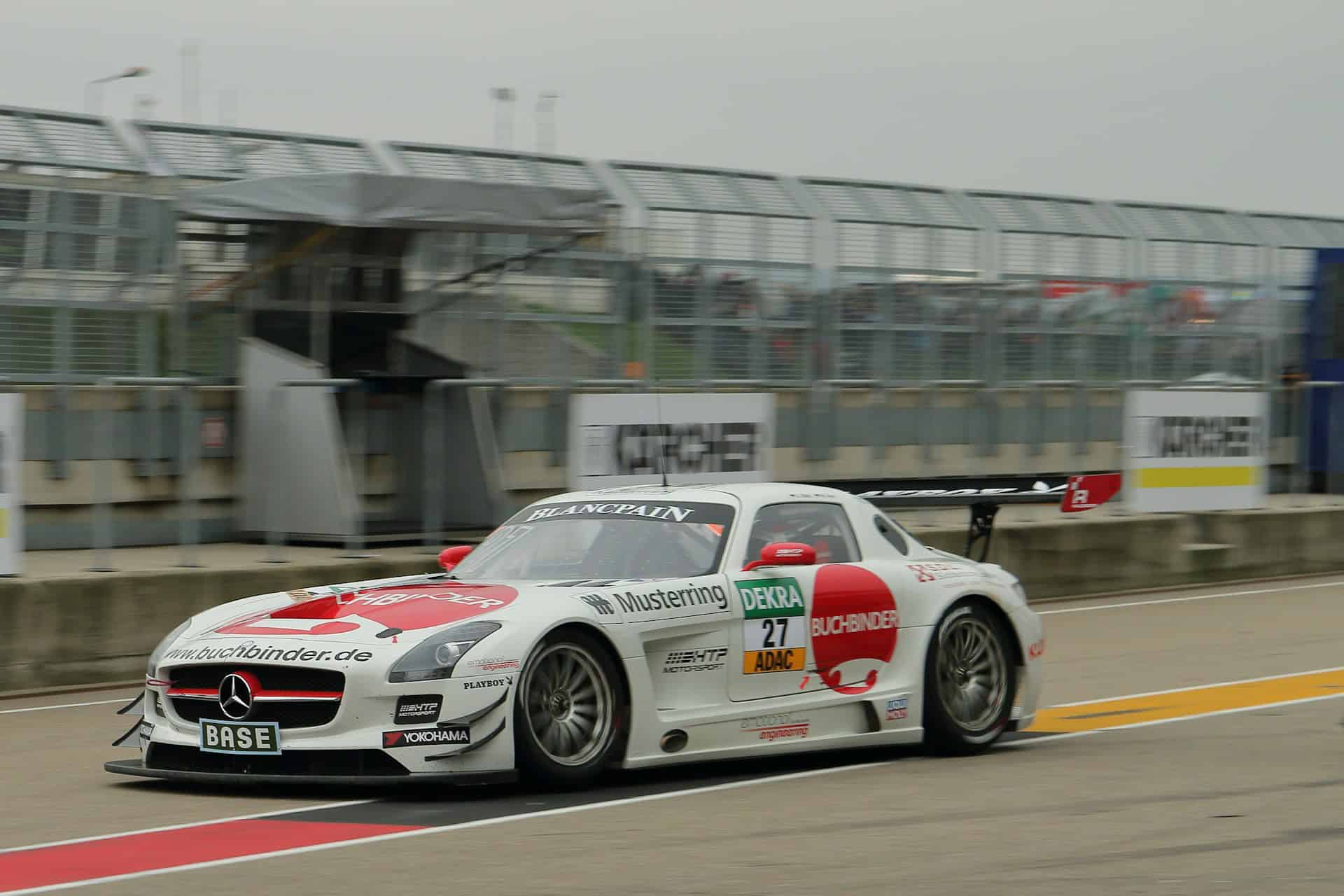
The country club of the twentieth century had a golf course at its heart. The country club of 2026 has a racetrack.
Across the world, a new category of private institution is flourishing: the members-only motorsport club. The Thermal Club outside Palm Springs sells villas overlooking its private circuit. The Concours Club in Miami pairs a 2.2-mile track with a paddock clubhouse that would embarrass most five-star hotels. Ascari in Spain, Mount Panorama-adjacent developments in Australia, and a wave of new circuits under construction in the Gulf are all built on the same insight: the ultra-wealthy own cars they have nowhere to drive.
It is the great unspoken irony of hypercar ownership. A machine engineered to reach 350 km/h spends its life in traffic, averaging speeds a hatchback could match. Public track days offer little relief — crowded sessions, mixed abilities, and the indignity of queuing. The private circuit solves all of it. Members book the track the way they book a tennis court. Professional instructors, many of them former racing drivers, are on staff. Storage, preparation and maintenance happen on site, so a member can fly in, suit up, and be on track within the hour.
Membership economics mirror the superyacht world. Initiation fees at the top clubs run from the high six figures into the millions, with annual dues on top. Some clubs bundle real estate — trackside villas where the garage is the largest room in the house. Others operate on a pure club model, with tiered memberships governing track access and guest privileges.
But here is what is changing in 2026: you no longer need to own the hypercar to live the track-day life. The rise of high-end rental and experience platforms means a member — or a member’s guest — can have a Ferrari SF90, a McLaren 750S or a Porsche GT3 RS delivered to the paddock for the weekend. For many younger members of the wealth class, this is not a compromise but a strategy. Why insure, store and depreciate a £400,000 machine for the eight days a year you can truly use it, when you can rent a different one each time?
This logic is transforming the relationship between luxury rental companies and the private circuit world. Track-prepared rental fleets, delivered with support crews, are becoming a standard offering for the discerning client. The experience is closer to a Formula 1 weekend than a car hire: arrive by helicopter, find the car warmed and waiting, debrief over lunch with a professional coach analysing your telemetry.
The social dimension may matter even more than the driving. Private circuits have become networking venues of unusual density — places where founders, fund managers and royalty meet without publicists or photographers. Deals are discussed between sessions. Friendships form in pit garages. As one club director put it, the track has become what the golf course was: a place where the powerful relax just enough to talk.
There is also a generational shift at work. The heirs to the great fortunes grew up on racing simulators and Formula 1’s streaming-era boom. For them, driving skill is a status marker in itself. Owning a hypercar impresses no one in their circle; driving one properly does. The private circuit is where that currency is earned.
The trajectory is clear. More clubs are under construction worldwide today than at any point in history, with the Middle East and India identified as the next frontier markets. For the global billionaire class, the message is simple: the garage was never the point. The track is. And in 2026, the smartest way through the gates is not always a purchase — sometimes it is a perfectly chosen rental, delivered to the paddock with the engine still warm