

There is a category of event in the global luxury economy that operates on a scale all of its own — bigger than fashion weeks, more logistically complex than Formula 1 weekends, and more lucrative for the mobility industry than almost anything in the calendar. It is the great Indian wedding.
A single shaadi in 2026 can now mobilise more vehicles, aircraft and vessels than a mid-sized state visit. Fleets of vintage Rolls-Royces collected from across continents for the baraat. Chartered jets ferrying guests between Delhi, Mumbai, Udaipur and Jaipur. Yachts repositioned to the Mediterranean or the Maldives for the destination leg. Helicopters arranged for the bride’s entrance. The mobility budget alone routinely runs into seven figures, and at the very top of the market, eight.
What has changed is not the spectacle — Indian weddings have always been theatrical — but the globalisation of it. The new generation of Indian wealth, much of it minted in technology and built across continents, treats the wedding as a multi-city, multi-week production. Sangeet in Mumbai, mehendi in Udaipur, the wedding itself at a Rajasthan palace, the reception abroad. Each leg demands its own mobility solution, all synchronised across hundreds of guests who themselves expect a standard of transport befitting their host.
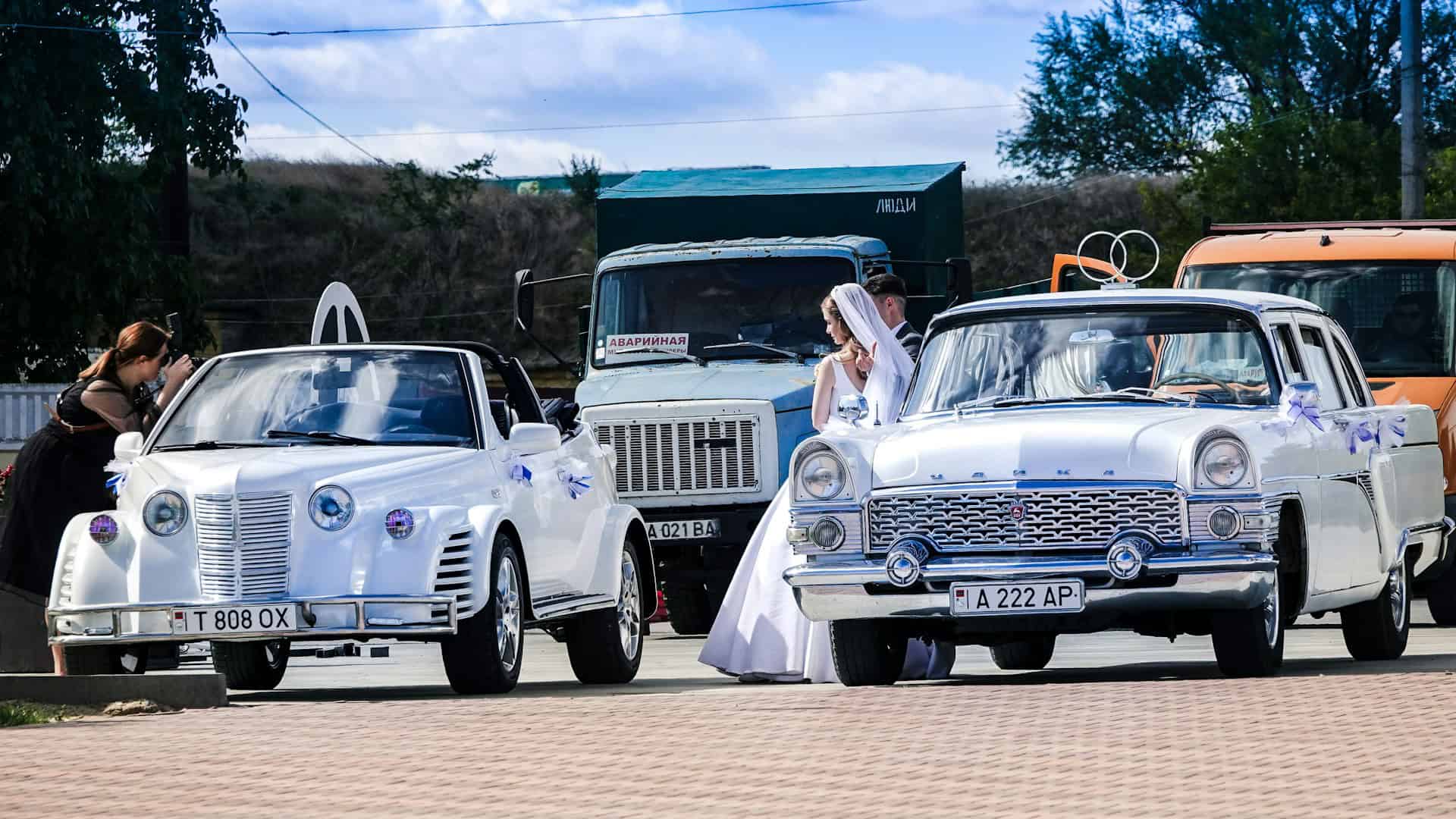
The fleet itself has become a language. The vintage Rolls-Royce Phantom for the groom signals heritage. The matched convoy of G-Wagens for the entourage signals power. The single Bugatti or Lamborghini, used for a precisely timed entrance, signals modernity. Increasingly, families work with specialist mobility partners months in advance to assemble cars that match colour palettes, sequence arrivals and survive the choreography of a baraat without a single late minute.
Private aviation has become inseparable from the format. With celebrity guest lists, international family, and the impossibility of holding a senior wedding party at any commercial schedule’s mercy, charter is no longer the upgrade. It is the baseline. Operators across Indian metros now build their winter calendars around wedding season, with peak weeks — late November through February — running effectively at capacity.
For the destination leg, yachts have emerged as the new statement. A chartered superyacht in Croatia or off the coast of Thailand turns the post-wedding celebration into something no five-star resort can match: a closed, private, mobile venue that is itself part of the entertainment.
The lesson for the global luxury mobility industry is clear. The Indian wedding is no longer a regional curiosity. It is one of the most demanding, most lucrative and most strategically important client engagements in the world — and the families who deliver them flawlessly are quietly running operations more complex than most corporate events.
The mandap may be ancient. Everything around it is now state of the art.