

Rent Luxury Cars, Jets and Yacht
Hype Luxury Blog
No Result
View All Result
  • Blog
  • News & Press
  • Videos
  • Write For Us
  • Login
  • Blog
  • News & Press
  • Videos
  • Write For Us
  • Login
Hype Luxury Blog
No Result
View All Result
Hype Luxury Blog
No Result
View All Result

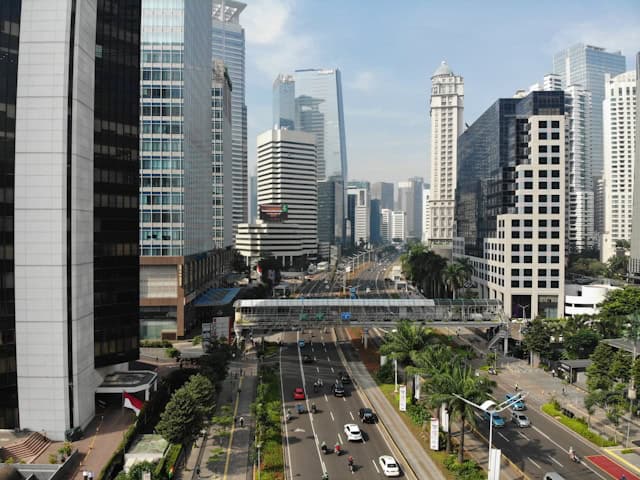
Jakarta’s Surprise: Why Indonesia’s Wealth Capital Is Asia’s Most Underestimated Luxury Market

Jakarta’s Surprise: Why Indonesia’s Wealth Capital Is Asia’s Most Underestimated Luxury Market
Previous Post

The Maldives Migration: Why Asia’s Wealthiest Now Treat the Indian Ocean as a Second Home

Next Post

Manila’s Untold Story: How Philippine Wealth Quietly Built One of Asia’s Most Personal Luxury Cultures

Indonesia’s wealth profile is one of Asia’s best-kept secrets, and Jakarta — its capital and economic centre — is one of the most underestimated UHNW markets on the continent.

The country’s economic story is significant. Indonesia is the largest economy in Southeast Asia, with a UHNW population that has grown steadily over the past two decades and a wealth distribution heavily concentrated in Jakarta. The capital hosts a substantial portion of the country’s billionaires, the headquarters of its great family-owned conglomerates, and the financial machinery that orchestrates wealth across the entire archipelago. And yet, in the global luxury industry’s mental map, Jakarta is routinely treated as peripheral — a positioning that increasingly does not reflect reality.

The wealth concentration is striking. Indonesia’s largest family businesses — the conglomerates that dominate sectors from natural resources to consumer goods to financial services — are headquartered in or substantially operated from Jakarta. The principals running these businesses have built UHNW lifestyles that operate at international scale, with mobility patterns connecting Jakarta to Singapore, Hong Kong, London, New York and the major leisure destinations of Asia and Europe.

The mobility infrastructure within Jakarta itself faces the city’s notorious traffic constraints, but the workarounds the wealthy employ are revealing. Helicopter usage for intra-city movement has matured significantly, with serious heliport infrastructure supporting commuting and business travel between major business districts and residential areas. The chauffeured car culture is deep and sophisticated, with security-conscious vehicle choices reflecting the practical realities of high-profile wealth in a large emerging-market city. Luxury car ownership patterns reflect serious connoisseurship, with the Indonesian collector community supporting a depth of fine automobiles that international observers consistently underestimate.

The private aviation footprint of Indonesia is substantial and growing. Halim, Jakarta’s general aviation airport, handles meaningful private jet traffic, with charter and ownership patterns reflecting both domestic inter-island travel needs and international corridors. The Indonesian archipelago’s geography genuinely requires private aviation for efficient travel — there is no reasonable substitute for moving between Jakarta and the resource regions, the secondary cities, and the leisure destinations within a country whose islands stretch across thousands of kilometres.

The yachting story is where Indonesia’s underestimation becomes most striking. The country sits at the centre of one of the world’s great cruising grounds. Bali, Komodo, Raja Ampat, the Spice Islands, and the broader Indonesian archipelago offer marine experiences that rival any cruising destination on earth — and for Indonesian UHNW clients, these are home waters. Domestic yachting culture has been growing steadily, and international yachting engagement by Indonesian principals has matured significantly, with both Mediterranean and Caribbean charter activity from Indonesian-origin clients now significant components of global charter markets.

The Bali corridor has emerged as a defining feature of Indonesian UHNW mobility. The short flight from Jakarta to Bali serves as a routine weekend escape, with the island functioning as Indonesia’s leisure capital and a hub for the country’s wealth class. The villa market on Bali, particularly in Seminyak, Canggu and the southern peninsula, has become genuinely UHNW-grade, with rental and ownership at levels that compete with international luxury markets. The yachting that operates out of Bali — particularly into the Komodo region and onward to Raja Ampat for the more adventurous — has produced some of the most extraordinary cruising experiences available anywhere.

The diaspora dimension matters. Indonesia’s Chinese-Indonesian commercial community has historically operated with strong international connections, and the family offices that serve this wealth often have presences across Singapore, Hong Kong and beyond. The mobility patterns reflect this multi-jurisdictional life, with international travel forming a substantial portion of the family calendar.

For the global luxury industry, the Indonesian opportunity is substantial and structurally underserved. The clients are sophisticated, demanding and increasingly globally engaged. The infrastructure within Indonesia has gaps that international operators can fill profitably. And the integration with the wider Southeast Asian wealth flows — particularly the Singapore corridor — creates natural opportunities for operators capable of serving multiple Asian markets coherently.

At Hype Luxury, Indonesia’s importance to our Asian portfolio has grown faster than most observers would predict. Jakarta clients increasingly engage with our service across geographies — chartering yachts in the Mediterranean, renting cars in Dubai, flying private to Tokyo, then returning home and expecting the same quality from their domestic mobility. Serving this client well requires both international depth and local sensitivity, and the operators who deliver both consistently are positioned for one of the most interesting Asian growth markets of the next decade.

The deeper story Jakarta tells is about the gap between perception and reality in Asian luxury. The cities that get the press attention — Tokyo, Singapore, Hong Kong, increasingly Mumbai — are important, but they are not the entire map. Indonesia represents one of the largest underestimated wealth markets in Asia, and the brands that build for it now will own relationships that compound for the next generation.

The archipelago’s quiet wealth has matured. The world should pay attention.

Tags: #archipelagocharter#balicharter#indonesialuxury#indonesianbillionaires#jakarta#jakartawealth#luxuryindonesia#southeastasialuxury#UHNWasiahypeluxury
The Singapore-Maldives Sweet Spot: Why Asia’s Most Sophisticated Wealth Hub Owns the Best Charter Corridor in the World

The Singapore-Maldives Sweet Spot: Why Asia’s Most Sophisticated Wealth Hub Owns the Best Charter Corridor in the World

June 29, 2026
Manila’s Untold Story: How Philippine Wealth Quietly Built One of Asia’s Most Personal Luxury Cultures

Manila’s Untold Story: How Philippine Wealth Quietly Built One of Asia’s Most Personal Luxury Cultures

June 29, 2026
Jakarta’s Surprise: Why Indonesia’s Wealth Capital Is Asia’s Most Underestimated Luxury Market

Jakarta’s Surprise: Why Indonesia’s Wealth Capital Is Asia’s Most Underestimated Luxury Market

June 29, 2026
The Maldives Migration: Why Asia’s Wealthiest Now Treat the Indian Ocean as a Second Home

The Maldives Migration: Why Asia’s Wealthiest Now Treat the Indian Ocean as a Second Home

June 29, 2026
The Greater Bay Area Effect: How China’s Tier-One Wealth Is Reshaping Asian Luxury

The Greater Bay Area Effect: How China’s Tier-One Wealth Is Reshaping Asian Luxury

June 29, 2026
Jakarta’s Surprise: Why Indonesia’s Wealth Capital Is Asia’s Most Underestimated Luxury Market
Previous Post

The Maldives Migration: Why Asia’s Wealthiest Now Treat the Indian Ocean as a Second Home

Next Post

Manila’s Untold Story: How Philippine Wealth Quietly Built One of Asia’s Most Personal Luxury Cultures

Indonesia’s wealth profile is one of Asia’s best-kept secrets, and Jakarta — its capital and economic centre — is one of the most underestimated UHNW markets on the continent.

The country’s economic story is significant. Indonesia is the largest economy in Southeast Asia, with a UHNW population that has grown steadily over the past two decades and a wealth distribution heavily concentrated in Jakarta. The capital hosts a substantial portion of the country’s billionaires, the headquarters of its great family-owned conglomerates, and the financial machinery that orchestrates wealth across the entire archipelago. And yet, in the global luxury industry’s mental map, Jakarta is routinely treated as peripheral — a positioning that increasingly does not reflect reality.

The wealth concentration is striking. Indonesia’s largest family businesses — the conglomerates that dominate sectors from natural resources to consumer goods to financial services — are headquartered in or substantially operated from Jakarta. The principals running these businesses have built UHNW lifestyles that operate at international scale, with mobility patterns connecting Jakarta to Singapore, Hong Kong, London, New York and the major leisure destinations of Asia and Europe.

The mobility infrastructure within Jakarta itself faces the city’s notorious traffic constraints, but the workarounds the wealthy employ are revealing. Helicopter usage for intra-city movement has matured significantly, with serious heliport infrastructure supporting commuting and business travel between major business districts and residential areas. The chauffeured car culture is deep and sophisticated, with security-conscious vehicle choices reflecting the practical realities of high-profile wealth in a large emerging-market city. Luxury car ownership patterns reflect serious connoisseurship, with the Indonesian collector community supporting a depth of fine automobiles that international observers consistently underestimate.

The private aviation footprint of Indonesia is substantial and growing. Halim, Jakarta’s general aviation airport, handles meaningful private jet traffic, with charter and ownership patterns reflecting both domestic inter-island travel needs and international corridors. The Indonesian archipelago’s geography genuinely requires private aviation for efficient travel — there is no reasonable substitute for moving between Jakarta and the resource regions, the secondary cities, and the leisure destinations within a country whose islands stretch across thousands of kilometres.

The yachting story is where Indonesia’s underestimation becomes most striking. The country sits at the centre of one of the world’s great cruising grounds. Bali, Komodo, Raja Ampat, the Spice Islands, and the broader Indonesian archipelago offer marine experiences that rival any cruising destination on earth — and for Indonesian UHNW clients, these are home waters. Domestic yachting culture has been growing steadily, and international yachting engagement by Indonesian principals has matured significantly, with both Mediterranean and Caribbean charter activity from Indonesian-origin clients now significant components of global charter markets.

The Bali corridor has emerged as a defining feature of Indonesian UHNW mobility. The short flight from Jakarta to Bali serves as a routine weekend escape, with the island functioning as Indonesia’s leisure capital and a hub for the country’s wealth class. The villa market on Bali, particularly in Seminyak, Canggu and the southern peninsula, has become genuinely UHNW-grade, with rental and ownership at levels that compete with international luxury markets. The yachting that operates out of Bali — particularly into the Komodo region and onward to Raja Ampat for the more adventurous — has produced some of the most extraordinary cruising experiences available anywhere.

The diaspora dimension matters. Indonesia’s Chinese-Indonesian commercial community has historically operated with strong international connections, and the family offices that serve this wealth often have presences across Singapore, Hong Kong and beyond. The mobility patterns reflect this multi-jurisdictional life, with international travel forming a substantial portion of the family calendar.

For the global luxury industry, the Indonesian opportunity is substantial and structurally underserved. The clients are sophisticated, demanding and increasingly globally engaged. The infrastructure within Indonesia has gaps that international operators can fill profitably. And the integration with the wider Southeast Asian wealth flows — particularly the Singapore corridor — creates natural opportunities for operators capable of serving multiple Asian markets coherently.

At Hype Luxury, Indonesia’s importance to our Asian portfolio has grown faster than most observers would predict. Jakarta clients increasingly engage with our service across geographies — chartering yachts in the Mediterranean, renting cars in Dubai, flying private to Tokyo, then returning home and expecting the same quality from their domestic mobility. Serving this client well requires both international depth and local sensitivity, and the operators who deliver both consistently are positioned for one of the most interesting Asian growth markets of the next decade.

The deeper story Jakarta tells is about the gap between perception and reality in Asian luxury. The cities that get the press attention — Tokyo, Singapore, Hong Kong, increasingly Mumbai — are important, but they are not the entire map. Indonesia represents one of the largest underestimated wealth markets in Asia, and the brands that build for it now will own relationships that compound for the next generation.

The archipelago’s quiet wealth has matured. The world should pay attention.

Tags: #archipelagocharter#balicharter#indonesialuxury#indonesianbillionaires#jakarta#jakartawealth#luxuryindonesia#southeastasialuxury#UHNWasiahypeluxury
The Singapore-Maldives Sweet Spot: Why Asia’s Most Sophisticated Wealth Hub Owns the Best Charter Corridor in the World

The Singapore-Maldives Sweet Spot: Why Asia’s Most Sophisticated Wealth Hub Owns the Best Charter Corridor in the World

June 29, 2026
Manila’s Untold Story: How Philippine Wealth Quietly Built One of Asia’s Most Personal Luxury Cultures

Manila’s Untold Story: How Philippine Wealth Quietly Built One of Asia’s Most Personal Luxury Cultures

June 29, 2026
Jakarta’s Surprise: Why Indonesia’s Wealth Capital Is Asia’s Most Underestimated Luxury Market

Jakarta’s Surprise: Why Indonesia’s Wealth Capital Is Asia’s Most Underestimated Luxury Market

June 29, 2026
The Maldives Migration: Why Asia’s Wealthiest Now Treat the Indian Ocean as a Second Home

The Maldives Migration: Why Asia’s Wealthiest Now Treat the Indian Ocean as a Second Home

June 29, 2026
The Greater Bay Area Effect: How China’s Tier-One Wealth Is Reshaping Asian Luxury

The Greater Bay Area Effect: How China’s Tier-One Wealth Is Reshaping Asian Luxury

June 29, 2026


Hype Luxury Logo


Sign up to our newsletter to stay updated

johnsmith@example.com

Company

  • About
  • News & Press
  • Blog
  • T & C
  • Privacy

Contact

  • Contact
  • Partnership
  • Help

Social

  • Instagram
  • Youtube
  • LinkedIn
  • Facebook
  • Twitter
No Result
View All Result
  • Home
  • News & Press
  • Videos
  • Write For Us
  • Login
  • RENT LUXURY CARS
  • Login
  • Sign Up