

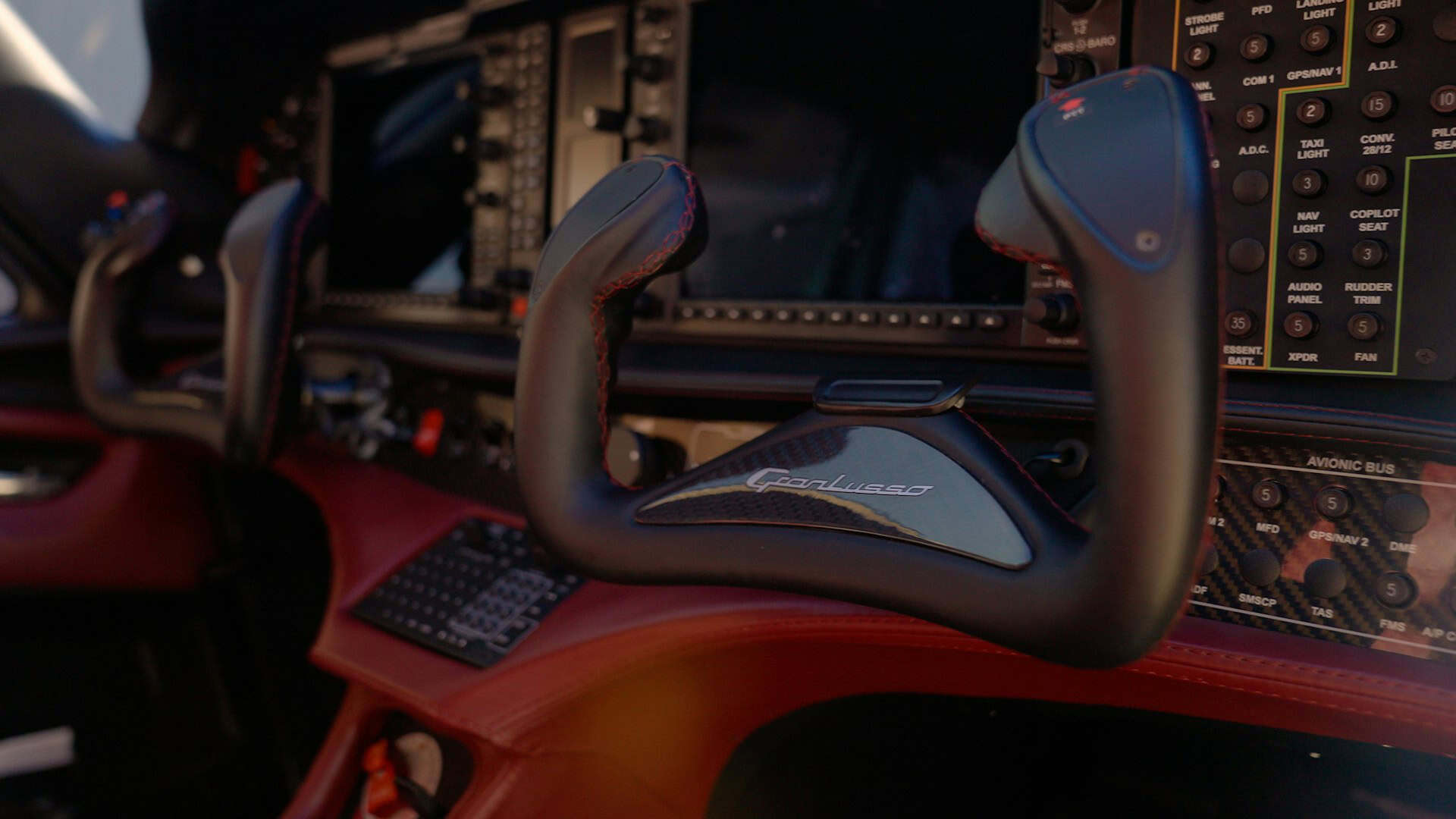
Modern ultra-long-range platforms possess fly-by-wire systems and autonomous flight management capabilities that exceed commercial airline automation. A Gulfstream G700 or Bombardier Global 7500 can execute approach, landing, and go-around sequences with minimal human intervention. The AI systems handling real-time weather routing, fuel optimization, and contingency planning operate at computational speeds no human crew can match.
Yet all charter and fractional programs legally require two pilots for Part 135 operations. No UHNW principal can opt for single-pilot, autonomous flight, regardless of aircraft capability. The regulatory floor remains crew-intensive, even as the technology ceiling removes the need.
This mismatch creates a hidden cost structure: principals are paying for two pilots (and all associated scheduling, fatigue management, training, and compliance overhead) for flights that the aircraft could execute with one or zero pilots. Fractional shares price this into hourly rates, but the principal rarely sees it itemized. A typical transatlantic fractional flight carries approximately $8,000–$12,000 in crew costs alone. Regulatory mandates drive this, not operational necessity.
Forward-thinking UHNW operators are starting to ask uncomfortable questions: Why am I paying for pilot redundancy the aircraft doesn’t need? If the G700’s systems are certified to the same safety standard as a commercial airliner, why can’t I operate with one pilot? Why does a 13-hour transatlantic flight require crew rest swaps and deadheading costs?
The regulatory answer is institutional inertia. The technological answer is: the aircraft is ready; the regulators aren’t. This will change. Likely within 5–10 years, as litigation patterns and accident data favor single-pilot operations for defined routes (transatlantic, transpacific, US domestic under 500 nm). Early movers who position themselves as “regulatory-compliant automation partners” will win UHNW contracts. Those still selling “two-pilot traditional service” will be selling legacy infrastructure to a declining market.