

Rent Luxury Cars, Jets and Yacht
Hype Luxury Blog
No Result
View All Result
  • Blog
  • News & Press
  • Videos
  • Write For Us
  • Login
  • Blog
  • News & Press
  • Videos
  • Write For Us
  • Login
Hype Luxury Blog
No Result
View All Result
Hype Luxury Blog
No Result
View All Result

India’s Ultra-High-Net-Worth Explosion Meets Legacy Regulatory Barriers: How New Billionaires Navigate Fractured Aviation Markets

India’s Ultra-High-Net-Worth Explosion Meets Legacy Regulatory Barriers: How New Billionaires Navigate Fractured Aviation Markets
Previous Post

Autonomous Systems and the Automation Ceiling: Why UHNW Trust Technology More Than Regulation Allows

Next Post

Why the UAE Has Become the Operational Hub for UHNW Aviation: Regulatory Philosophy as Competitive Advantage

India’s UHNW population has crossed 100,000 individuals with $30M+ in liquid net worth. Bullion wealth, tech entrepreneurs, pharmaceutical founders, and infrastructure magnates now rival European and Middle Eastern peers in absolute purchasing power. Yet aviation infrastructure—private terminals, charter operators, crew availability—lags three to five years behind demand.

The regulatory fragmentation is acute. India operates a byzantine multi-agency structure: DGCA (Directorate General of Civil Aviation), AERSB (Aeronautical Services Bureau), state aviation authorities, and military airspace controllers all retain decision rights over private flight permissions. A single international charter might require approvals from four agencies with different timelines, definitions, and compliance standards. Processing time for flight approvals routinely stretches from days to weeks.

This creates opportunity for UHNW principals: those with existing relationships, in-house aviation advisory, and long-standing ties to operators can access aircraft and schedules unavailable to newcomers. A Mumbai billionaire with a legacy charter account can depart within hours. A newly wealthy IT founder without aviation history might wait weeks for regulatory clearance.

Fractional programs are emerging as the hedge: buying a share in a multi-aircraft entity based in Dubai or Singapore but operating into India provides regulatory clarity (foreign entity, known compliance history) with scheduling flexibility. This is why India-to-GCC routing represents a structural arbitrage: principals get international-standard aircraft and crew, operated under UAE regulatory oversight, with Indian accessibility. No waiting for DGCA approvals. No agency fragmentation.

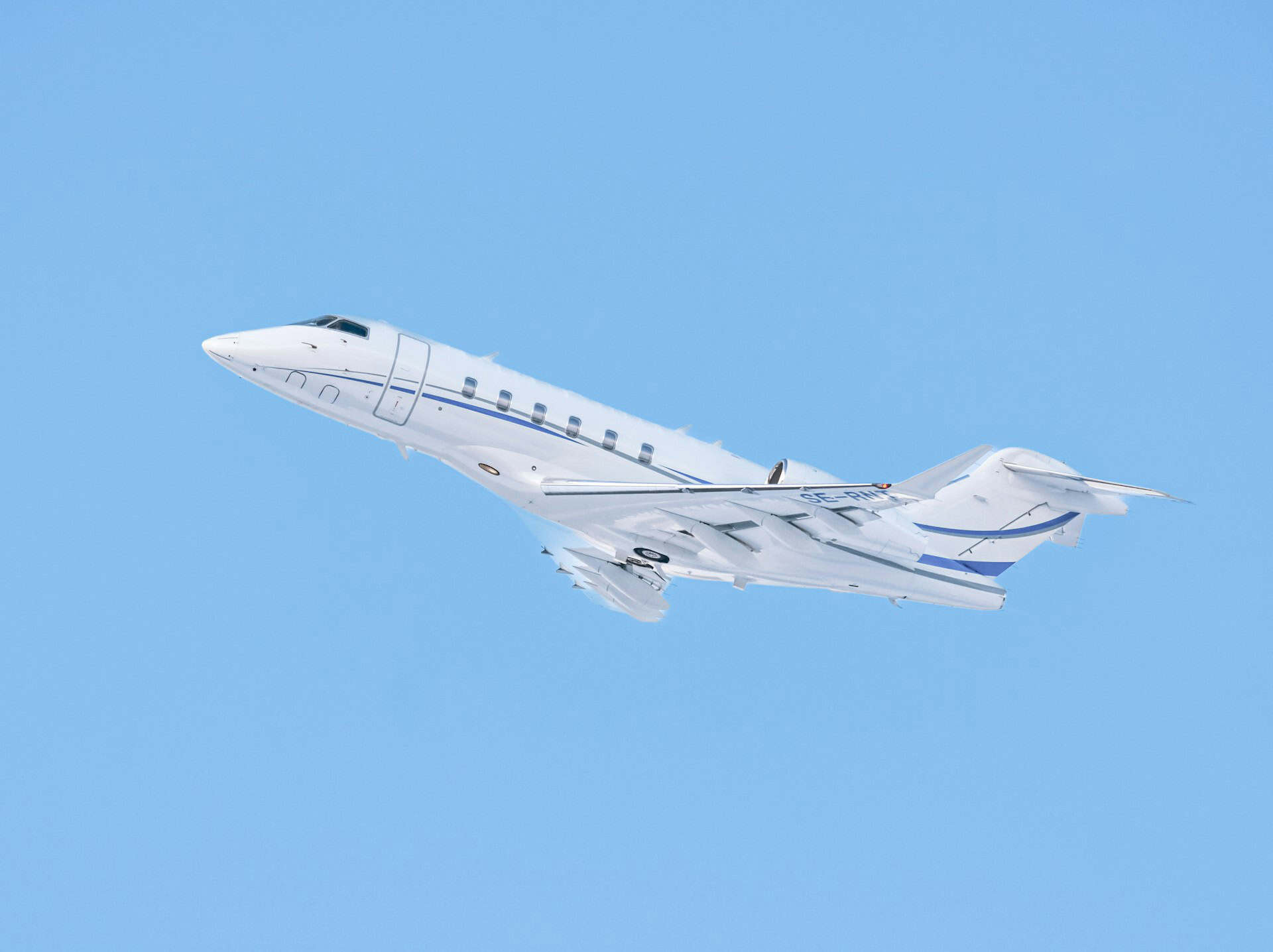
The wealth influx is also creating a signaling problem: UHNW status in India’s elite circles is increasingly measured by aviation accessibility. Ownership of a mid-range jet (a Learjet 75 or Citation X) signals arrival wealth but is operationally impractical for subcontinental distances. Ultra-long-range fractional access signals institutional players—family offices, established industrial groups, old money. The newer cohort is gravitating toward charter and jet cards as a positioning mechanism: it offers immediate access without the regulatory overhead of domestic ownership.


Tags: #AerospaceRegulation#AviationInfrastructure#BusinessAviation#EmergingMarkets#FractionalOwnership#InvestmentFlow#JetCharter#LuxuryMobility#PrivateAviation#UHNWWealth#WealthManagementindia
The Invisible Decision Matrix: How UHNW Aircraft Selection Priorities Diverge Radically Across Global Markets

The Invisible Decision Matrix: How UHNW Aircraft Selection Priorities Diverge Radically Across Global Markets

September 1, 2026
Japan’s Hidden UHNW Mobility Ceiling: How Regulatory Conservatism and Cultural Norms Constrain Private Aviation Despite Extraordinary Wealth

Japan’s Hidden UHNW Mobility Ceiling: How Regulatory Conservatism and Cultural Norms Constrain Private Aviation Despite Extraordinary Wealth

September 1, 2026

Singapore’s Aviation Ambition: How Southeast Asia’s Wealth Center Is Engineering Private Aviation Infrastructure to Rival Middle Eastern Hubs

September 1, 2026

Post-Brexit Aviation: How UK Regulatory Autonomy Is Reshaping London as a Global UHNW Aviation Hub

September 1, 2026
American Exceptionalism in Private Aviation: How U.S. Security Standards Embed Operational Costs That UHNW Operators Accept

American Exceptionalism in Private Aviation: How U.S. Security Standards Embed Operational Costs That UHNW Operators Accept

September 1, 2026
India’s Ultra-High-Net-Worth Explosion Meets Legacy Regulatory Barriers: How New Billionaires Navigate Fractured Aviation Markets
Previous Post

Autonomous Systems and the Automation Ceiling: Why UHNW Trust Technology More Than Regulation Allows

Next Post

Why the UAE Has Become the Operational Hub for UHNW Aviation: Regulatory Philosophy as Competitive Advantage

India’s UHNW population has crossed 100,000 individuals with $30M+ in liquid net worth. Bullion wealth, tech entrepreneurs, pharmaceutical founders, and infrastructure magnates now rival European and Middle Eastern peers in absolute purchasing power. Yet aviation infrastructure—private terminals, charter operators, crew availability—lags three to five years behind demand.

The regulatory fragmentation is acute. India operates a byzantine multi-agency structure: DGCA (Directorate General of Civil Aviation), AERSB (Aeronautical Services Bureau), state aviation authorities, and military airspace controllers all retain decision rights over private flight permissions. A single international charter might require approvals from four agencies with different timelines, definitions, and compliance standards. Processing time for flight approvals routinely stretches from days to weeks.

This creates opportunity for UHNW principals: those with existing relationships, in-house aviation advisory, and long-standing ties to operators can access aircraft and schedules unavailable to newcomers. A Mumbai billionaire with a legacy charter account can depart within hours. A newly wealthy IT founder without aviation history might wait weeks for regulatory clearance.

Fractional programs are emerging as the hedge: buying a share in a multi-aircraft entity based in Dubai or Singapore but operating into India provides regulatory clarity (foreign entity, known compliance history) with scheduling flexibility. This is why India-to-GCC routing represents a structural arbitrage: principals get international-standard aircraft and crew, operated under UAE regulatory oversight, with Indian accessibility. No waiting for DGCA approvals. No agency fragmentation.

The wealth influx is also creating a signaling problem: UHNW status in India’s elite circles is increasingly measured by aviation accessibility. Ownership of a mid-range jet (a Learjet 75 or Citation X) signals arrival wealth but is operationally impractical for subcontinental distances. Ultra-long-range fractional access signals institutional players—family offices, established industrial groups, old money. The newer cohort is gravitating toward charter and jet cards as a positioning mechanism: it offers immediate access without the regulatory overhead of domestic ownership.

Tags: #AerospaceRegulation#AviationInfrastructure#BusinessAviation#EmergingMarkets#FractionalOwnership#InvestmentFlow#JetCharter#LuxuryMobility#PrivateAviation#UHNWWealth#WealthManagementindia
The Invisible Decision Matrix: How UHNW Aircraft Selection Priorities Diverge Radically Across Global Markets

The Invisible Decision Matrix: How UHNW Aircraft Selection Priorities Diverge Radically Across Global Markets

September 1, 2026
Japan’s Hidden UHNW Mobility Ceiling: How Regulatory Conservatism and Cultural Norms Constrain Private Aviation Despite Extraordinary Wealth

Japan’s Hidden UHNW Mobility Ceiling: How Regulatory Conservatism and Cultural Norms Constrain Private Aviation Despite Extraordinary Wealth

September 1, 2026

Singapore’s Aviation Ambition: How Southeast Asia’s Wealth Center Is Engineering Private Aviation Infrastructure to Rival Middle Eastern Hubs

September 1, 2026

Post-Brexit Aviation: How UK Regulatory Autonomy Is Reshaping London as a Global UHNW Aviation Hub

September 1, 2026
American Exceptionalism in Private Aviation: How U.S. Security Standards Embed Operational Costs That UHNW Operators Accept

American Exceptionalism in Private Aviation: How U.S. Security Standards Embed Operational Costs That UHNW Operators Accept

September 1, 2026


Hype Luxury Logo


Sign up to our newsletter to stay updated

johnsmith@example.com

Company

  • About
  • News & Press
  • Blog
  • T & C
  • Privacy

Contact

  • Contact
  • Partnership
  • Help

Social

  • Instagram
  • Youtube
  • LinkedIn
  • Facebook
  • Twitter
No Result
View All Result
  • Home
  • News & Press
  • Videos
  • Write For Us
  • Login
  • RENT LUXURY CARS
  • Login
  • Sign Up