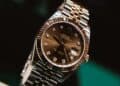


Beyond Returns: The Logic of the Trophy Portfolio
For principals operating at the ultra-high-net-worth level, asset acquisition serves purposes that extend beyond financial return. A carefully constructed portfolio of trophy assets—prime real estate, museum-quality art, a superyacht, a private jet, a vintage car collection—simultaneously functions as a store of wealth, a vehicle of identity, a platform for social capital, and in some cases a hedge against the performance volatility of liquid financial markets. Understanding how to construct, finance, and manage such a portfolio is a discipline in its own right.
Real Estate: The Anchor of the Trophy Portfolio
Prime residential real estate across gateway cities—London, New York, Hong Kong, Geneva, Dubai, Singapore—forms the traditional core of UHNW trophy acquisition. Properties in these markets have historically demonstrated resilience during financial downturns and strong long-run capital appreciation, while also serving as primary or secondary residences and hospitality assets for networks that include clients, political figures, and family.
Acquisition strategy at this level goes beyond selecting a postcode. The best principals work with buying agents and private brokers to access off-market inventory—properties not listed publicly that represent either motivated sellers, estate transactions, or development projects requiring bespoke structuring. Leverage is used selectively; many UHNW buyers acquire prime real estate unencumbered for privacy and speed-of-execution reasons.
Art and Collectibles: Aesthetic Capital That Appreciates
Art acquisition at the highest level is undertaken with curatorial intent and financial discipline simultaneously. Principals building significant collections typically engage an art advisor who understands both the aesthetic trajectory of an emerging or established artist and the market dynamics that drive secondary market pricing. Provenance, condition reports, and exhibition history materially affect value; due diligence is mandatory before any significant acquisition.
Blue-chip art—works by artists with established auction records and institutional exhibition histories—offers liquidity through major auction houses and private treaty sales. Less liquid but potentially higher-returning are acquisitions of works by emerging artists whose primary market prices have not yet reflected their institutional recognition. A balanced collection typically includes both.
Aviation and Marine: Operational Assets with Strategic Utility
Private jet and superyacht acquisition decisions are complex because these assets are both operational infrastructure—they directly enable the principal’s lifestyle and professional effectiveness—and balance sheet items with significant operating cost implications. Acquisition decisions must account for the total cost of ownership: crew, maintenance, insurance, fuel, hangarage, and in the case of yachts, port fees and refit cycles.
At the UHNW level, a flagship asset such as a large-cabin jet or a 50m-plus yacht is often complemented by a charter or fractional arrangement for secondary missions, reducing idle time on the primary asset while maintaining operational flexibility. Asset management companies specialising in aviation and marine can structure ownership to offset operating costs through charter income.
Financing and Structuring Trophy Acquisitions
Many trophy asset acquisitions are financed using art or real estate lending—collateral-backed facilities offered by private banks and specialist lenders against the value of existing assets. This preserves liquidity while enabling deployment into new acquisitions. Acquisition vehicles—SPVs, offshore holding structures—are used to manage liability, tax exposure, and estate planning considerations simultaneously.
Hype Luxury provides bespoke travel and concierge services for UHNW principals. Enquire at hype.luxury.