

Rent Luxury Cars, Jets and Yacht
Hype Luxury Blog
No Result
View All Result
  • Blog
  • News & Press
  • Videos
  • Write For Us
  • Login
  • Blog
  • News & Press
  • Videos
  • Write For Us
  • Login
Hype Luxury Blog
No Result
View All Result
Hype Luxury Blog
No Result
View All Result

Autonomous Systems and the Automation Ceiling: Why UHNW Trust Technology More Than Regulation Allows

Autonomous Systems and the Automation Ceiling: Why UHNW Trust Technology More Than Regulation Allows
Previous Post

Operational Transparency as Privacy Protection: How UHNW Operators Are Reversing the Data Asymmetry

Next Post

India’s Ultra-High-Net-Worth Explosion Meets Legacy Regulatory Barriers: How New Billionaires Navigate Fractured Aviation Markets

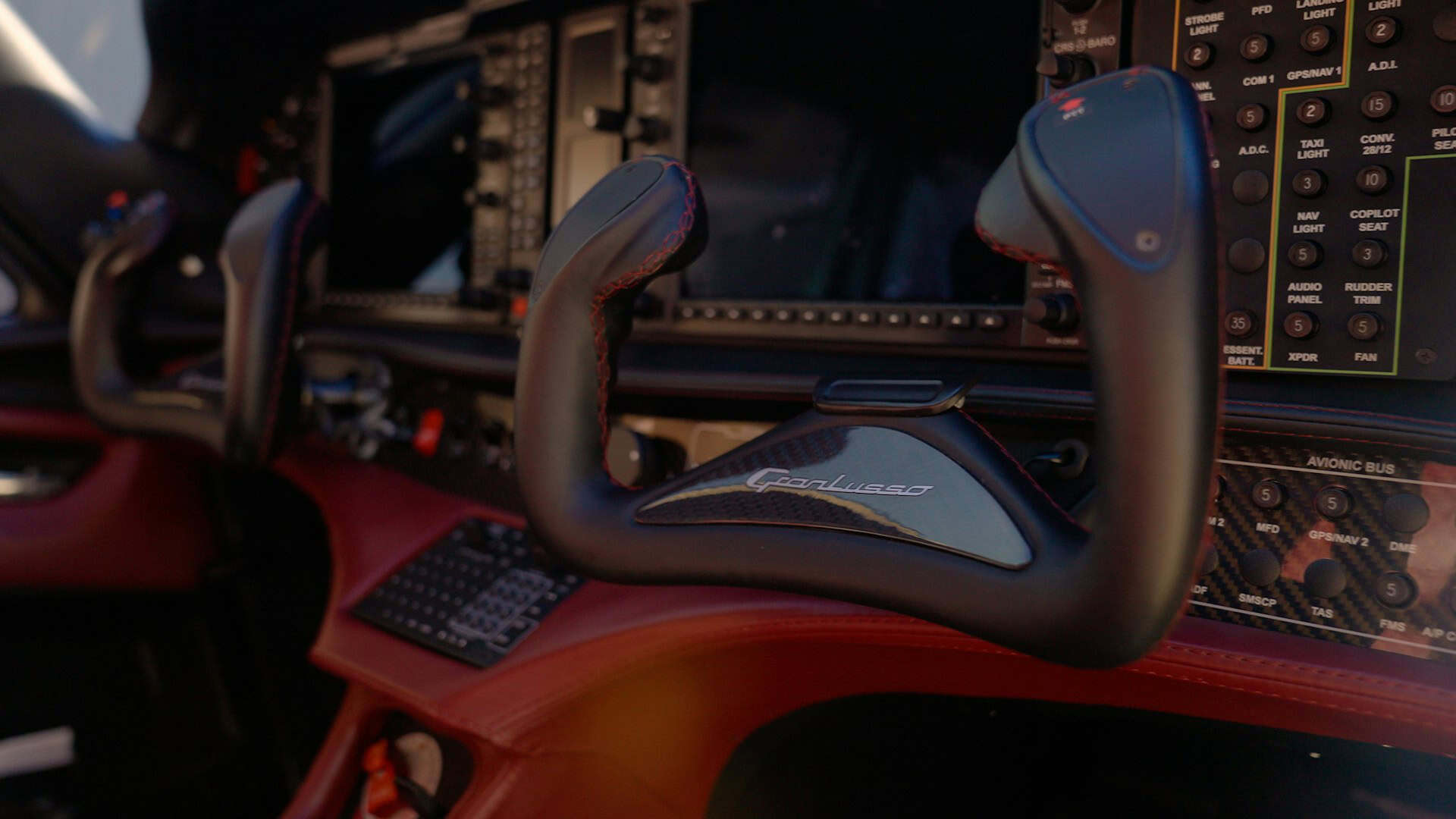
Modern ultra-long-range platforms possess fly-by-wire systems and autonomous flight management capabilities that exceed commercial airline automation. A Gulfstream G700 or Bombardier Global 7500 can execute approach, landing, and go-around sequences with minimal human intervention. The AI systems handling real-time weather routing, fuel optimization, and contingency planning operate at computational speeds no human crew can match.

Yet all charter and fractional programs legally require two pilots for Part 135 operations. No UHNW principal can opt for single-pilot, autonomous flight, regardless of aircraft capability. The regulatory floor remains crew-intensive, even as the technology ceiling removes the need.

This mismatch creates a hidden cost structure: principals are paying for two pilots (and all associated scheduling, fatigue management, training, and compliance overhead) for flights that the aircraft could execute with one or zero pilots. Fractional shares price this into hourly rates, but the principal rarely sees it itemized. A typical transatlantic fractional flight carries approximately $8,000–$12,000 in crew costs alone. Regulatory mandates drive this, not operational necessity.

Forward-thinking UHNW operators are starting to ask uncomfortable questions: Why am I paying for pilot redundancy the aircraft doesn’t need? If the G700’s systems are certified to the same safety standard as a commercial airliner, why can’t I operate with one pilot? Why does a 13-hour transatlantic flight require crew rest swaps and deadheading costs?

The regulatory answer is institutional inertia. The technological answer is: the aircraft is ready; the regulators aren’t. This will change. Likely within 5–10 years, as litigation patterns and accident data favor single-pilot operations for defined routes (transatlantic, transpacific, US domestic under 500 nm). Early movers who position themselves as “regulatory-compliant automation partners” will win UHNW contracts. Those still selling “two-pilot traditional service” will be selling legacy infrastructure to a declining market.


Tags: #AircraftTechnology#AirSafety#Automation#ExecutiveTravel#FlyByWire#FractionalOwnership#Innovation#JetCharter#OperationalCost#PrivateAviation#Regulation#UHNWExpectation
Mountain alpine ski resort luxury chalet winter — Hype Luxury

Ultra-Luxury Ski Resorts: Where UHNW Principals Choose to Spend the Winter Season

October 11, 2026
Superyacht deck Mediterranean luxury — Hype Luxury

Yacht Racing Regattas: How UHNW Principals Participate in the World’s Most Prestigious Sailing Events

October 11, 2026
Fine dining luxury restaurant gourmet — Hype Luxury

Polo and Equestrian Sport for UHNW Principals: Ownership, Access, and the Social Architecture

October 11, 2026
Formula 1 luxury motorsport racing — Hype Luxury

VIP Formula 1 Access: How UHNW Principals Experience the Paddock Beyond Hospitality Suites

October 11, 2026
Golf course green luxury country club — Hype Luxury

Private Golf Club Memberships: How UHNW Principals Select and Access the World’s Most Exclusive Courses

October 11, 2026
Autonomous Systems and the Automation Ceiling: Why UHNW Trust Technology More Than Regulation Allows
Previous Post

Operational Transparency as Privacy Protection: How UHNW Operators Are Reversing the Data Asymmetry

Next Post

India’s Ultra-High-Net-Worth Explosion Meets Legacy Regulatory Barriers: How New Billionaires Navigate Fractured Aviation Markets

Modern ultra-long-range platforms possess fly-by-wire systems and autonomous flight management capabilities that exceed commercial airline automation. A Gulfstream G700 or Bombardier Global 7500 can execute approach, landing, and go-around sequences with minimal human intervention. The AI systems handling real-time weather routing, fuel optimization, and contingency planning operate at computational speeds no human crew can match.

Yet all charter and fractional programs legally require two pilots for Part 135 operations. No UHNW principal can opt for single-pilot, autonomous flight, regardless of aircraft capability. The regulatory floor remains crew-intensive, even as the technology ceiling removes the need.

This mismatch creates a hidden cost structure: principals are paying for two pilots (and all associated scheduling, fatigue management, training, and compliance overhead) for flights that the aircraft could execute with one or zero pilots. Fractional shares price this into hourly rates, but the principal rarely sees it itemized. A typical transatlantic fractional flight carries approximately $8,000–$12,000 in crew costs alone. Regulatory mandates drive this, not operational necessity.

Forward-thinking UHNW operators are starting to ask uncomfortable questions: Why am I paying for pilot redundancy the aircraft doesn’t need? If the G700’s systems are certified to the same safety standard as a commercial airliner, why can’t I operate with one pilot? Why does a 13-hour transatlantic flight require crew rest swaps and deadheading costs?

The regulatory answer is institutional inertia. The technological answer is: the aircraft is ready; the regulators aren’t. This will change. Likely within 5–10 years, as litigation patterns and accident data favor single-pilot operations for defined routes (transatlantic, transpacific, US domestic under 500 nm). Early movers who position themselves as “regulatory-compliant automation partners” will win UHNW contracts. Those still selling “two-pilot traditional service” will be selling legacy infrastructure to a declining market.

Tags: #AircraftTechnology#AirSafety#Automation#ExecutiveTravel#FlyByWire#FractionalOwnership#Innovation#JetCharter#OperationalCost#PrivateAviation#Regulation#UHNWExpectation
Mountain alpine ski resort luxury chalet winter — Hype Luxury

Ultra-Luxury Ski Resorts: Where UHNW Principals Choose to Spend the Winter Season

October 11, 2026
Superyacht deck Mediterranean luxury — Hype Luxury

Yacht Racing Regattas: How UHNW Principals Participate in the World’s Most Prestigious Sailing Events

October 11, 2026
Fine dining luxury restaurant gourmet — Hype Luxury

Polo and Equestrian Sport for UHNW Principals: Ownership, Access, and the Social Architecture

October 11, 2026
Formula 1 luxury motorsport racing — Hype Luxury

VIP Formula 1 Access: How UHNW Principals Experience the Paddock Beyond Hospitality Suites

October 11, 2026
Golf course green luxury country club — Hype Luxury

Private Golf Club Memberships: How UHNW Principals Select and Access the World’s Most Exclusive Courses

October 11, 2026


Hype Luxury Logo


Sign up to our newsletter to stay updated

johnsmith@example.com

Company

  • About
  • News & Press
  • Blog
  • T & C
  • Privacy

Contact

  • Contact
  • Partnership
  • Help

Social

  • Instagram
  • Youtube
  • LinkedIn
  • Facebook
  • Twitter
No Result
View All Result
  • Home
  • News & Press
  • Videos
  • Write For Us
  • Login
  • RENT LUXURY CARS
  • Login
  • Sign Up