

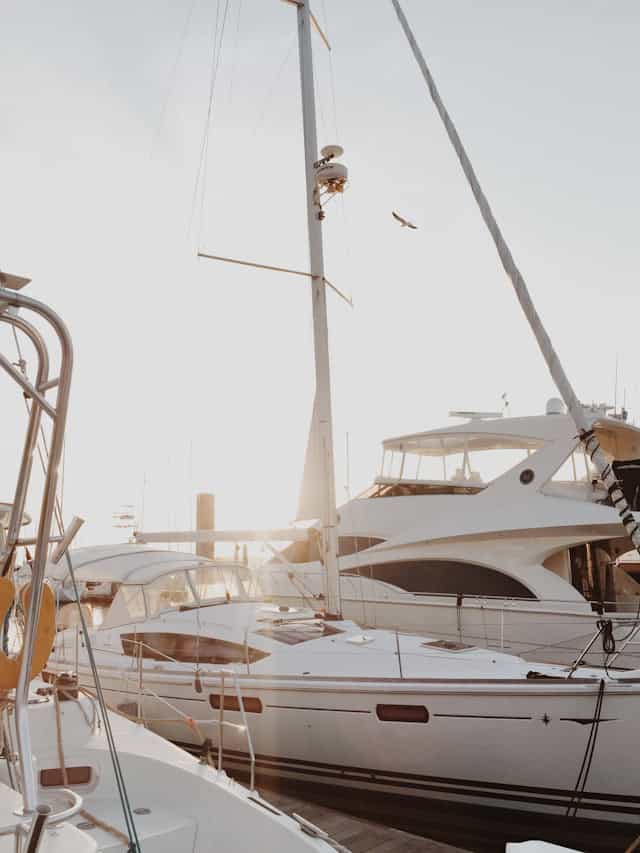
There is a problem at the heart of Mediterranean yachting in 2026 that almost no one in the luxury press is discussing, and yet it is reshaping the economics of yacht ownership at the very top of the market. There are not enough berths.
The story is one of asymmetric growth. Demand for Mediterranean superyacht berthing has expanded dramatically over the past decade, driven by the explosion in the global yacht fleet, the rising average size of new builds, and the persistent magnetism of the Mediterranean as the most desirable cruising ground on earth. Supply, however, has barely moved. The historic harbours of Monaco, Antibes, Saint-Tropez, Porto Cervo, Capri and Mykonos cannot physically expand. New marina development across the Mediterranean has been incremental at best, hampered by environmental regulation, planning constraints and the geography of coastlines already substantially built.
The result is the most acute capacity crisis the Mediterranean yachting industry has ever faced.
The numbers tell the story. Peak-season berthing in the most coveted harbours now requires bookings made eighteen to twenty-four months ahead. Prices for premium berths during high-demand weeks — Cannes Festival, Monaco GP, the Saint-Tropez summer — have escalated to levels that would shock yacht owners from a decade ago. Quayside positions in Monaco for race week now trade at sums that, on a per-night basis, exceed the most expensive hotel suites in the world.
For yacht owners, this has produced a new operational discipline. The successful Mediterranean season is now planned a full year in advance, with berths secured before vessels are repositioned and itineraries built around berthing availability rather than the reverse. Yachts moving on speculative itineraries — turning up at popular harbours without confirmed berths — face an increasingly real risk of anchoring offshore, in conditions that range from acceptable to deeply uncomfortable, while their guests express opinions.
Charter clients feel the squeeze in a different form. The most desirable itineraries — the ones that promise a different glamorous harbour each evening — are now constrained by what berths the charter broker can actually secure. Brokers report that their conversations with clients increasingly involve berth negotiation rather than yacht selection. The vessel matters. The where-it-can-park matters more.
There are practical responses emerging. Some owners are repositioning to less constrained cruising grounds — Croatia, Montenegro, Albania, Turkey, the Greek islands beyond the famous few — where berth availability is more flexible and the cruising environment less crowded. Others are investing in tender programmes that allow them to anchor in bays adjacent to famous harbours, accessing the social scene by tender while keeping the yacht itself offshore. A small but growing segment of owners is exploring private moorings — pre-arranged seasonal positions in less-trafficked waters that guarantee location without competing for marina capacity.
The market response from the marinas themselves has been an aggressive premiumisation strategy. The top tier of Mediterranean harbours have invested heavily in member-style services for berthing customers, providing concierge support, guaranteed availability for repeat clients, and pricing structures that lock in long-term relationships. For owners with the volume and patience to engage these programmes, predictable access can still be secured. For everyone else, the market increasingly resembles an auction.
The strategic implications for the broader industry are significant. The Mediterranean’s berth scarcity is one of the structural forces driving global yacht migration to alternative cruising grounds in winter — the Caribbean, the Maldives, the South Pacific, the Gulf. It is also driving interest in smaller, shallower-draft vessels that can operate from anchorages where the giants cannot reach.
At Hype Luxury, the implication is direct. Our charter clients increasingly value our ability to secure berths and anchorages, not merely vessels. The yacht itself has become commoditised at the top of the market. The location has not. The brokers and partners who navigate the berth crisis effectively are the ones our clients return to.
The Mediterranean will always be the centre of summer yachting. But its centre is becoming smaller — and the value of knowing where to park has never been higher.